European Folklore

Will-o’-wisp

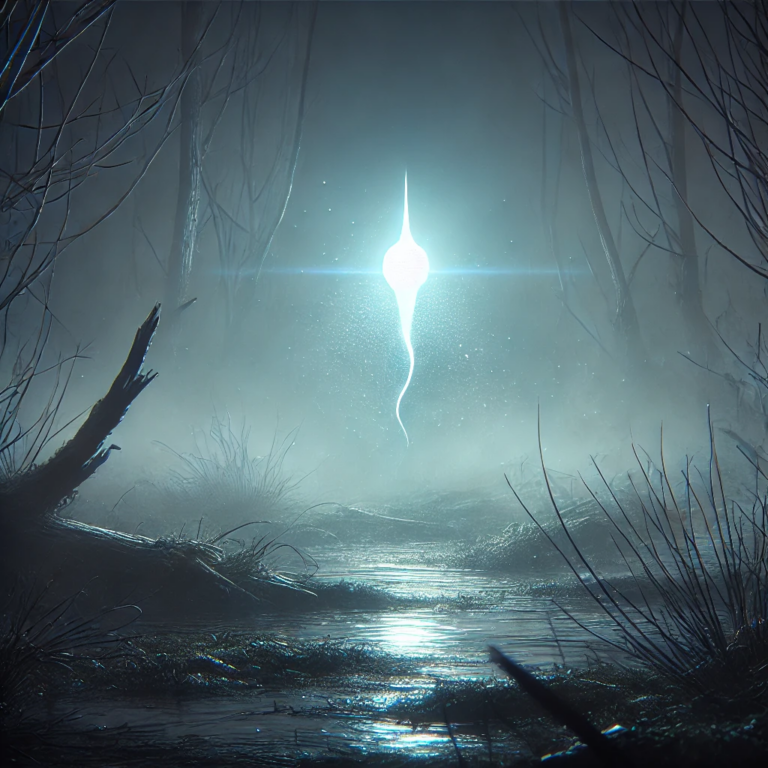
The Will-o’-the-wisp, also known by various names such as ignis fatuus, Jack-o’-lantern, Friar’s Lantern, Hinkypunk, Hobby Lantern, Irrbloss (Swedish), and Aarnivalkea (Finnish), is a folkloric phenomenon observed in many cultures around the world. This mysterious light appears at night, often over marshes, swamps, or other secluded areas, and is said to lead travelers astray. The Will-o’-the-wisp has long been associated with ghostly or supernatural origins and is often interpreted as a trickster spirit or malevolent force.
Read more >

Questing Beast

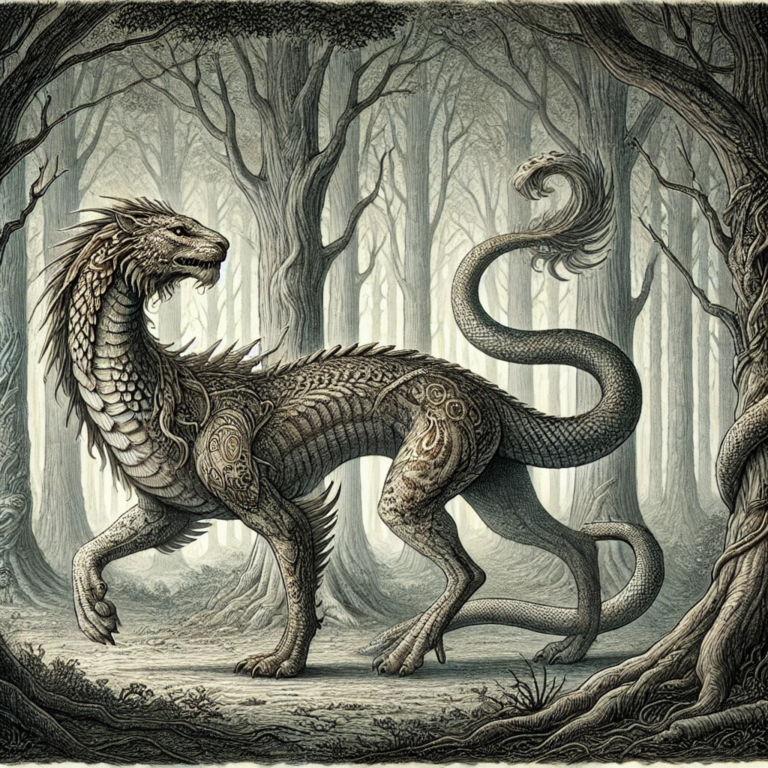
The Questing Beast, also known as the Beast Glatisant, is a fantastical creature from Arthurian legend and medieval romance literature. The Questing Beast is a mysterious and elusive creature, often linked to knights and kings, particularly King Arthur, Sir Palamedes, and Sir Percival. It represents both a physical and symbolic challenge for those who seek to encounter or hunt it.

Read more >

Strigoi Mort

Strigoi Mort are undead creatures from Romanian folklore, specifically linked to the myth of the Strigoi, which are spirits or revenants that rise from the grave. The term “Strigoi” can refer to both living and dead entities, but Strigoi Mort (literally meaning “dead Strigoi”) are revenant vampires or ghosts that return from the dead to haunt and harm the living. Strigoi Mort are closely related to the widespread concept of vampires, but they have distinct characteristics rooted in Romanian traditions.

Read more >

Mara

In various cultures, the term Mara refers to distinct mythological or supernatural beings, most notably in Buddhist and Norse mythology. Mara is often associated with negative forces such as destruction, death, temptation, or nightmares, symbolizing both physical and spiritual challenges. Below are the two most prominent interpretations of Mara:

Read more >

Lou Carcolh

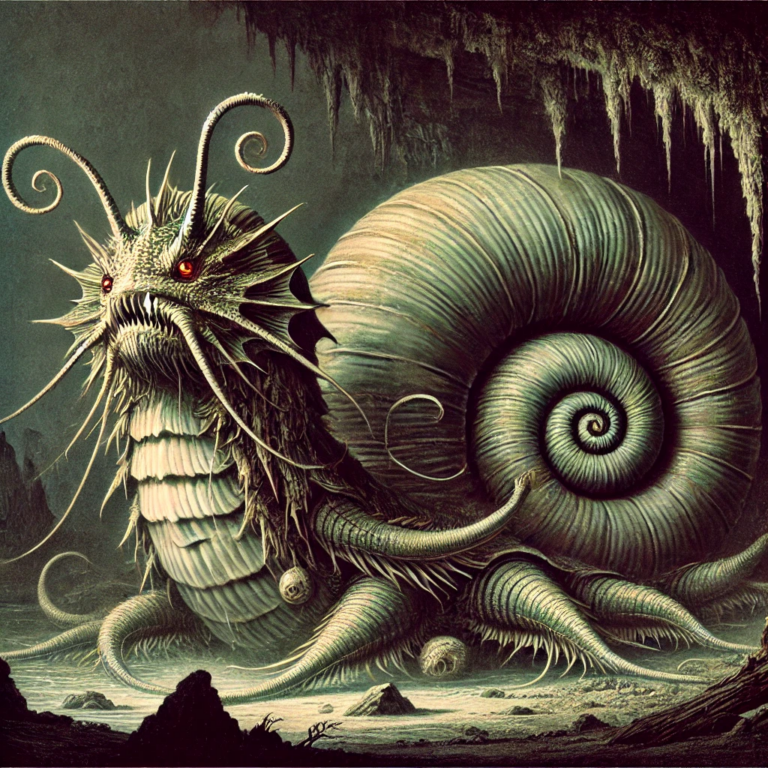
Lou Carcolh is a creature from Gascon folklore, a region in southwestern France. This terrifying mythological beast is often described as a monstrous, snail-like or serpent-like creature with enormous, slimy tentacles that extend for incredible distances. Lou Carcolh is considered one of the most unusual and unsettling figures in French folklore due to its grotesque appearance and its ability to ensnare victims with its long, sticky appendages.

Read more >

Kelpie

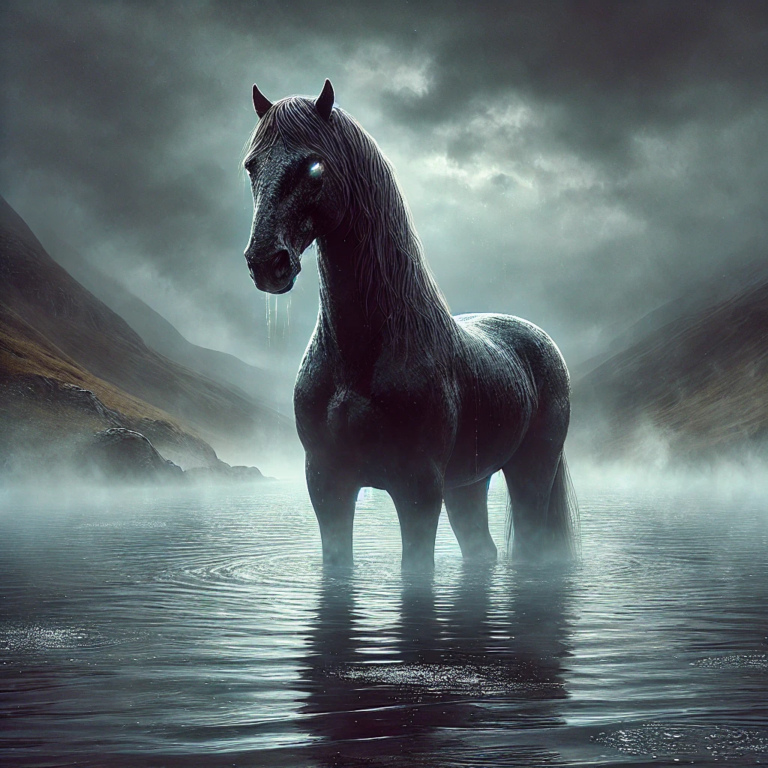
The Kelpie is a shape-shifting water spirit from Scottish folklore, often depicted as a horse-like creature that haunts rivers, streams, and lochs (lakes). The Kelpie is known for its ability to transform into a beautiful, alluring horse or, in some cases, a human, in order to lure unsuspecting victims to their doom. The Kelpie is one of the most famous and feared mythical beings in Scottish tradition, symbolizing the dangers and mystery associated with bodies of water.

Read more >

Changeling

In European folklore, particularly from the regions of Ireland, Scotland, Scandinavia, and Germany, the Changeling is a supernatural creature believed to be a fairy child or a creature swapped for a human baby by fairies, elves, or other mystical beings. This swap was said to occur soon after birth or during early infancy, often when the child was left unattended. Changelings are one of the most enduring and eerie elements of European folk belief, reflecting a mix of fears related to child loss, illness, and the mysterious nature of the supernatural.

Read more >

Introduction to European Folklore

European folklore encompasses a wide variety of legends, myths, and stories that have been passed down through generations across the continent. Rooted in both pagan traditions and later Christian influences, these tales reflect the values, fears, and beliefs of different cultures across Europe. They often feature magical creatures, heroic figures, and cautionary tales about morality and the human condition. European folklore varies greatly by region, but many themes, creatures, and motifs are shared across different cultures.

Key Collections

CollectionDescription
Grimm’s Fairy TalesA collection of German folk stories gathered by the Brothers Grimm, which includes famous tales such as “Cinderella,” “Hansel and Gretel,” and “Snow White.” These stories often have dark undertones and moral lessons.
Aarne-Thompson Classification SystemA system used to categorize and index folktales from across Europe and other parts of the world. It helps scholars identify common motifs and story types across different cultures.
Irish Mythological CycleA collection of ancient Irish legends, including stories of the Tuatha Dé Danann, legendary gods, and warriors like Cú Chulainn, as well as tales about the origins of the Irish people.
Russian Fairy TalesA compilation of stories from Russia, often featuring characters such as Baba Yaga, the evil witch, and Koschei the Deathless. These tales are rich in symbolism and often center on themes of bravery and cleverness.

Important Characters

CharacterDescription
Baba YagaA fearsome witch from Slavic folklore who lives in a hut that stands on chicken legs. Baba Yaga is both a villain and a guide in various tales, offering help or hindrance depending on the situation.
Cú ChulainnA legendary warrior from Irish mythology, known for his incredible strength and battle prowess. He is a central figure in the Ulster Cycle of Irish mythology.
Robin HoodAn English folk hero known for “robbing from the rich and giving to the poor.” He is often depicted as an outlaw who lives in Sherwood Forest with his band of Merry Men.
Koschei the DeathlessA villain in Russian folklore, Koschei is an immortal being who hides his soul in a needle, which is hidden within a series of increasingly secure containers. He is often defeated by cunning heroes who find his soul.
Jack (of the Beanstalk)A hero from English folklore who climbs a magical beanstalk to confront a giant. The story typically emphasizes cleverness and bravery as Jack outwits the giant to secure his fortune.

Significant Places

  • Avalon: A mythical island from Arthurian legend, where King Arthur is said to have been taken to heal after being mortally wounded. Avalon is often depicted as a paradise and a place of magical healing.
  • Elfland: In various European folktales, Elfland or the land of the fairies is a mystical realm where elves and other magical beings live. Time in Elfland is said to pass differently, and humans who enter it may return years later, although they have only spent a short time there.
  • Sherwood Forest: The legendary home of Robin Hood and his Merry Men. In the tales, Sherwood Forest serves as both a hideout and a place of refuge for those fleeing from corrupt authorities.
  • Valhalla: In Norse mythology, Valhalla is the hall of the slain, where warriors who died bravely in battle are brought by the Valkyries to live under the god Odin’s protection until Ragnarok.

Mythical Creatures

CreatureDescription
Fairies (Faeries)Small, magical beings commonly found in British, Irish, and other European folklore. Fairies are often mischievous and sometimes dangerous, though they can also bring blessings to those they favor.
DragonsPowerful and often malevolent creatures found in many European myths. They are typically depicted as large, fire-breathing reptiles, and slaying a dragon is often seen as the ultimate heroic act.
ValkyriesIn Norse mythology, Valkyries are warrior maidens who choose which warriors will die in battle and which will live. They escort the chosen dead to Valhalla, the hall of the slain.
KelpiesShape-shifting water spirits from Scottish folklore, often appearing as horses. Kelpies are known for luring humans, particularly children, into the water, where they drown them.
WerewolvesHumans who can transform into wolves, either voluntarily or through a curse. Werewolves are common in French, German, and Slavic folklore, where they are often seen as creatures of terror.

Mythological Themes

  • Good vs. Evil: Many European folktales center on the conflict between good and evil, where heroes, often of humble origins, defeat powerful and malicious creatures or enemies, such as giants or dragons.
  • Trickery and Cleverness: European folklore is filled with tales where characters use wit and cleverness to overcome challenges. Figures like Jack (from “Jack and the Beanstalk”) or trickster characters outwit stronger foes.
  • Morality and Cautionary Tales: Many folktales serve as moral lessons, warning against greed, dishonesty, or pride. Stories like “Hansel and Gretel” teach the importance of resourcefulness and caution.
  • Nature and the Supernatural: European folklore often connects the natural world with the supernatural, with forests, mountains, rivers, and caves being home to magical creatures such as fairies, trolls, or nymphs.