Inuit Folklore

Tarriaksuq: Exploring Inuit Mythology and Cultural Significance

Tarriaksuq holds a special place in the rich tapestry of indigenous cultures. As I delved into its meaning and significance, I discovered layers of history and tradition that are both fascinating and inspiring. Understanding Tarriaksuq offers a unique glimpse into the values and wisdom passed down through generations.
In exploring this concept, I aim to shed light on its relevance today and how it

Read more >

Malina Explored: From Nutritional Benefits to Arctic Research and Market Leadership

Malina has always been one of my favourite fruits. Its vibrant colour and sweet-tart flavour make it a versatile ingredient in both sweet and savoury dishes. Whether I’m enjoying it fresh, blending it into smoothies, or baking it into a pie, Malina never fails to delight my taste buds.
Exploring the benefits of Malina goes beyond its delicious taste. Packed with vitamins, antioxidants, and fibre,

Read more >

Inuksuk: Exploring Their Cultural Significance and Modern Relevance

Inuksuk are remarkable stone structures that have long served as landmarks and symbols within Inuit culture. I’ve always found their simple yet purposeful designs captivating. These stone markers guide travelers, mark sacred sites, and represent cooperation and community.
Delving into the world of inuksuit uncovers a rich heritage of survival and storytelling. Each inuksuk holds its own meaning, r

Read more >

Kayak (Qajaq) Guide: History, Types, Features & Buying Tips

Kayaks, known as qajaqs in Inuit culture, have been essential for navigating Arctic waters for centuries. I’ve always been captivated by their streamlined design and remarkable adaptability, making them perfect for both serene paddles and adventurous expeditions.
Delving into the world of kayaks opens up a realm of possibilities, whether you’re a seasoned paddler or just starting out. Understandin

Read more >

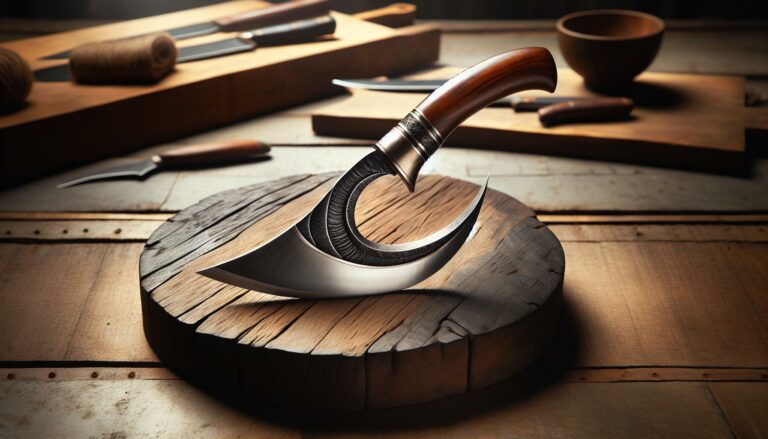
Ulu: Exploring the Traditional Inuit Knife and Its Modern Uses

Ulu has always fascinated me as a symbol of Inuit craftsmanship and tradition. This versatile tool, with its distinctive curved blade, has been an essential part of Arctic life for centuries. Whether used for cutting, skinning, or even as a weapon, the ulu’s design reflects both functionality and cultural significance.
Delving into the history of the ulu reveals more than just its practical applic

Read more >

Amaroq (Giant Wolf): Unveiling the Legendary Arctic Creature in Inuit Folklore

Amaroq, the legendary Giant Wolf, has roamed the icy landscapes of Inuit folklore for centuries. I’ve always been fascinated by tales that blend the wild with the mystical, and Amaroq stands out as a symbol of both fear and respect in these rich narratives.
Delving into the lore of this majestic creature reveals a world where nature and myth intertwine. From its fearsome presence to the lessons it

Read more >

Understanding Tuurngait (Spirit Companions): Aboriginal Spiritual Guides

Understanding Tuurngait, or Spirit Companions, has always intrigued me. These spiritual beings hold a vital place in Aboriginal culture, offering guidance and protection throughout one’s life journey. Delving into their significance reveals the profound connection between the spiritual and physical worlds.
As I explore the role of Tuurngait, I uncover the rich traditions and beliefs that honour th

Read more >

Qailertetang: Celebrating Inuit Culture and Resilience in Nunavut’s Arctic

Discovering Qailertetang opens a window into the rich tapestry of Inuit culture nestled in Nunavut. I’ve always been fascinated by its unique blend of tradition and modern life set against the stunning Arctic landscape.
From its remote location to the resilient spirit of its community, Qailertetang offers insights into survival and adaptation in one of the world’s harshest environments. Join me as

Read more >

Exploring Anningan: The Moon God and Guardian of the Northern Skies

Anningan is a captivating figure in Filipino mythology, known as the guardian of the northern skies. I’ve always been intrigued by how Anningan embodies the balance between day and night, playing a crucial role in celestial tales that have been passed down through generations.
Exploring Anningan’s stories offers a deeper understanding of Filipino culture and its rich mythological landscape. Whethe

Read more >

Discover the Volkswagen Amarok: Versatile Performance and Modern Comfort

The Amarok has carved its niche in the pickup truck market by blending toughness with sophistication that appeals to a wide range of drivers. I’ve always been impressed by how it delivers both off-road prowess and everyday practicality, making it a versatile choice for many.
Under the hood, the Amarok boasts powerful engine options that ensure strong performance whether you’re hauling heavy loads

Read more >

Introduction to Inuit Folklore

Inuit folklore refers to the traditional stories, legends, and spiritual beliefs of the Inuit people, who live in the Arctic regions of North America and Greenland. These tales were passed down orally through generations and reflect the Inuit’s deep connection to the natural world, the harsh environment of the Arctic, and the spiritual forces that guide and protect them. The folklore includes stories about animals, spirits, and the challenges of survival, often imbued with moral lessons and practical knowledge for living in the Arctic environment.

Key Themes and Oral Tradition

Inuit folklore is primarily transmitted through oral storytelling, where the elder generation teaches the younger one about survival, morality, and the spirits that inhabit the natural world. These stories often blend the physical and spiritual realms, emphasizing respect for animals, the elements, and the unseen forces that shape daily life.

Important Characters

CharacterDescription
SednaThe sea goddess and mother of all sea creatures, Sedna plays a central role in Inuit mythology. She lives at the bottom of the ocean and controls the animals that the Inuit depend on for food. Sedna is both revered and feared, and shamans communicate with her to ensure successful hunting.
NanookThe mighty polar bear and the master of all bears in Inuit folklore. Nanook is both a symbol of strength and a guardian of the animal kingdom. Hunters sought Nanook’s favor to ensure success in hunting polar bears and other Arctic animals.
TorngarsukA powerful spirit who is often depicted as the leader of the spirits and a figure that shamans would seek guidance from. Torngarsuk could appear in various forms, including that of a bear or a half-man, half-spirit being.
QiqirnA mischievous spirit-dog that causes trouble and fear for humans. Qiqirn is a large, hairless dog that brings bad luck to those who encounter him, but it is said that he is more afraid of humans than they are of him.
AmarokA gigantic wolf that hunts those who venture out alone at night. Unlike ordinary wolves that hunt in packs, Amarok is a solitary hunter and a symbol of the dangers of the wilderness.

Significant Places

  • The Sea (Sedna’s Domain): The sea is central to Inuit life and is viewed as Sedna’s domain. The sea is home to the animals that the Inuit hunt, and maintaining a good relationship with Sedna ensures survival.
  • The Land of the Spirits: The spiritual world is ever-present in Inuit folklore, and various spirits are believed to inhabit the land, sky, and water. These spirits can either help or hinder human life depending on how they are treated.
  • Shaman’s Path: The path that shamans travel to communicate with spirits such as Sedna or Torngarsuk. Shamans enter trances and venture into the spirit world to secure the wellbeing of their communities.

Mythical Creatures

CreatureDescription
TupilakA spirit created by a shaman from bones, sinew, and other materials, the tupilak is a malevolent creature sent to harm someone. However, creating a tupilak is dangerous, as it can backfire and return to harm its creator if the intended victim has greater spiritual power.
AkhlutA shape-shifting creature that can transform between a wolf and an orca (killer whale). The Akhlut represents the wild and unpredictable forces of the Arctic, often serving as a warning about the dangers of the sea and the ice.
QalupalikA water-dwelling creature known for luring children who wander too close to the shoreline. The Qalupalik is said to carry the children away in her pouch, teaching them a lesson about the dangers of disobedience.
IjiraqA shapeshifting entity that can appear human or animal, Ijiraq is known for leading people astray in the Arctic wilderness. Those who follow an Ijiraq may become lost and never find their way home.
AdletCreatures that are half-human and half-dog. The Adlet are seen as vicious and wild, and they often symbolize the untamed forces of nature. In some stories, they are the descendants of a human woman and a dog.

Mythological Themes

  • Survival and Respect for Nature: Many Inuit stories emphasize the importance of respecting the animals and the natural world. The success of a hunt or survival in harsh conditions often depended on this respect and maintaining balance with the spirits.
  • Shamanism: Shamans hold a key place in Inuit folklore, acting as intermediaries between the human and spirit worlds. They perform rituals, enter trances, and communicate with deities and spirits to heal, guide, and protect the people.
  • Moral Lessons: Stories often contain moral lessons, particularly aimed at teaching children the dangers of disobedience or carelessness. Figures like Qalupalik and Ijiraq serve as warnings to stay safe and respect boundaries.
  • The Power of Transformation: Shape-shifting is a recurring theme in Inuit mythology. Many creatures, such as the Akhlut and Ijiraq, embody the idea that the line between human, animal, and spirit is fluid and that transformation is a part of existence.