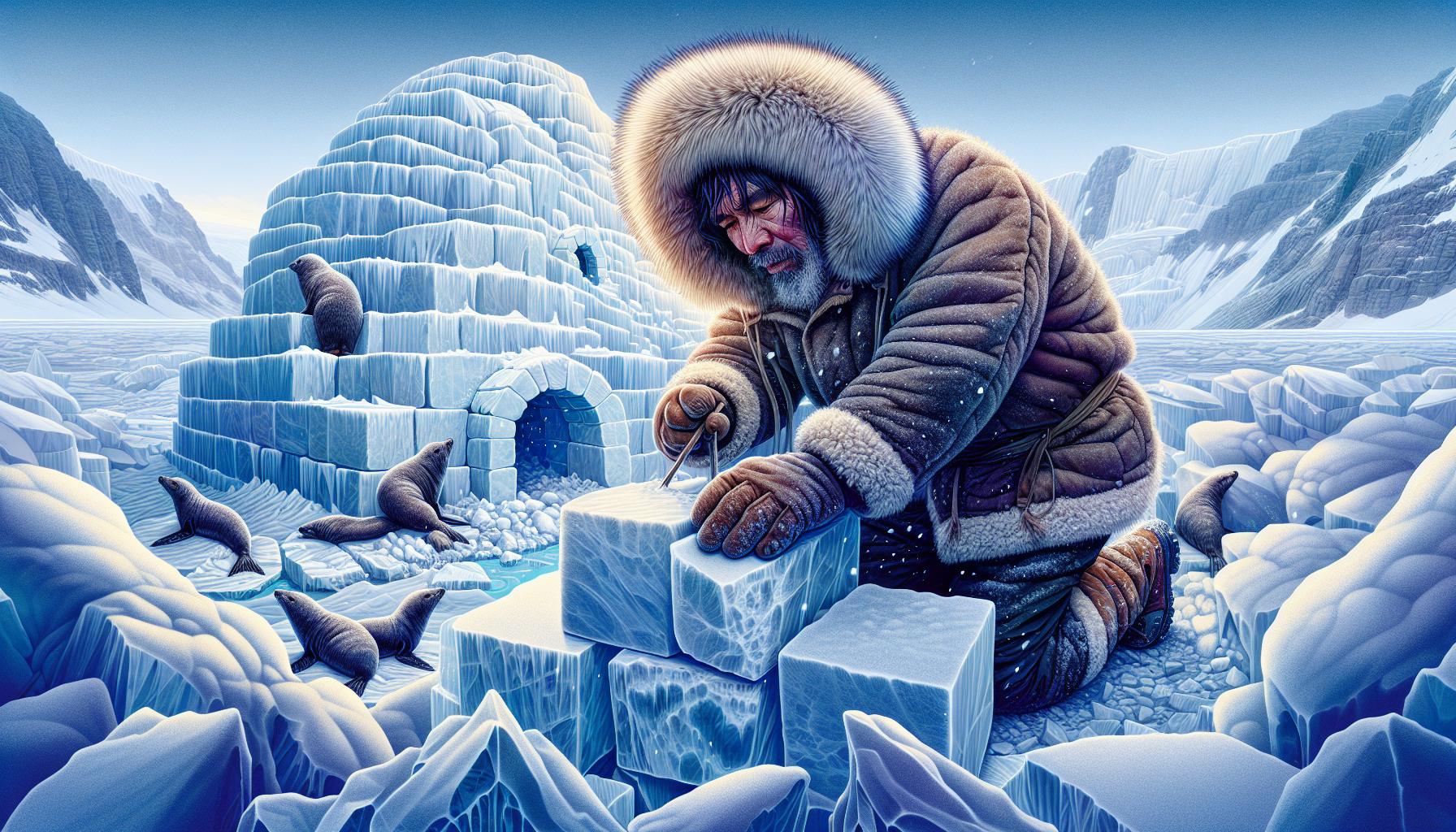
I’ve always been fascinated by pioneering films, and “Nanook” stands out as a true classic. This notable documentary offers an intimate glimpse into the life of an Inuit family in the Canadian Arctic. Through its captivating storytelling and stunning visuals, “Nanook” not only entertains but also educates viewers about a culture many of us know little about.

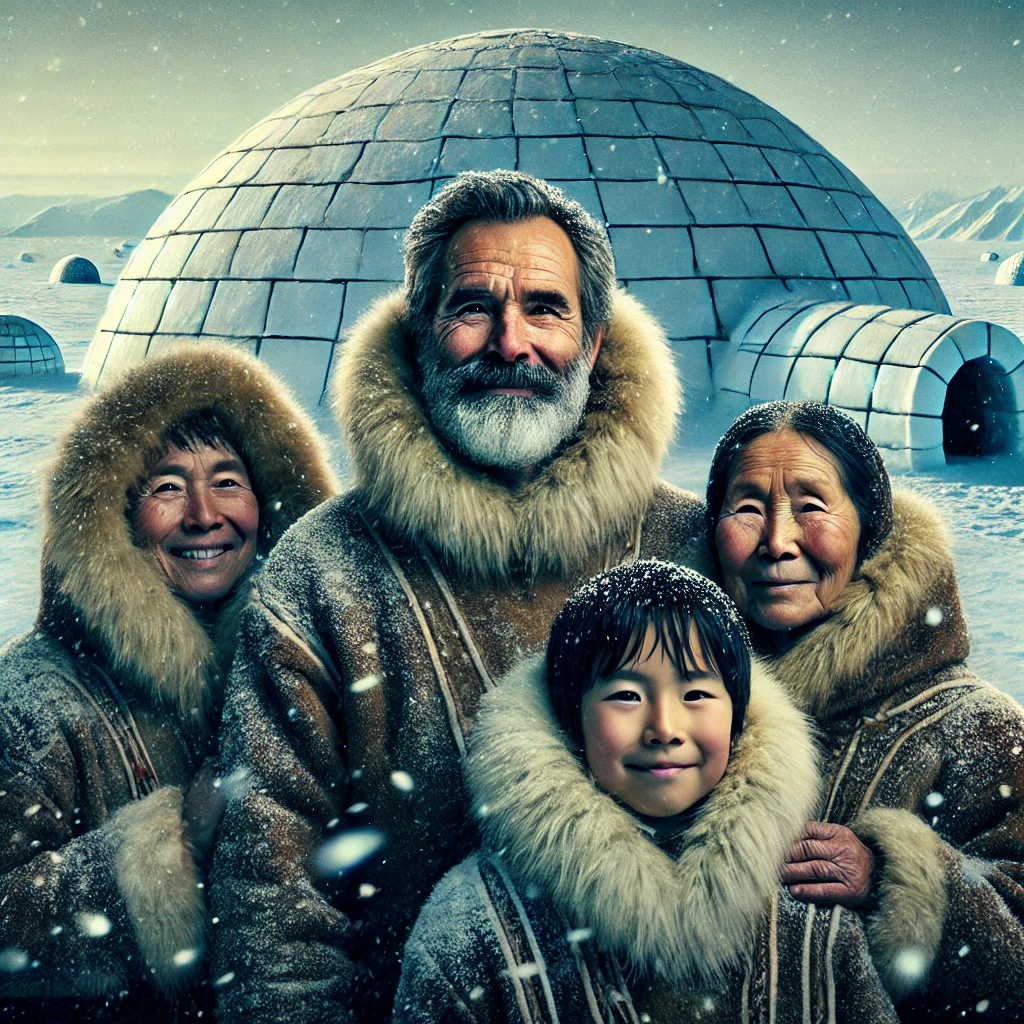
Exploring “Nanook” reveals the challenges and resilience of its subjects, making it a timeless piece that still resonates today. Whether you’re a film enthusiast or simply curious about different ways of life, diving into “Nanook” is a journey worth taking.
Overview of Nanook
“Nanook of the North,” released in 1922, stands as a pioneering documentary in cinema history. Directed by Robert J. Flaherty, the film offers an intimate portrayal of Nanook, an Inuit hunter, and his family’s daily life in the Canadian Arctic. Filmed over several years, it captures their hunting practices, shelter construction, and survival strategies in harsh climatic conditions.
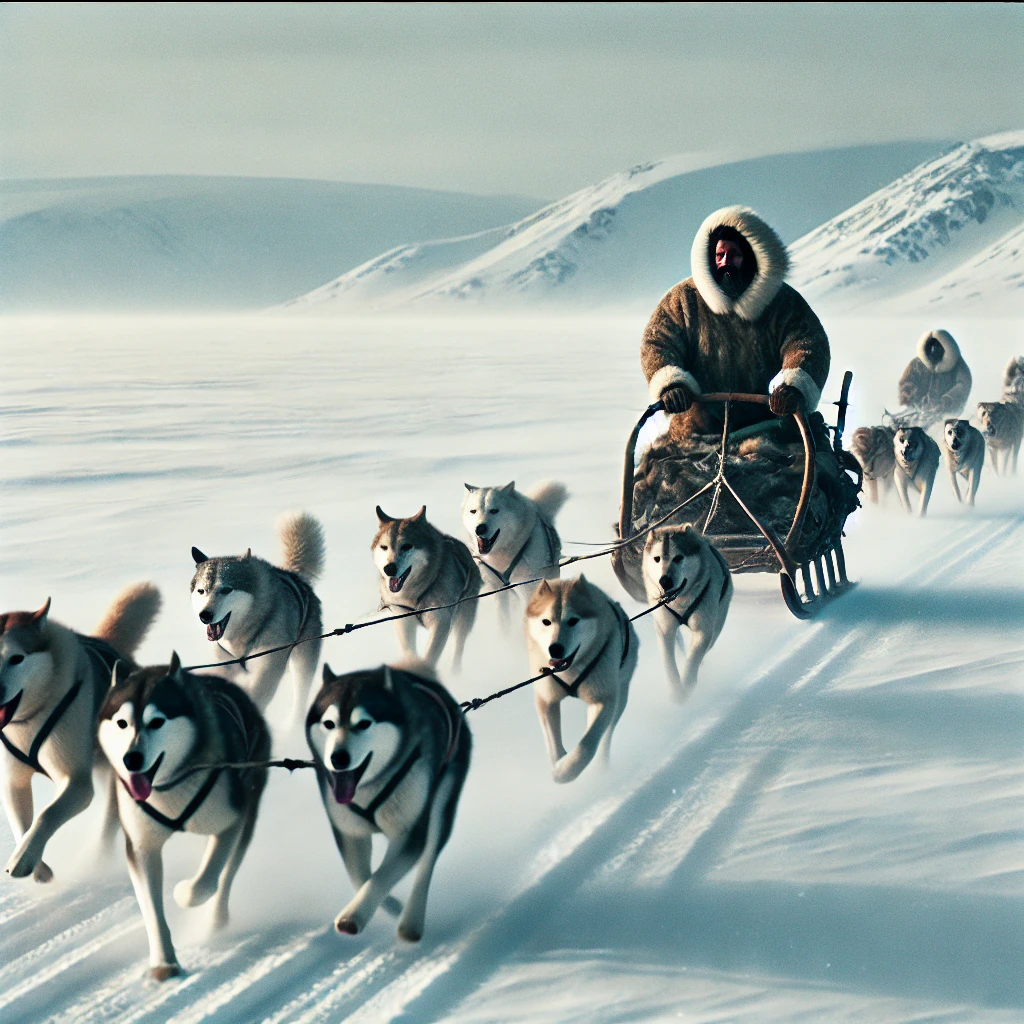

The documentary combines captivating storytelling with stunning visuals, providing viewers with an authentic glimpse into Inuit culture and traditions. Despite some staged scenes, “Nanook of the North” remains a significant work for its notable approach to documentary filmmaking and its enduring impact on how indigenous lifestyles are represented in media.
Production Background

The production of Nanook of the North spanned a year, capturing the essence of Inuit life in the Canadian Arctic. The team navigated harsh conditions to deliver an authentic portrayal.
Director and Crew
Robert J. Flaherty directed and produced the film, showcasing his pioneering vision in documentary filmmaking. He also managed the cinematography, though not always credited. Flaherty’s wife, Frances H., contributed to the writing, enhancing the narrative’s depth.
Filming Locations
Filming occurred between August 1920 and August 1921 in the Canadian Arctic. The remote locations provided a genuine backdrop, essential for depicting the Inuit family’s daily life and survival strategies.
Story and Themes

“Nanook of the North” depicts Nanook, his wife Nyla, and their family understanding the Canadian Arctic’s severe conditions. The film showcases their hunting techniques, such as walrus hunting, which highlights Inuit expertise in utilizing natural resources. Shelter construction is illustrated through the building of an igloo, demonstrating practical architectural skills essential for survival.
The family’s interactions at a trading post reveal cultural exchanges, especially when encountering Western technology like the gramophone. These interactions underscore the theme of cultural resilience and the challenges posed by external influences. Overall, the film emphasizes survival, cultural heritage, and the impact of modernization on indigenous communities.
Cinematic Techniques
In “Nanook of the North,” Robert Flaherty employs notable cinematic techniques that enhance the film’s authenticity and visual impact.
Cinematography
Flaherty utilizes deep-focus cinematography to capture expansive Arctic landscapes alongside intimate family moments. For instance, the opening sequence features icebergs floating in the sea with the sun prominently overhead, showcasing the vastness of the environment[^1][^3][^5]. Despite the limited technology of the time, Flaherty achieves breathtaking shots that highlight the natural beauty and harsh conditions of the Canadian Arctic. The combination of portrait and landscape photography creates a dynamic visual aesthetic, allowing viewers to appreciate both the personal and environmental aspects of Inuit life[^3][^5].
Narrative Style
The film emphasizes the everyday tasks of the Inuit people, providing a detailed portrayal of their survival strategies. Flaherty meticulously documents activities such as igloo construction, demonstrating Nanook’s expertise and the communal effort involved[^1][^3]. By focusing on the process and duration of these tasks, the narrative offers insight into the resilience and ingenuity required to thrive in extreme conditions. This methodical storytelling not only educates the audience about Inuit culture but also reinforces the film’s documentary authenticity.
[^1]: Reference 1
[^3]: Reference 3
Impact and Legacy
Influence on Documentary Filmmaking
“Nanook of the North” set a precedent in documentary cinema by blending authentic daily life with staged scenes to enhance narrative depth. Flaherty’s approach introduced audiences to the Inuit culture, building a new appreciation for indigenous lifestyles. The film’s success demonstrated the viability of documentaries as a powerful medium for cultural education, inspiring future filmmakers to explore and document diverse communities with similar dedication to authenticity.
Representation of Inuit Culture
The portrayal of Nanook and his family provided a comprehensive glimpse into Inuit traditions and survival strategies. By showcasing hunting techniques, igloo construction, and social interactions, the film preserved vital aspects of Inuit heritage. This representation played a crucial role in raising awareness about the Inuit way of life, promoting cultural preservation and respect. Also, the film highlighted the resilience and ingenuity of the Inuit people, challenging prevailing stereotypes and building a more nuanced understanding of their society.
Enduring Cultural Significance
Nanook’s legacy extends beyond cinema, deeply embedding itself in Inuit cultural identity. As a mythological figure, Nanook embodies the values of strength, balance, and harmony with nature, resonating with the community’s spiritual beliefs. The rituals and traditions honoring Nanook reinforce the importance of maintaining a respectful relationship with the environment. This dual legacy, encompassing both the documentary and mythological aspects, ensures that Nanook remains a important symbol in preserving and celebrating Inuit culture.
Educational and Academic Impact
“Nanook of the North” serves as a valuable educational resource, frequently cited in academic studies on anthropology, film studies, and cultural preservation. The film’s detailed documentation of Inuit life provides researchers with authentic material for analysis, while its cinematic techniques are studied for their innovative contributions to documentary filmmaking. Educational institutions utilise the film to teach students about the complexities of representing indigenous cultures, emphasizing the balance between authenticity and narrative storytelling.
Global Recognition and Preservation
The film’s international acclaim has secured its place in cinematic history, ensuring its preservation and continued accessibility. As one of the earliest examples of feature-length documentaries, “Nanook of the North” is preserved in numerous film archives and celebrated in retrospectives worldwide. This global recognition not only honours Flaherty’s pioneering work but also underscores the universal relevance of Nanook’s story, promoting ongoing interest and respect for Inuit culture across different audiences.
Critical Reception
Universal Acclaim
Upon its release in 1922, Nanook of the North received near-universal praise from critics and achieved significant box-office success both in the United States and internationally. Recognised as the first major nonfiction film, it authentically portrays Inuit culture in the remote Arctic, capturing intimate details of their daily lives and survival strategies[^1][^4].
Enduring Influence
Nanook of the North maintains its reputation over time. In a 2014 Sight and Sound poll, film critics ranked it as the seventh-best documentary film of all time, underscoring its lasting impact and significance in the documentary genre[^1].
Critical Reviews
The film boasts a 100% approval rating on Rotten Tomatoes, based on 30 reviews, with an average score of 8.68 out of 10. This unanimous acclaim reflects the film’s exceptional quality and its important role in shaping documentary filmmaking.
[^1]: Reference 1
Too Long, Didn’t Read
- Pioneering Documentary: “Nanook of the North” is a notable 1922 film that established the documentary genre by offering a detailed portrayal of Inuit life in the Canadian Arctic.
- Authentic Cultural Representation: Directed by Robert J. Flaherty, the film authentically depicts Inuit traditions, including hunting practices and igloo construction, providing valuable insights into their daily lives.
- Innovative Cinematic Techniques: Flaherty employed deep-focus cinematography and a mix of portrait and landscape shots, enhancing the film’s visual storytelling and realism.
- Enduring Legacy: “Nanook of the North” has had a lasting impact on documentary filmmaking, inspiring future generations of filmmakers to explore and represent indigenous cultures with sensitivity and depth.
- Critical Acclaim and Recognition: The film received universal praise upon release and continues to be celebrated for its historical significance and educational value, maintaining a high approval rating among critics.
- Educational and Cultural Significance: Serving as an important academic resource, the documentary preserves Inuit heritage and builds a greater understanding and respect for indigenous communities worldwide.
Conclusion
Looking into “Nanook of the North” opened my eyes to the profound resilience and ingenuity of the Inuit people. This film stands as a testament to Flaherty’s visionary approach, blending authentic storytelling with notable cinematic techniques. Watching Nanook and his family understand the harsh Arctic environment left me with a deep appreciation for their strength and cultural heritage. The enduring legacy of this documentary inspires me to explore more stories that highlight the beauty of indigenous lifestyles. “Nanook of the North” not only shaped the future of documentary filmmaking but also continues to educate and inspire audiences around the world. It’s a remarkable piece that reminds us of the importance of preserving and respecting diverse cultures.
Mythology Delivered to Your Inbox
Join 25,000+ readers exploring myths, legends, and ancient stories from cultures around the world. New entries every week.
SubscribeFrequently Asked Questions
What is “Nanook of the North”?
“Nanook of the North” is a pioneering documentary film released in 1922, directed by Robert J. Flaherty. It offers an intimate portrayal of an Inuit family in the Canadian Arctic, focusing on their daily lives, hunting practices, and survival strategies. The film is celebrated for its stunning visuals and storytelling, providing viewers with a deep insight into Inuit culture and traditions. Despite some staged scenes, it remains a landmark in documentary filmmaking, highlighting the resilience and ingenuity of indigenous communities.
Who directed “Nanook of the North”?
“Nanook of the North” was directed and produced by Robert J. Flaherty, an American filmmaker known for his innovative approach to documentary filmmaking. Flaherty spent over a year filming in the harsh conditions of the Canadian Arctic, collaborating closely with the Inuit family to authentically capture their way of life. His dedication and pioneering vision established him as a key figure in the development of documentaries, influencing future generations of filmmakers with his method of blending real-life documentation with narrative storytelling.
Why is “Nanook of the North” significant in documentary filmmaking?
“Nanook of the North” is considered a notable work in documentary filmmaking as it was one of the first major nonfiction films to portray indigenous life authentically. Released in 1922, it set a precedent for documentaries by combining real-life documentation with narrative elements to enhance storytelling. The film’s use of deep-focus cinematography and its immersive portrayal of Inuit culture influenced the genre’s evolution, demonstrating the potential of documentaries to educate and engage audiences about diverse lifestyles and cultures.
What themes are explored in “Nanook of the North”?
The film explores themes of survival, cultural heritage, and the impact of modernisation on indigenous communities. It showcases the Inuit family’s hunting techniques, shelter construction, and interaction with Western technology, highlighting their resilience and adaptability. Also, the film delves into the cultural exchanges and challenges posed by external influences, emphasizing the importance of preserving traditional practices and respecting the natural environment. These themes contribute to a deeper understanding of Inuit life and the broader implications of cultural preservation.
How was “Nanook of the North” received by audiences and critics?
Upon its release, “Nanook of the North” received near-universal praise and achieved significant box-office success both in the United States and internationally. Critics lauded its authentic portrayal of Inuit life and its innovative approach to documentary storytelling. The film has maintained its reputation over time, ranking as the seventh-best documentary film of all time in a 2014 Sight and Sound poll and holding a 100% approval rating on Rotten Tomatoes. Its enduring acclaim reflects its exceptional quality and lasting impact on the documentary genre.
What impact did “Nanook of the North” have on the representation of indigenous cultures?
“Nanook of the North” had a profound impact on the representation of indigenous cultures in media by providing a respectful and detailed portrayal of Inuit life. The film builded appreciation for indigenous lifestyles and demonstrated the documentary medium’s ability to educate audiences about diverse cultures. By preserving vital aspects of Inuit heritage, it promoted cultural preservation and challenged prevailing stereotypes. Its success paved the way for future documentaries to explore and honour indigenous communities, influencing how their stories are told and perceived globally.
What production challenges were faced during the making of “Nanook of the North”?
The production of “Nanook of the North” involved understanding extreme Arctic conditions, including harsh weather and remote locations, which posed significant logistical challenges. Filming took place over a year between August 1920 and August 1921, requiring the crew to endure freezing temperatures and limited accessibility. Also, ensuring the authenticity of the portrayal meant adapting to the lifestyle and schedules of the Inuit family, sometimes necessitating staged scenes to capture specific aspects of their daily lives. These challenges underscored the dedication required to create the film.
How does “Nanook of the North” depict Inuit culture and daily life?
The film meticulously documents the daily life of Nanook and his Inuit family, showcasing their hunting techniques, such as walrus hunting, and practical skills like igloo construction. It highlights their resourcefulness in utilizing natural resources and their ability to thrive in harsh Arctic conditions. The family’s interactions at a trading post illustrate cultural exchanges and the influence of Western technology, providing a comprehensive view of their traditions and resilience. This detailed depiction offers viewers an authentic glimpse into Inuit culture and the complexities of their survival strategies.
What cinematic techniques were used in “Nanook of the North”?
Robert J. Flaherty employed several innovative cinematic techniques in “Nanook of the North” to enhance its authenticity and visual impact. He utilised deep-focus cinematography to capture both the expansive Arctic landscapes and intimate family moments, creating breathtaking and immersive scenes. The film’s narrative style meticulously documents everyday tasks, providing a clear and engaging storyline. These techniques not only highlight the natural beauty and harsh conditions of the environment but also reinforce the documentary’s authenticity, making it a visually compelling and educational film.
Why is Nanook considered a mythological figure in Inuit culture?
In “Nanook of the North,” Nanook is portrayed as a symbol of strength and harmony with nature, embodying values central to Inuit traditions. While not a mythological figure in traditional Inuit culture, the character of Nanook has come to represent the idealized image of an Inuit hunter and his family’s resilience. This portrayal reinforces the importance of environmental respect and cultural heritage within the community. Over time, Nanook has gained a larger-than-life status, highlighting the enduring significance of the film in shaping perceptions of Inuit identity and mythology.