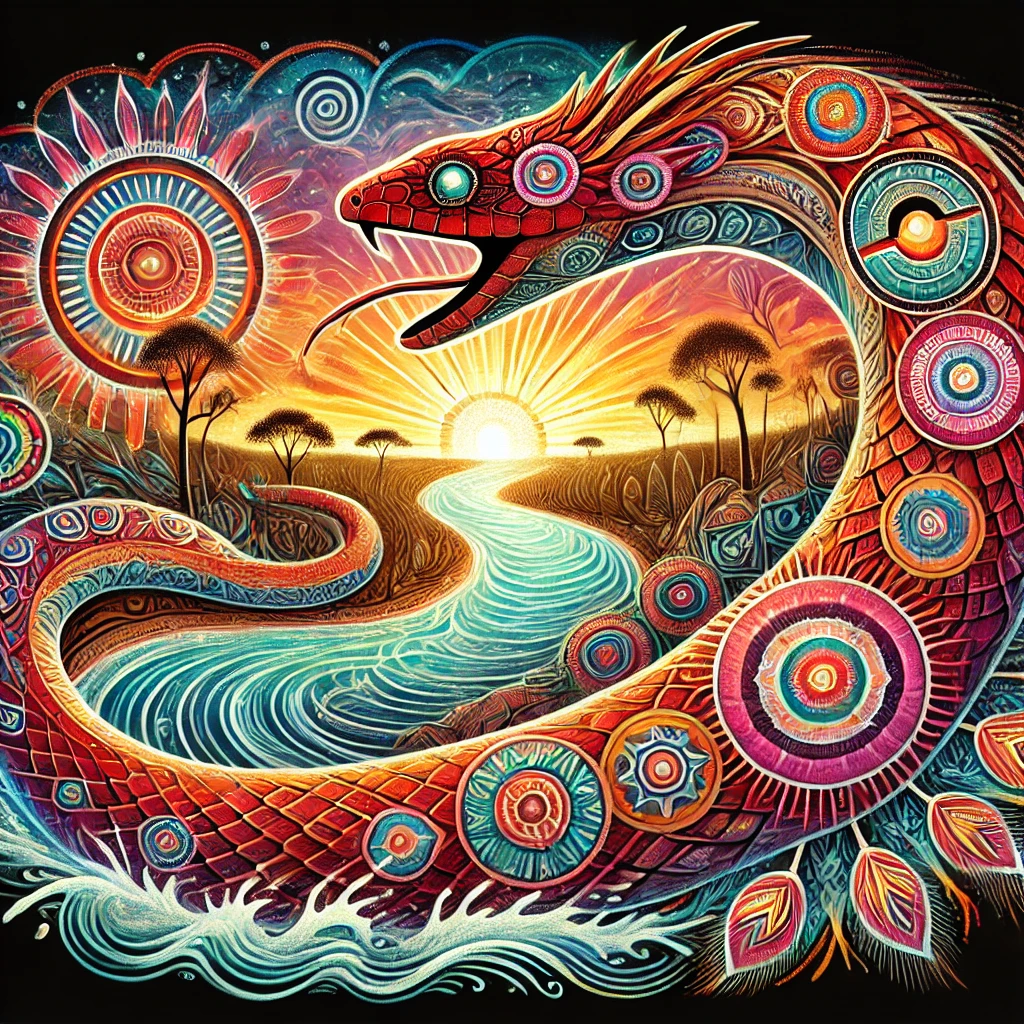
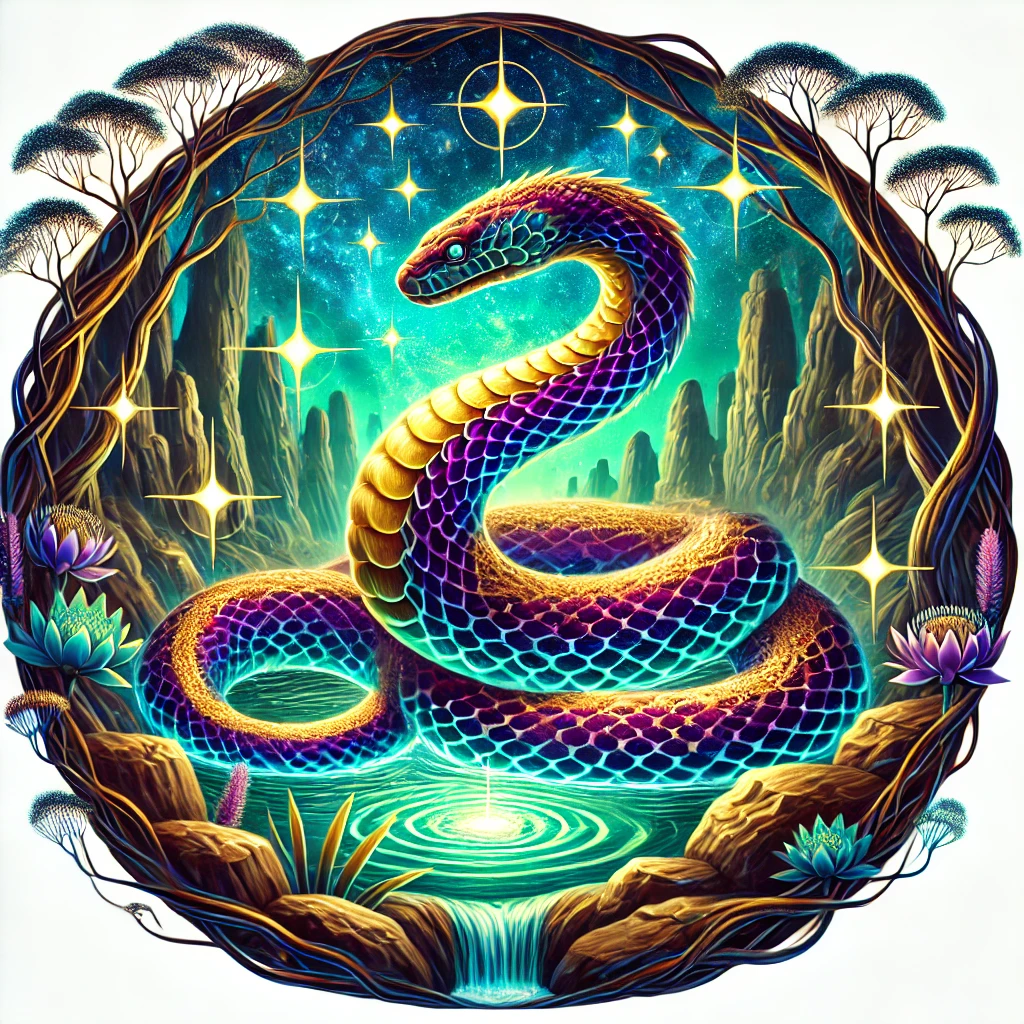
In my exploration of Aboriginal folklore, Ngalyod stands out as a captivating figure steeped in ancient traditions. Often depicted as a mighty serpent, Ngalyod embodies the deep spiritual connection Indigenous Australians have with their land.

research reveals that the tales of Ngalyod are more than just myths; they carry profound lessons about respect, harmony, and the natural world. These stories have been lovingly passed down through generations, preserving essential cultural values and wisdom.


Understanding who Ngalyod is offers a window into the rich storytelling heritage of Aboriginal communities. It’s fascinating to look into these legends and appreciate their significance in shaping cultural identity and heritage.
Understanding Ngalyod in Aboriginal Folklore
Characteristics and Roles
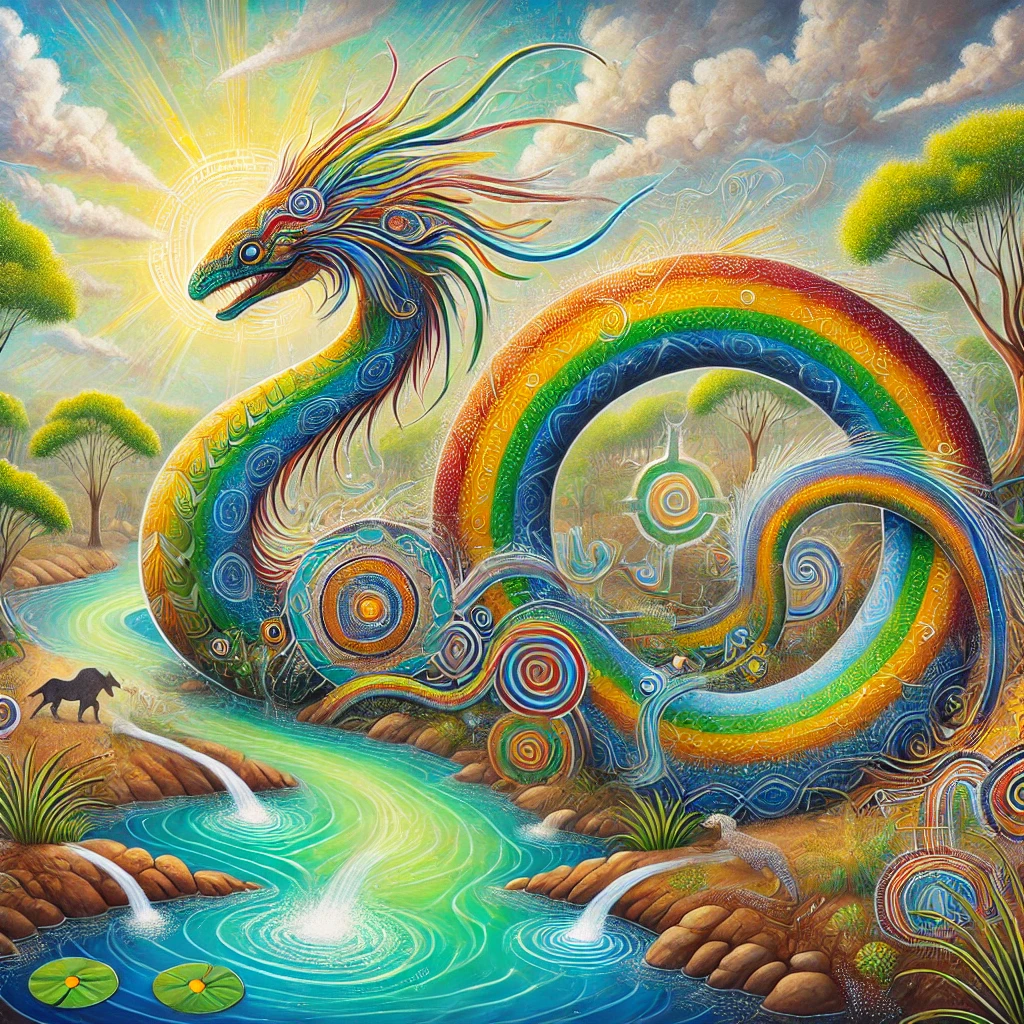
I recognize Ngalyod as the Rainbow Serpent, a central figure in Aboriginal folklore from Western Arnhem Land and the Stone Country. He embodies both creation and destruction, reflecting the dual nature of the environment. Ngalyod forms sacred sites such as billabongs, creeks, rivers, and waterfalls. His connection to water sources supports the growth of essential water plants like waterlilies, vines, algae, and cabbage tree palms.
Powers and Actions
Ngalyod has the power to create and destroy. During the wet season, he actively shapes the landscape, while he rests in billabongs and freshwater springs in the dry season. Natural phenomena often indicate his presence; for instance, the roar of waterfalls represents his voice, and large holes in riverbanks and cliffs mark his tracks. These actions demonstrate Ngalyod’s role in maintaining the balance of nature within Aboriginal belief systems.
The Origin and Mythology of Ngalyod
Ngalyod’s origins are deeply rooted in the Dreamtime, the Aboriginal understanding of the world’s creation. His mythology encompasses creation stories and Dreamtime narratives that highlight his significance.
Creation Stories Involving Ngalyod
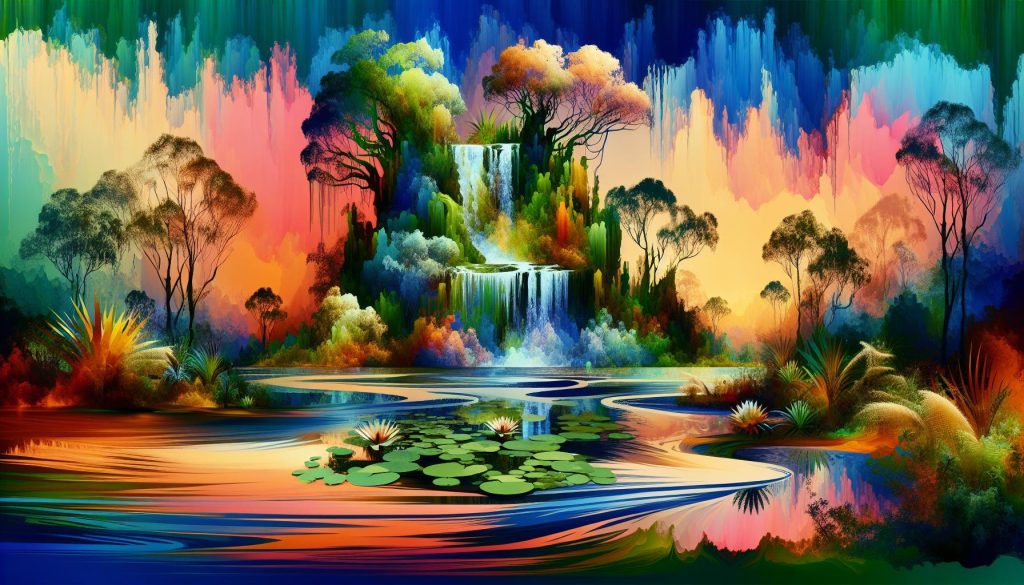
Ngalyod features prominently in numerous creation stories. He shaped the landscape by carving out billabongs, rivers, and waterfalls. As he moved across the land, his body transformed into various animals, establishing natural features. These transformations illustrate his role in forming essential water bodies that sustain life. Ngalyod’s actions also led to the creation of water plants like waterlilies and algae, vital for the ecosystem.
Ngalyod in Dreamtime Narratives
In Dreamtime narratives, Ngalyod embodies both creation and destruction. He governs the water cycles, bringing rain during monsoon seasons and retreating during dry periods. These cycles maintain the balance of nature. Ngalyod’s presence is felt through natural phenomena such as the roar of waterfalls and the formation of large riverholes. These signs signify his ongoing influence in sustaining the environment and ensuring the continuity of life.
Symbolism and Cultural Significance

In my research on Aboriginal folklore, research reveals that Ngalyod embodies both creation and destruction. As a creator, she shapes the landscape, forms water sources, and sustains life by nurturing water plants like waterlilies and algae. This role ensures the sustainability of ecosystems and the availability of vital resources for Indigenous communities.
Conversely, Ngalyod represents destructive forces, controlling floods and natural disasters that reset the environment. This balance maintains ecological harmony, preventing any single element from dominating the landscape. Her influence extends to social structures, where Ngalyod’s stories reinforce cultural values, such as respect for nature and the interconnectedness of all living beings.
I observed that artistic expressions, including paintings and carvings, frequently depict Ngalyod, reflecting her significance in cultural identity. Ceremonies honour her as a guardian of water and land, reinforcing traditional practices and community cohesion. Ngalyod’s enduring presence in folklore serves as a foundation for passing down knowledge and sustaining Aboriginal heritage.
Ngalyod’s Role in Contemporary Aboriginal Art
Ngalyod features prominently in modern Aboriginal art, symbolising cultural identity and heritage. Artists depict Ngalyod through intricate paintings, carvings, and sculptures, using traditional symbols and vibrant colours. These artworks often illustrate Ngalyod’s connection to water sources, showcasing billabongs, waterfalls, and rainbows. By portraying Ngalyod, artists honour ancestral stories and preserve sacred knowledge.
Contemporary Aboriginal artists integrate Ngalyod into public installations and community projects, enhancing cultural visibility. Exhibitions dedicated to Ngalyod attract both Indigenous and non-Indigenous audiences, building cultural appreciation and understanding. Also, Ngalyod serves as a source of inspiration for new artistic techniques, blending traditional methods with modern styles. This fusion ensures that Ngalyod remains a dynamic and relevant figure in Aboriginal art today.
| Art Form | Description |
|---|---|
| Painting | Uses dot painting and cross-hatching to depict Ngalyod’s form and environments. |
| Carving | Creates three-dimensional representations of Ngalyod using wood and stone. |
| Sculpture | Incorporates Ngalyod into larger installations in public spaces. |
| Textiles | Features Ngalyod motifs in woven fabrics and ceremonial garments. |
Ngalyod’s representation in contemporary art not only preserves traditional narratives but also adapts them to present-day contexts. This ongoing artistic dialogue ensures that Ngalyod continues to embody the spiritual and environmental values of Aboriginal communities.
Comparing Ngalyod to Other Mythological Figures
Ngalyod shares several characteristics with other mythological serpent figures globally, reflecting common themes in creation and natural phenomena.
Similarities with Quetzalcoatl
- Creation Role: Both Ngalyod and Quetzalcoatl are revered as creators shaping the world.
- Association with Water: Ngalyod governs water cycles, while Quetzalcoatl is linked to rain and agriculture.
- Symbolism: Both serpents symbolize life, fertility, and the sustenance of ecosystems.
Comparison with Jörmungandr
- Cosmic Significance: Ngalyod influences natural landscapes; Jörmungandr encircles the world, controlling oceans.
- Destructive Powers: Both possess the ability to bring destruction, balancing creation with renewal.
- Cultural Impact: Ngalyod is central to Aboriginal spirituality, whereas Jörmungandr features prominently in Norse mythology and apocalyptic narratives.
Overview of Global Serpent Myths
| Mythological Figure | Culture | Role | Symbolism |
|---|---|---|---|
| Ngalyod | Aboriginal Australia | Creator and destructor | Water, land formation |
| Quetzalcoatl | Aztec | Creator and benefactor | Rain, agriculture |
| Jörmungandr | Norse | World encircler | Ocean control, apocalypse |
| Nāga | Hindu/Buddhist | Guardian and protector | Water bodies, fertility |
Unique Attributes of Ngalyod
While sharing common themes with other serpent deities, Ngalyod uniquely embodies the connection between the land and water in Aboriginal culture. His role in creating sacred sites and controlling water sources highlights the intrinsic relationship Indigenous Australians have with their environment.
Too Long, Didn’t Read
- Central Figure in Aboriginal Folklore: Ngalyod, the Rainbow Serpent, embodies the profound spiritual connection Indigenous Australians have with their land and water.
- Dual Role of Creation and Destruction: Ngalyod shapes landscapes by forming sacred water sources and maintains ecological balance through natural phenomena.
- Roots in Dreamtime: Originating from Dreamtime narratives, Ngalyod’s stories convey essential cultural values such as respect, harmony, and the interconnectedness of all living beings.
- Cultural Significance in Art: Ngalyod remains a prominent theme in contemporary Aboriginal art, showcasing traditional stories and reinforcing cultural identity through paintings, carvings, and sculptures.
- Global Mythological Comparisons: While sharing similarities with other serpent deities like Quetzalcoatl and Jörmungandr, Ngalyod uniquely represents the intrinsic relationship between Indigenous Australians and their environment.
Conclusion
Exploring Ngalyod has deepened my appreciation for Aboriginal storytelling and its profound connection to the land. This legendary serpent not only shapes the physical landscape but also embodies the spiritual bond Indigenous Australians maintain with their environment. Understanding Ngalyod offers valuable insights into the cultural values of respect and harmony with nature. As I reflect on these stories, it’s clear that Ngalyod remains a vital symbol of resilience and continuity within Aboriginal heritage. Embracing these narratives enriches our collective knowledge and builds a greater respect for the rich traditions that sustain Indigenous communities today.
Mythology Delivered to Your Inbox
Join 25,000+ readers exploring myths, legends, and ancient stories from cultures around the world. New entries every week.
SubscribeFrequently Asked Questions
What is Ngalyod in Aboriginal folklore?
Ngalyod, also known as the Rainbow Serpent, is a central figure in Aboriginal folklore from Western Arnhem Land and the Stone Country. She is depicted as a mighty serpent symbolising both creation and destruction. Ngalyod plays a crucial role in shaping the landscape by forming sacred sites such as rivers, billabongs, and waterfalls. Her stories convey important cultural values, reflecting the deep spiritual connection Indigenous Australians have with their land and the natural world.
What significance does Ngalyod hold for Indigenous Australians?
Ngalyod represents the spiritual bond between Indigenous Australians and their environment. As a creator, she shapes the land and sustains life by nurturing water sources and vital plant life. As a destroyer, she controls floods and natural disasters, maintaining ecological balance. Her presence in folklore symbolizes respect for nature, harmony, and the interconnectedness of all living beings, reinforcing essential cultural values passed down through generations.
How does Ngalyod create and shape the landscape?
Ngalyod shapes the landscape by forming natural features such as billabongs, creeks, rivers, and waterfalls. During the wet season, she actively molds the terrain, creating water sources that support vital ecosystems. Her actions ensure the growth of essential water plants and maintain the balance of nature. Natural phenomena like the roar of waterfalls and large riverbank holes signify her presence and ongoing influence in maintaining the environment.
What are Ngalyod’s dual roles of creation and destruction?
Ngalyod embodies both creation and destruction, essential for maintaining ecological harmony. As a creator, she forms sacred landscapes and nurtures life by sustaining water sources. Conversely, she represents destructive forces by controlling floods and natural disasters, which reset the environment and prevent imbalance. This duality ensures the continual renewal and sustainability of the ecosystem, highlighting the importance of balance in Aboriginal belief systems.
How is Ngalyod connected to the Dreamtime?
Ngalyod’s origins are deeply rooted in the Dreamtime, the Aboriginal understanding of the world’s creation. In Dreamtime stories, she shapes the landscape and transforms into various animals, establishing essential water bodies that sustain life. Her actions during the Dreamtime govern water cycles, bringing rain during monsoons and retreating during dry periods. These narratives reinforce her role in maintaining ecological balance and sustaining life according to Dreamtime traditions.
What is the cultural significance of Ngalyod?
Ngalyod symbolizes the intertwined relationship between Indigenous Australians and their land. She represents both creation and destruction, embodying cultural values such as respect for nature and harmony with the environment. Artistic expressions like paintings and carvings depict her, reflecting her importance in cultural identity. Ceremonies honour Ngalyod as a guardian of water and land, reinforcing traditional practices, community cohesion, and the transmission of knowledge through generations.
How is Ngalyod represented in contemporary Aboriginal art?
In contemporary Aboriginal art, Ngalyod is depicted through intricate paintings, carvings, and sculptures using traditional symbols and vibrant colours. Artists incorporate her into public installations and community projects, enhancing cultural visibility and building appreciation among diverse audiences. These artistic representations preserve traditional narratives while adapting them to modern contexts, ensuring Ngalyod remains a dynamic and relevant figure. This ongoing dialogue in art highlights her enduring significance in embodying spiritual and environmental values.
How does Ngalyod compare to other mythological serpent figures?
Ngalyod shares similarities with global serpent myths like Quetzalcoatl and Jörmungandr, particularly in themes of creation, water association, and duality. However, Ngalyod uniquely embodies the intrinsic connection between land and water in Aboriginal culture. While other serpents may focus on different elements or aspects, Ngalyod emphasises the relationship Indigenous Australians have with their environment, highlighting her distinct role within the broader context of mythological serpents worldwide.