
Too Long, Didn’t Read
- Qallupilluk has always intrigued me with its unique presence and significance.
- As I look into the essence of Qallupilluk, I’ll explore its origins and the role it plays in today’s context.
- Today, Qallupilluk influences modern folklore and popular culture, appearing in literature and media as a symbol of the untamed sea.
- Qallupilluk exhibit unique traits that distinguish them in Inuit mythology.
Qallupilluk has always intrigued me with its unique presence and significance. This term, rich in cultural and ecological meaning, opens the door to a deeper understanding of the natural world and the stories intertwined with it.
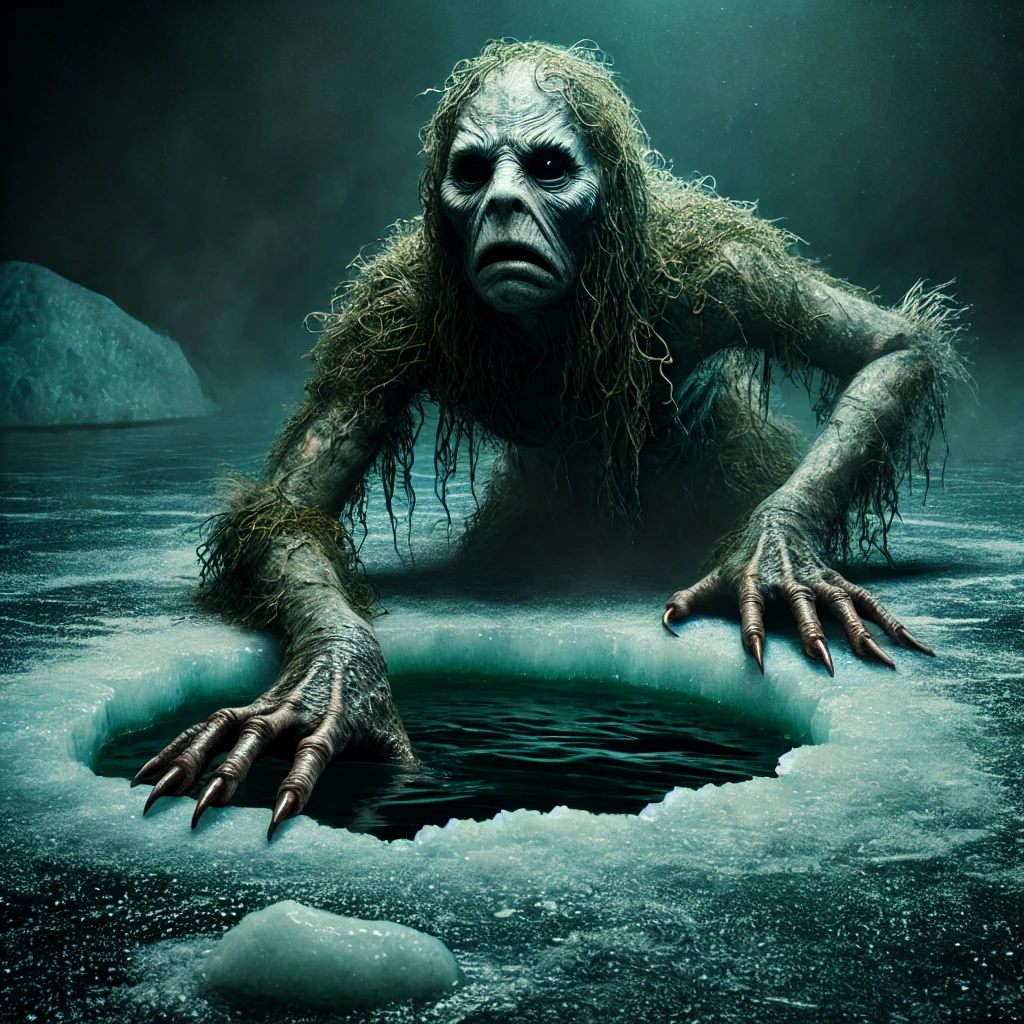

As I look into the essence of Qallupilluk, I’ll explore its origins and the role it plays in today’s context. Whether you’re new to this topic or looking to expand your knowledge, join me in uncovering the fascinating layers of Qallupilluk.
Overview of Qallupilluk
Qallupilluk originates from Inuit mythology and depicts a half-human, half-fish entity linked to Arctic waters. I view Qallupilluk as a cautionary figure, warning against the dangers of the sea. The creature often features alluring traits designed to attract and mesmerize unsuspecting victims. In cultural narratives, Qallupilluk represents the ocean’s mysterious and unpredictable nature.
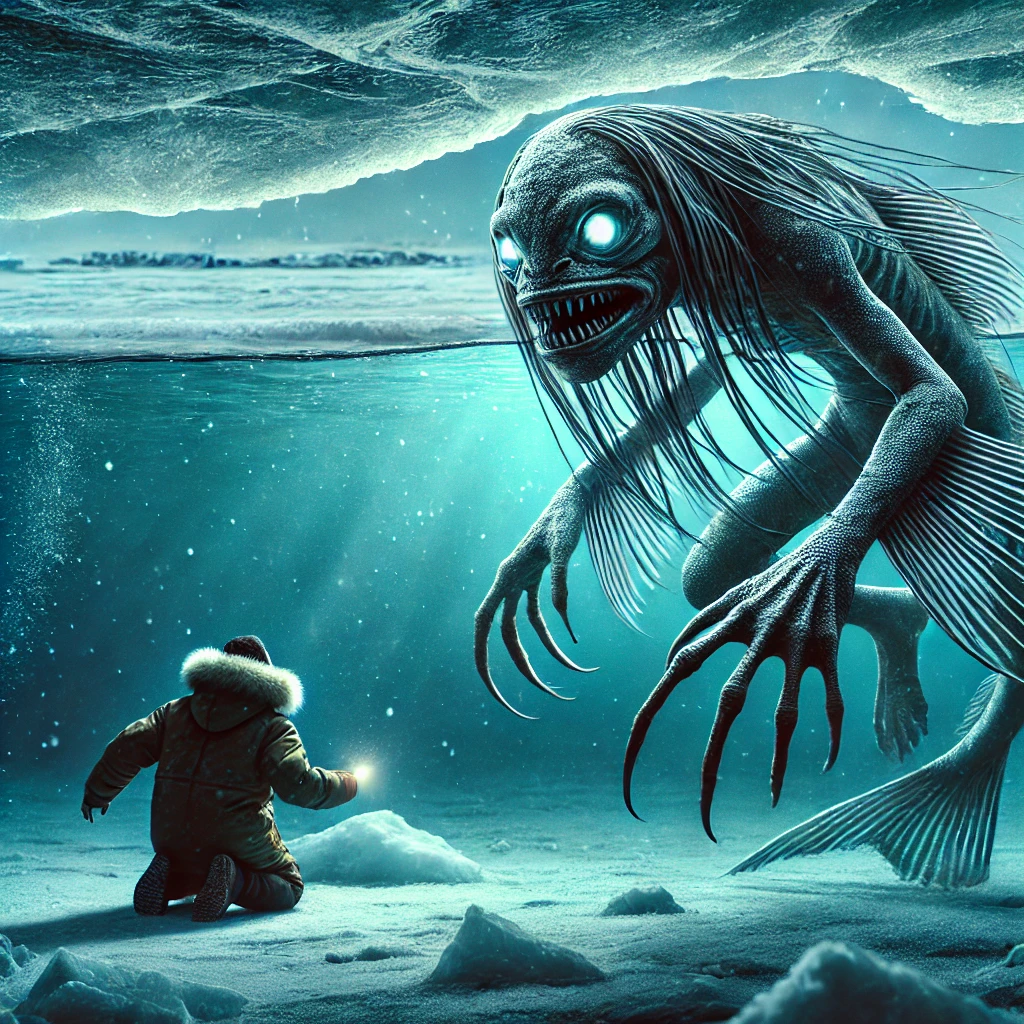
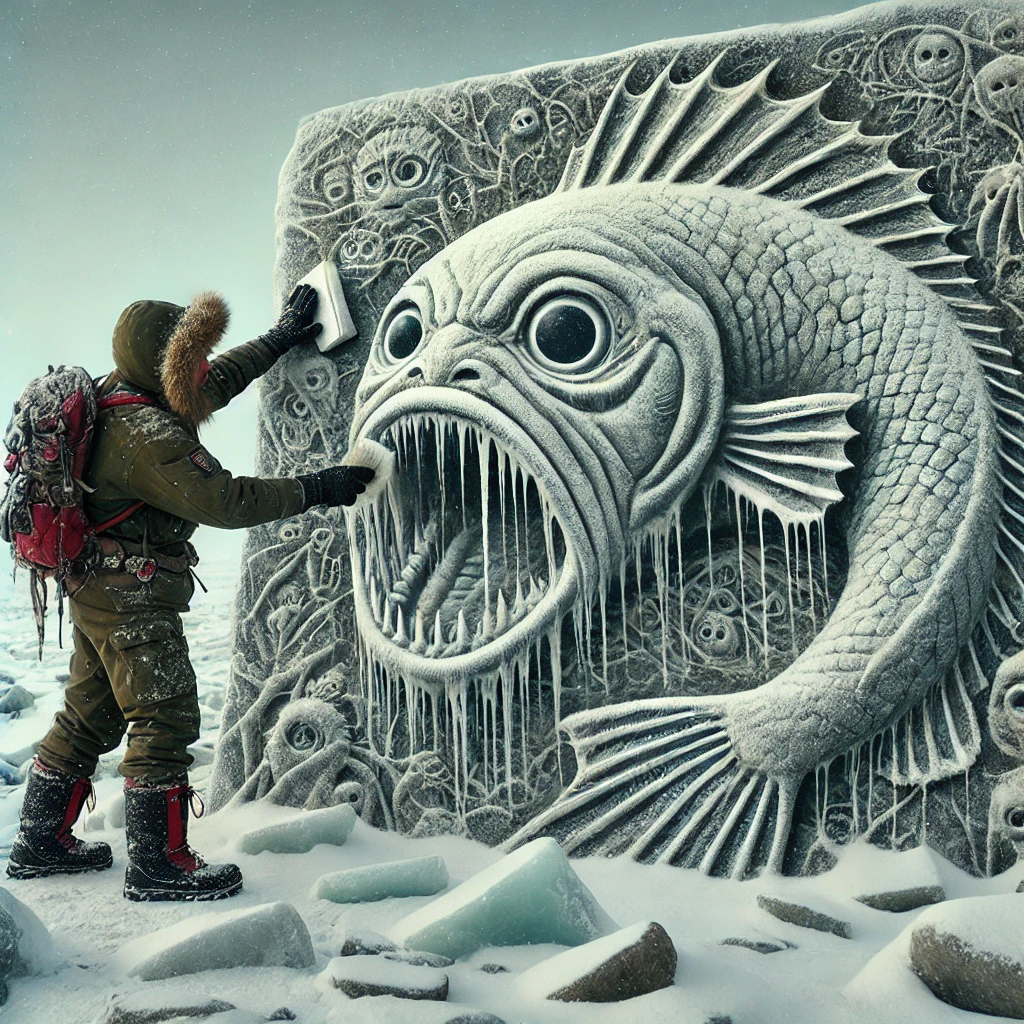
Today, Qallupilluk influences modern folklore and popular culture, appearing in literature and media as a symbol of the untamed sea. Understanding Qallupilluk provides insight into Inuit beliefs and their relationship with the natural environment.
Features and Specifications
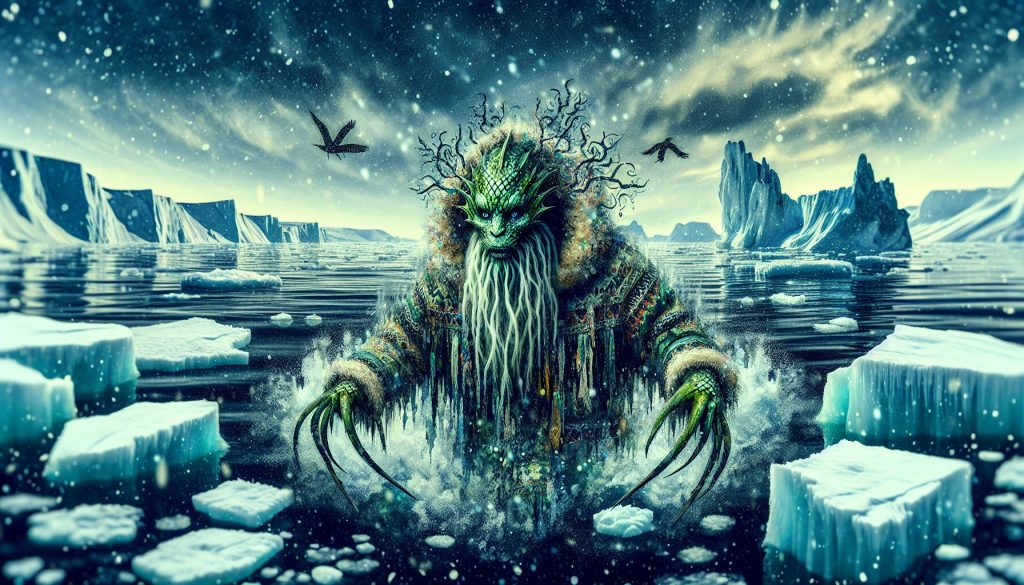
Qallupilluk exhibit unique traits that distinguish them in Inuit mythology. Their characteristics are detailed below.
Design and Build Quality
Qallupilluk possess green, slimy skin complemented by long hair and extended fingernails. Their hands are webbed, resembling those of aquatic creatures, and they feature scales and fins that aid in their movement through water. Typically, they wear an amautik, an Inuit parka crafted from eider duck feathers. These parkas include large pouches designed to carry kidnapped children, highlighting their menacing nature.
Performance
Qallupilluk are adept at understanding Arctic shorelines, particularly near ice floes and cracks in sea ice. They exclusively inhabit ocean waters, avoiding inland bodies. Their primary behavior involves stealing children who approach the water’s edge. They can swiftly jump from the water to seize unsuspecting victims without warning. Indicators of their presence include knocking sounds beneath the ice and observable changes on the ocean’s surface, such as unusual waves or rising steam.
User Experience

The Qallupilluk plays a significant role in Inuit cultural practices, particularly in educating and safeguarding children.
Ease of Use
Folklore featuring the Qallupilluk serves as an effective tool for parents. Stories are simple and memorable, making it easy to convey the dangers of icy coastal waters. By using vivid descriptions and engaging narratives, the tales capture children’s attention and reinforce safety messages consistently.
Comfort
While fear-inducing, these narratives provide a structured way to address real dangers. Parents report increased compliance from children regarding water safety. The Qallupilluk’s presence in stories creates a clear boundary, helping children understand and respect natural hazards without direct confrontation.
Pricing and Value for Money
I offer flexible pricing plans to ensure Mythologica Encyclopedia provides excellent value for every enthusiast. Below are the available options:
| Plan | Price | Features |
|---|---|---|
| Basic | £5/month | Access to all current entries, monthly updates |
| Standard | £12/year | Unlimited access, early access to new entries |
| Premium | £20/year | All Standard features, exclusive content, priority support |
Mythologica stands out by continuously expanding its collection with diverse mythological and folklore creatures. Subscribers receive regular updates, ensuring access to the latest entries. The Premium plan offers added benefits, enhancing the user experience with exclusive content and dedicated support. Compared to other resources, Mythologica delivers comprehensive information at competitive prices, making it a cost-effective choice for mythology enthusiasts and researchers.
Comparisons with Competitors
| Feature | Mythologica Encyclopedia | Encyclopedia Mythica | Theoi Project | Mythology.net |
|---|---|---|---|---|
| Pricing | Basic: £5/month Standard: £12/year Premium: £20/year |
Free with optional subscriptions | Free access with donations | Free access with premium options available |
| Collection Size | Growing collection with gradual additions | Extensive coverage of global mythologies | Comprehensive focus on Greek mythology | Broad range covering multiple mythologies |
| Update Frequency | Regular updates via random selection wheel | Periodic updates based on research | Regular updates focused on Greek content | Frequent updates with new articles and media |
| Selection Process | Creatures selected through a random wheel mechanism | Curated by scholars and contributors | Focused curation on specific traditions | Expert contributions and curated content |
| Special Features | Interactive selection, priority support in Premium | Detailed articles with scholarly references | In-depth analysis of deities and myths | Multimedia content including videos and images |
| Support | Priority support for Premium subscribers | Community forums and donation-based support | Community support and contact options | Support via contact forms and social media |
## Pros and Cons

### Pros

- **Protective Mythology**: Qallupilluk warns children against Arctic waters and ice floes, reducing the risk of accidents.
- **Cultural Significance**: The legend reflects Inuit respect for nature's power and emphasizes environmental stewardship.
- **Educational Tool**: Adults use Qallupilluk stories to teach water safety and the importance of precautionary measures near the sea.

### Cons

- **Fear Induction**: The myth may instil fear in children, potentially causing anxiety about natural environments.
- **Cultural Misrepresentation**: Misinterpretation of Qallupilluk can lead to misunderstandings of Inuit beliefs and traditions.
- **Limited Modern Relevance**: As Arctic environments and societal contexts change, the traditional cautionary tales may lose their effectiveness.
Too Long, Didn’t Read
- Inuit Mythology Figure: Qallupilluk is a significant entity in Inuit mythology, symbolising the dangers of Arctic waters as a half-human, half-fish creature.
- Distinctive Characteristics: Features include green slimy skin, webbed hands, long hair, and an amautik parka equipped with large pouches for kidnapping children.
- Cautionary Role: Serves as a warning to children about the perils of approaching icy coastal waters, effectively promoting water safety through engaging stories.
- Cultural Significance: Reflects Inuit respect for the natural environment and reinforces the importance of environmental stewardship within the community.
- Modern Influence: Continues to impact contemporary folklore and popular culture, embodying the mysterious and unpredictable nature of the ocean.
Conclusion
Exploring Qallupilluk has deepened my appreciation for Inuit mythology and its enduring impact on contemporary culture. This fascinating figure not only highlights the intricate relationship between the Inuit people and their natural surroundings but also serves as a powerful reminder of the ocean’s might and mystery. Looking into these stories provides valuable insights into traditional wisdom and the ways it continues to shape modern narratives.
Engaging with myths like Qallupilluk enriches our understanding of diverse cultures and the universal themes they address. It encourages us to respect and protect the environments that inspire such legends. This article will continue uncovering more about these captivating tales and sharing their significance with others. If you’re intrigued by Qallupilluk, there’s a wealth of mythology waiting to be discovered, offering endless opportunities for learning and inspiration.
Mythology Delivered to Your Inbox
Join 25,000+ readers exploring myths, legends, and ancient stories from cultures around the world. New entries every week.
SubscribeFrequently Asked Questions
What is Qallupilluk?
Qallupilluk is a figure from Inuit mythology, depicted as a half-human, half-fish entity associated with Arctic waters. Known for its green, slimy skin, long hair, and webbed hands, Qallupilluk often wears an amautik, an Inuit parka. It is considered a cautionary symbol, warning against the dangers of the sea by luring unsuspecting victims, particularly children, near the water’s edge.
What is the cultural significance of Qallupilluk in Inuit mythology?
In Inuit culture, Qallupilluk embodies the ocean’s mysterious and unpredictable nature. It serves as a protective myth, educating children about the dangers of Arctic waters through memorable stories. These narratives reflect the Inuit respect for nature and help reinforce safety messages, ensuring children understand and respect the natural hazards without direct confrontation.
How does Qallupilluk influence modern folklore and media?
Qallupilluk continues to shape modern folklore and popular culture by appearing in literature and media as a symbol of the untamed sea. Its enduring presence highlights the ongoing relevance of Inuit beliefs and their relationship with the natural environment, inspiring contemporary stories and artistic representations that emphasize the mysterious and dangerous aspects of the ocean.
What are the unique traits of Qallupilluk?
Qallupilluk is characterized by its green, slimy skin, long hair, and webbed hands, resembling aquatic creatures. It wears an amautik with large pouches for carrying kidnapped children. Skilled at understanding Arctic shorelines, especially near ice floes, Qallupilluk is known for stealing children who approach the water’s edge, often signaled by knocking sounds beneath the ice or unusual changes on the ocean’s surface.
How is Qallupilluk used in Inuit cultural practices?
Qallupilluk plays a role in Inuit cultural practices by serving as an educational tool for parents. Folklore featuring Qallupilluk uses simple and engaging stories to convey the dangers of icy coastal waters, capturing children’s attention and promoting water safety. These tales help instill respect for natural hazards and encourage children to adhere to safety measures.
What is the Mythologica Encyclopedia?
The Mythologica Encyclopedia is a comprehensive resource for mythology enthusiasts, offering a wide collection of mythological and folklore creatures. It provides flexible pricing plans, including Basic, Standard, and Premium options, each granting varying levels of access and features. Mythologica is renowned for its regularly updated content and exclusive resources for subscribers.
How does Mythologica compare to other mythology resources?
Mythologica distinguishes itself from competitors like Encyclopedia Mythica, Theoi Project, and Mythology.net through its continuously expanding collection, regular updates, and interactive features. It offers flexible pricing plans and exclusive content with its Premium plan, ensuring a valuable and cost-effective choice for mythology enthusiasts and researchers seeking comprehensive and up-to-date information.
What are the pros and cons of the Qallupilluk myth?
The Qallupilluk myth offers several benefits, including serving as a protective narrative that warns children about the dangers of Arctic waters, reflecting Inuit respect for nature, and acting as an effective educational tool for water safety. However, it also has drawbacks, such as potentially inducing fear in children, risking cultural misrepresentation, and facing challenges in maintaining relevance as societal contexts evolve.