Norse mythology is the pre-Christian belief system of the Scandinavian and Germanic peoples, preserved in the Prose Edda and Poetic Edda. It describes a cosmos structured around the world tree Yggdrasil, with nine realms from Asgard (home of the gods) to Hel (realm of the dead). Norse myths are characterised by a fatalistic worldview, culminating in Ragnarok, the prophesied destruction and rebirth of the world.
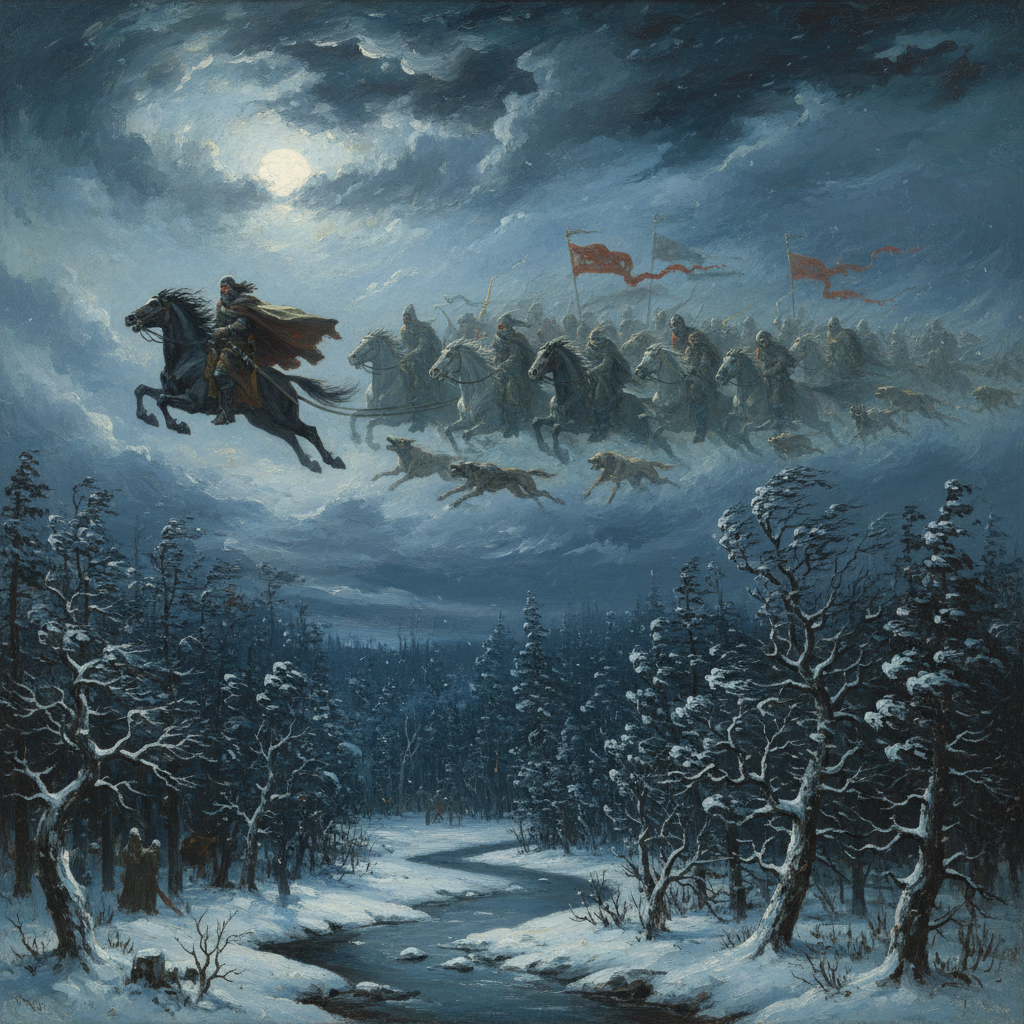
Odin and the Wild Hunt: The Ghostly Cavalcade of Norse Winter

Skadi: The Norse Goddess of Winter, Mountains, and the Hunt

Thor and Mjolnir: The Norse Thunder God and His Hammer

Loki: The Trickster God of Norse Mythology

Hodur: The Blind Norse God Who Killed Baldur

Bifrost: The Rainbow Bridge of Norse Mythology
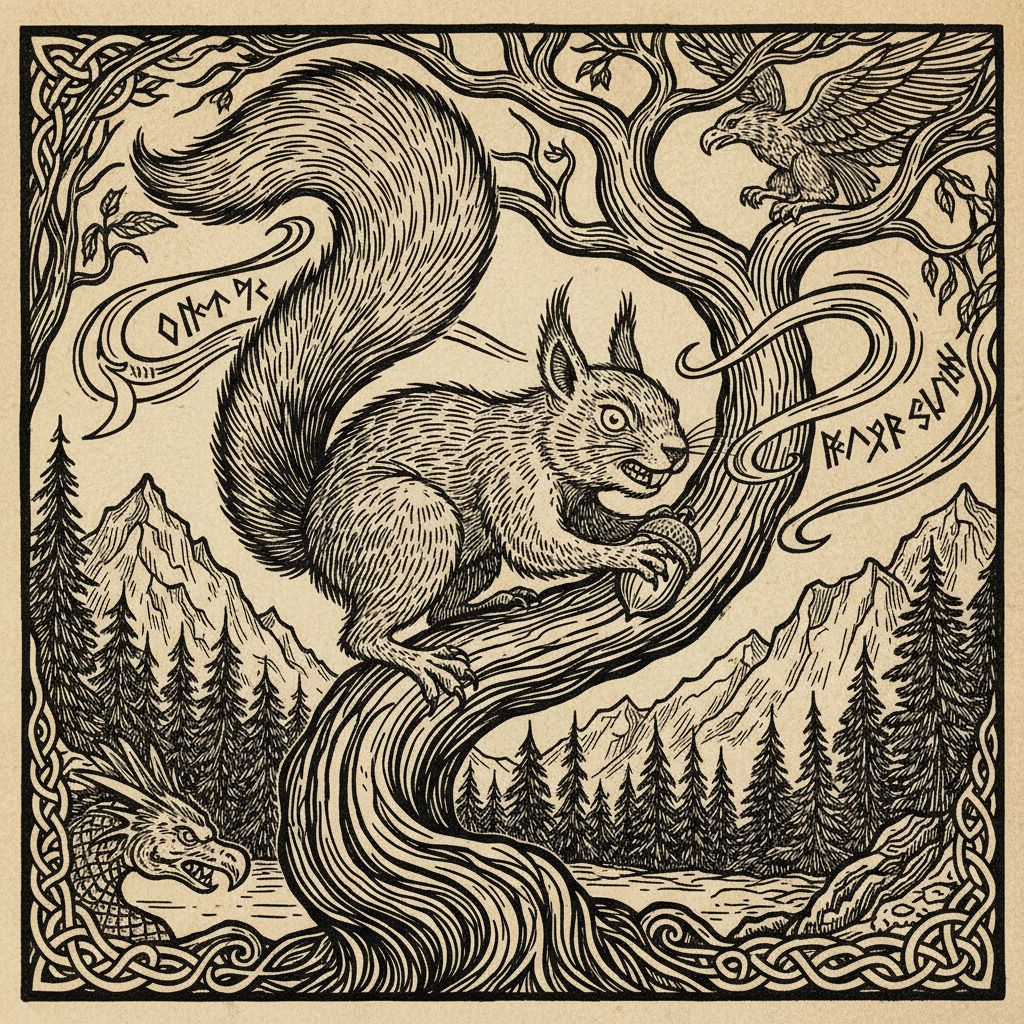
Ratatosk
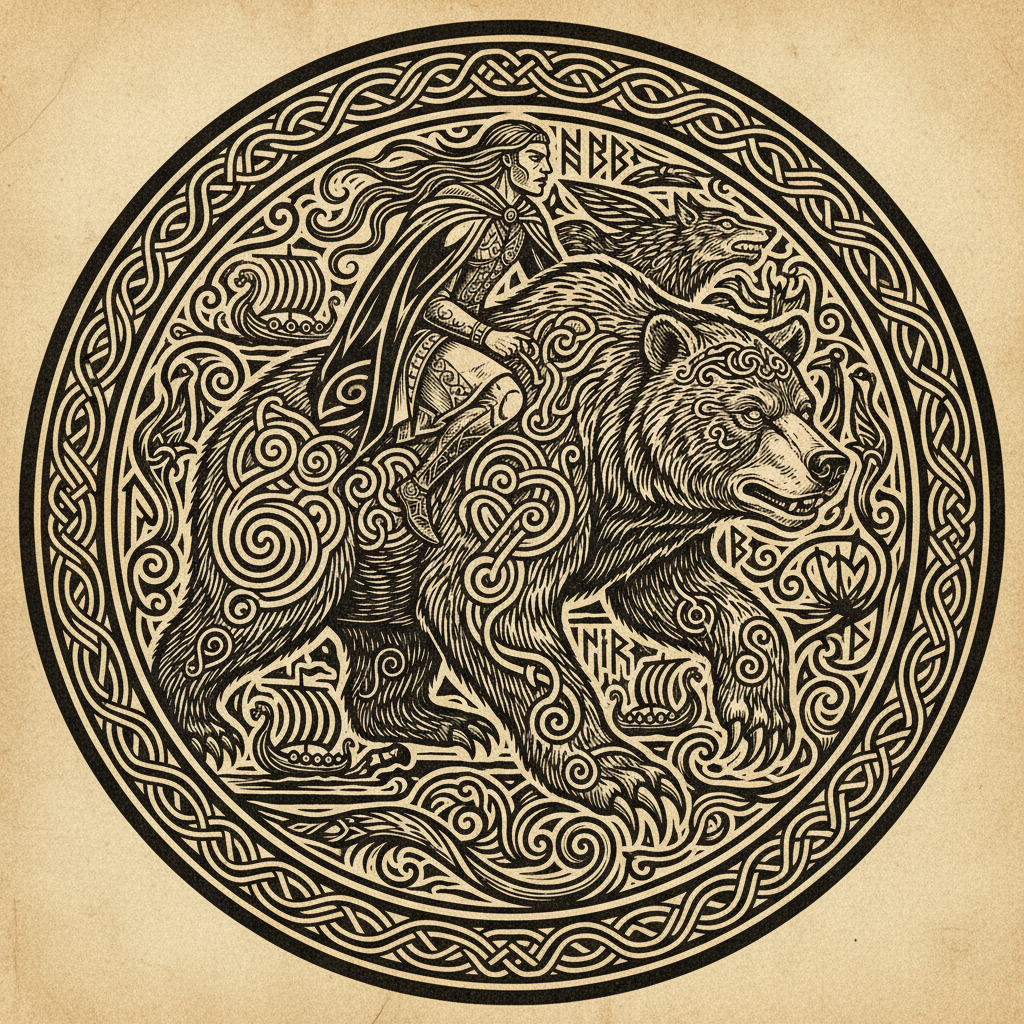
Fylgja
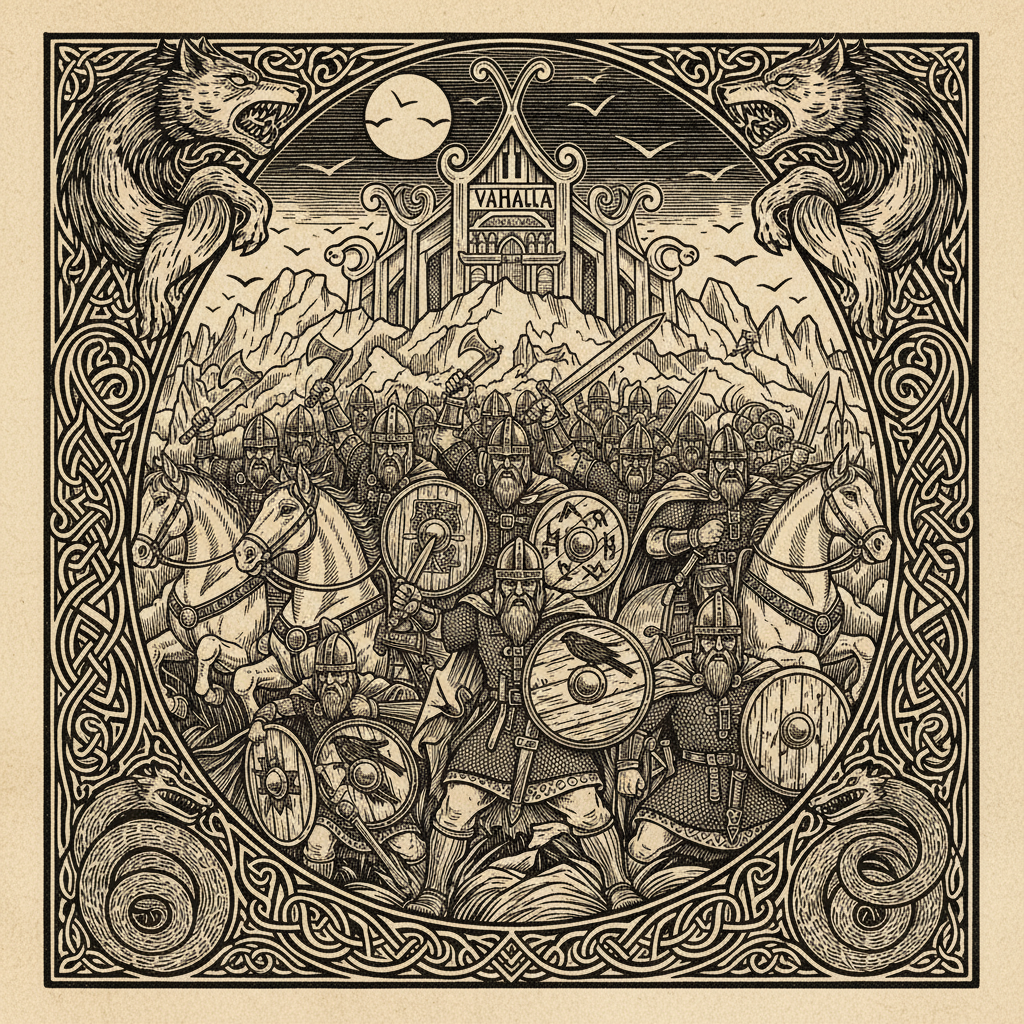
Einherjar

Alfheim
Latest Blog
Frequently Asked Questions
What are the nine realms of Norse mythology?
The nine realms are connected by the world tree Yggdrasil. Asgard is home to the Aesir gods (Odin, Thor, Frigg). Vanaheim is home to the Vanir gods (Freya, Njord, Freyr). Midgard is the human world. Jotunheim is the land of the giants. Alfheim is the realm of the light elves. Svartalfheim (or Nidavellir) is home to the dwarves. Niflheim is the primordial world of ice. Muspelheim is the primordial world of fire. Helheim is the realm of the dead, ruled by the goddess Hel.
Who are the main Norse gods?
The Norse pantheon is divided into two families: the Aesir and the Vanir. Major Aesir gods include Odin (the Allfather, god of wisdom, war, and death), Thor (god of thunder and protector of humanity), Tyr (god of law and justice), Baldur (god of light and purity), and Loki (the trickster, technically a giant adopted by the gods). Major Vanir gods include Freya (goddess of love, war, and magic), Freyr (god of fertility and prosperity), and Njord (god of the sea and wind).
What is Ragnarok?
Ragnarok ("Twilight of the Gods") is the Norse prophecy of the end of the world. It begins with Fimbulwinter, three consecutive winters with no summer. The great wolf Fenrir breaks free and swallows the sun. The world serpent Jormungandr rises from the ocean. The fire giant Surtr leads an army from Muspelheim. In the final battle, Odin is swallowed by Fenrir, Thor kills Jormungandr but dies from its venom, and the world sinks into the sea. But Ragnarok is not the end: the world rises again from the water, green and fertile, and the surviving gods and two humans begin again.
What is Yggdrasil?
Yggdrasil is the immense ash tree at the centre of Norse cosmology, connecting all nine realms. Its branches reach into the heavens, its trunk passes through Midgard, and its three roots extend to the wells of wisdom, fate, and the underworld. The tree is home to several creatures: the eagle Vidofnir perches in its crown, the dragon Nidhogg gnaws at its roots, and the squirrel Ratatosk carries insults between them. Three Norns (fate goddesses) tend the tree at the Well of Urd. Yggdrasil is constantly threatened but sustains all existence.
Who are the Valkyries?
Valkyries ("choosers of the slain") are female figures who serve Odin by selecting which warriors die in battle and which survive. They carry the worthy dead to Valhalla, Odin's great hall, where the fallen feast and fight daily in preparation for Ragnarok. In earlier Norse tradition, Valkyries were fearsome supernatural beings closely associated with death and battle frenzy. Later medieval sources romanticised them into beautiful shield-maidens. Famous Valkyries include Brynhild, whose story is central to the Volsung Saga.
What is Valhalla?
Valhalla ("hall of the slain") is Odin's enormous hall in Asgard, with 540 doors, a roof thatched with golden shields, and walls lined with spears. Warriors chosen by the Valkyries (called Einherjar) feast on the boar Saehrimnir (which regenerates each day) and drink mead from the goat Heidrun. By day, they fight and kill each other in the training grounds, rising whole each evening to feast again. This cycle prepares them for the final battle of Ragnarok. Valhalla was reserved for warriors who died in combat; others went to the goddess Hel's realm.
What is the difference between the Aesir and the Vanir?
The Aesir and Vanir are two families of Norse gods. The Aesir (Odin, Thor, Tyr, Baldur) are associated with war, power, and sovereignty. The Vanir (Freya, Freyr, Njord) are associated with fertility, nature, and magic. According to myth, the two groups fought a war that ended in a truce, with hostages exchanged between them. This myth may reflect the merging of two different religious traditions in ancient Scandinavia: a warrior-aristocratic tradition (Aesir) and an agricultural-fertility tradition (Vanir).
How did Vikings actually practise Norse religion?
Norse religion was practised through rituals (blot), festivals, and daily observances rather than through temples and priests in the Christian sense. Blot involved animal sacrifice and the sharing of food and drink with the gods. Major festivals aligned with the agricultural calendar: Yule (midwinter), Sigrblot (spring), and Vetrnaetr (winter nights). Worship often took place at outdoor sacred sites (groves, springs, notable rocks) rather than enclosed buildings, though some larger temples did exist. Individual households maintained small shrines and made offerings to the gods, ancestors, and land spirits (landvaettir).
How did Norse mythology end historically?
Norse mythology declined as Scandinavia converted to Christianity between the 9th and 12th centuries CE. Conversion was often a political process rather than a spiritual one, driven by kings who saw Christianity as a tool for consolidating power and establishing diplomatic ties with Christian Europe. The old gods were gradually recast as demons, trolls, or historical figures. However, many pre-Christian beliefs survived as folk customs, superstitions, and seasonal traditions. The Eddas, which preserve most of our knowledge of Norse mythology, were written down by Christians in medieval Iceland, likely saving the myths from complete loss.
How has Norse mythology influenced modern culture?
Norse mythology permeates modern Western culture. The days Tuesday (Tyr), Wednesday (Odin/Woden), Thursday (Thor), and Friday (Frigg/Freya) are named after Norse gods. Tolkien's Lord of the Rings drew extensively from Norse sources (dwarves, elves, dragons, a magical ring, a one-eyed wanderer). Marvel's Thor franchise has made Norse mythology globally recognisable. Video games (God of War, Assassin's Creed Valhalla, Skyrim) regularly feature Norse themes. Viking aesthetic has influenced metal music, fashion, and tattoo culture. Norse symbols like the Valknut, Vegvisir, and Mjolnir are widely used.