African folklore spans the entire continent, encompassing thousands of distinct traditions from the Yoruba Orishas of West Africa to the ancestor spirits of Southern Africa. These stories were passed down through oral tradition by griots, elders, and storytellers for millennia. African mythology features trickster figures like Anansi the spider, powerful deities like Shango the thunder god and Oshun the river goddess, and creatures like the Grootslang and Kongamato that blur the line between the natural and supernatural.




Latest Blog
Frequently Asked Questions
How many different mythological traditions exist in Africa?
Africa has thousands of distinct mythological traditions, reflecting the continent's extraordinary cultural diversity. With over 3,000 ethnic groups and 2,000 languages, there is no single "African mythology." Major traditions include the Yoruba of Nigeria, the Zulu of South Africa, the Dogon of Mali, the Ashanti of Ghana, the Maasai of East Africa, and the Egyptian tradition of North Africa. Each has its own creation stories, deities, and spiritual practices.
What are the Orishas?
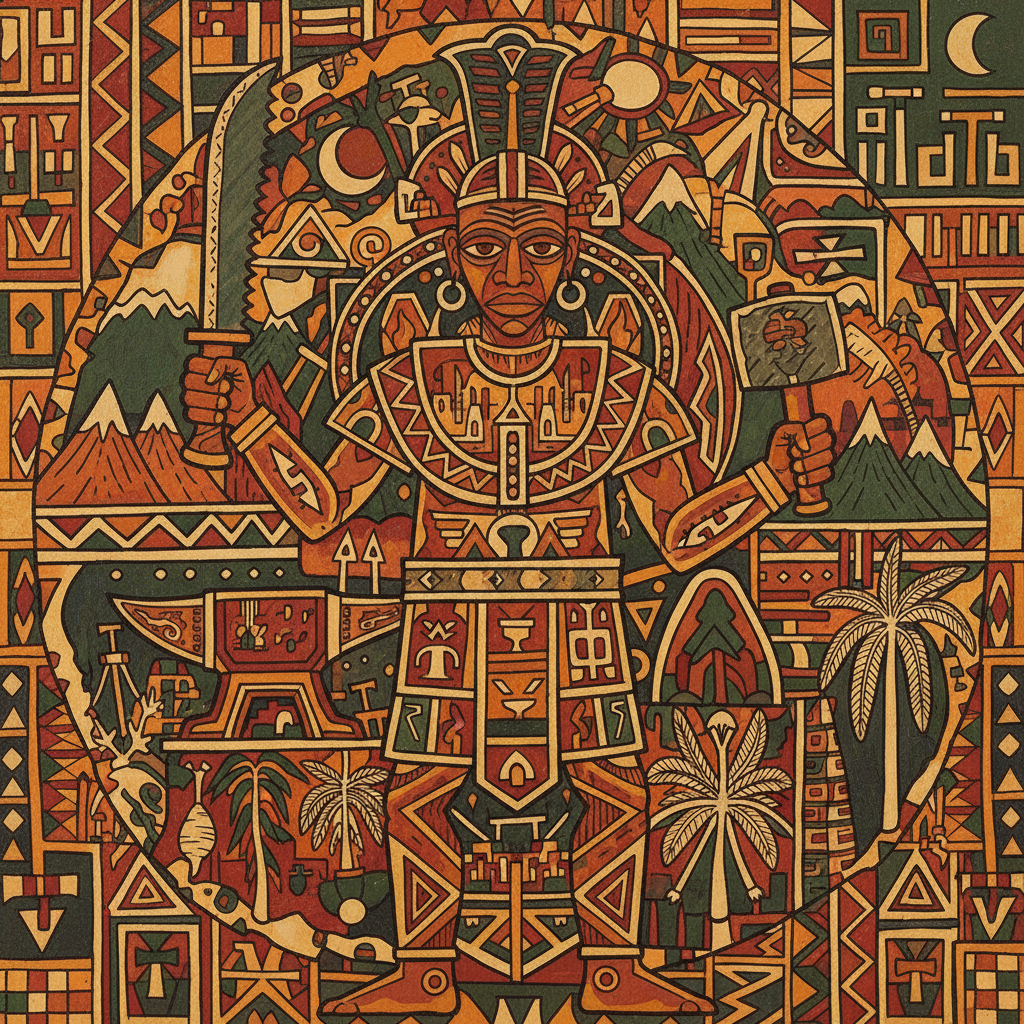
The Orishas are deities in the Yoruba religion originating from West Africa. Each Orisha governs a specific domain of nature or human experience. Major Orishas include Shango (thunder), Oshun (rivers and love), Ogun (iron and war), Yemoja (the ocean), and Eshu (crossroads and communication). The Orisha tradition spread to the Americas through the transatlantic slave trade, where it evolved into Candomble in Brazil, Santeria in Cuba, and Vodou in Haiti.
Who is Anansi and why is the spider important?
Anansi is a trickster figure from Akan folklore in Ghana, depicted as a spider or a man who takes spider form. Anansi uses wit and cunning to outsmart stronger opponents, and his stories often carry moral lessons about intelligence, greed, and humility. Anansi stories are among the best-known African folktales worldwide and travelled to the Caribbean and Americas through the African diaspora, where they became foundational to storytelling traditions in Jamaica, the American South, and beyond.
What is the role of ancestors in African spirituality?
Ancestor veneration is central to many African spiritual traditions across the continent. The dead are not considered gone but continue to exist as spirits who influence the living. Ancestors are honoured through rituals, offerings, prayers, and ceremonies. They provide protection, guidance, and blessings, and disrespecting them can bring misfortune. Many African cultures maintain shrines or sacred spaces dedicated to ancestral communication.
What is a griot?
A griot (also called a jeli or djeli) is a West African oral historian, storyteller, musician, and keeper of cultural knowledge. Griots memorise and perform the histories, genealogies, and mythological stories of their communities. The tradition is hereditary, passed from parent to child. Griots serve as living libraries, preserving centuries of history, mythology, and cultural wisdom in societies where written records were not the primary form of knowledge storage.
What are African trickster figures?
Trickster figures appear across African mythology in many forms. Anansi the spider (West Africa), Eshu/Elegba (Yoruba), Hare (East and Southern Africa), and Jackal (Southern Africa) are among the most well-known. These characters use cleverness, deception, and sometimes selfishness to navigate the world. Their stories entertain while teaching lessons about the consequences of greed, the value of intelligence, and the unpredictability of life.
How did African mythology influence religions in the Americas?
The transatlantic slave trade forcibly transported millions of Africans to the Americas, and they carried their spiritual traditions with them. These traditions adapted and blended with Christianity and indigenous American beliefs to create new religions: Vodou in Haiti, Candomble and Umbanda in Brazil, Santeria in Cuba, and Obeah in the Caribbean. The Yoruba Orishas, in particular, survived nearly intact, with Shango, Oshun, and Yemoja still worshipped by millions across the Americas today.
What are some common themes in African creation stories?
African creation stories vary enormously, but common themes include: a supreme creator god who is often distant from daily human affairs; the origin of death (many cultures tell stories about why humans became mortal); the separation of heaven and earth; the role of animals in shaping the world; and the establishment of social order, marriage, and agricultural practices. Many traditions describe creation as an ongoing process rather than a single event.
What supernatural creatures appear in African folklore?
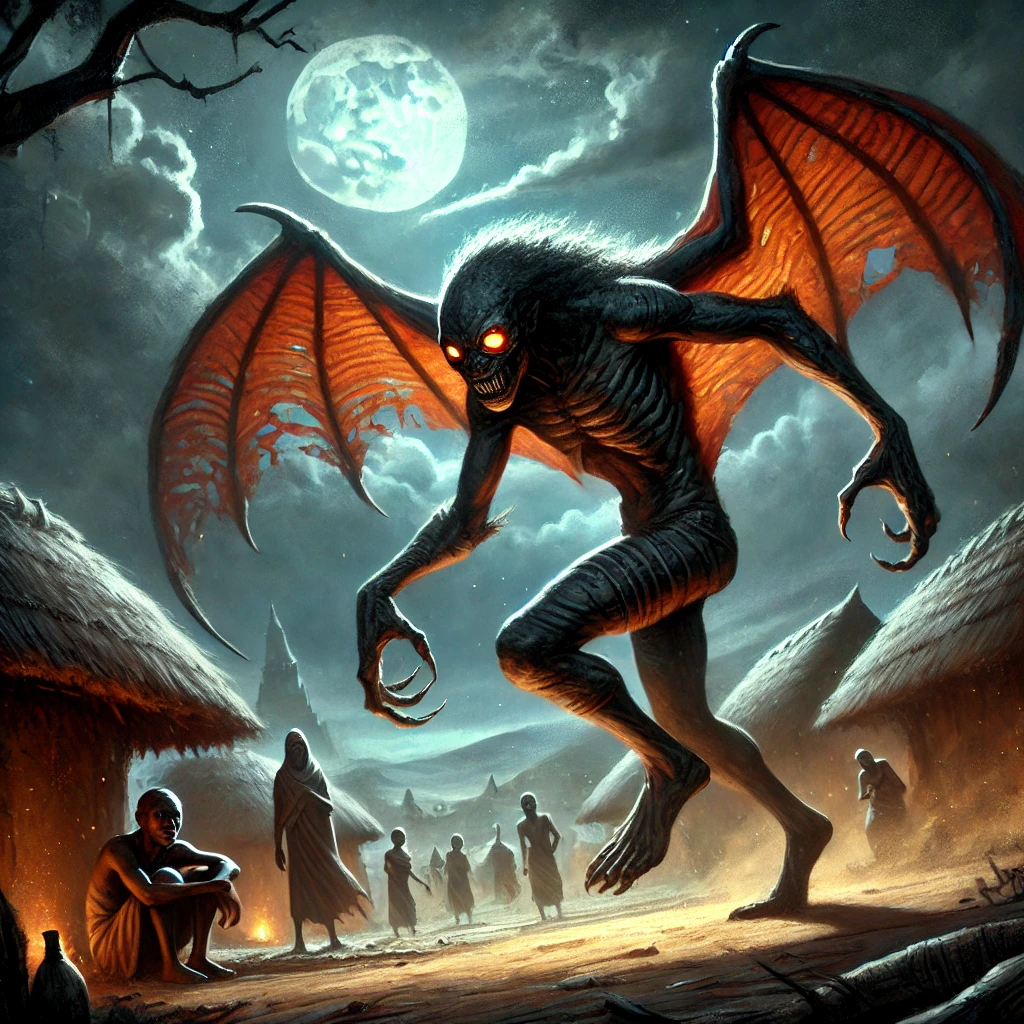
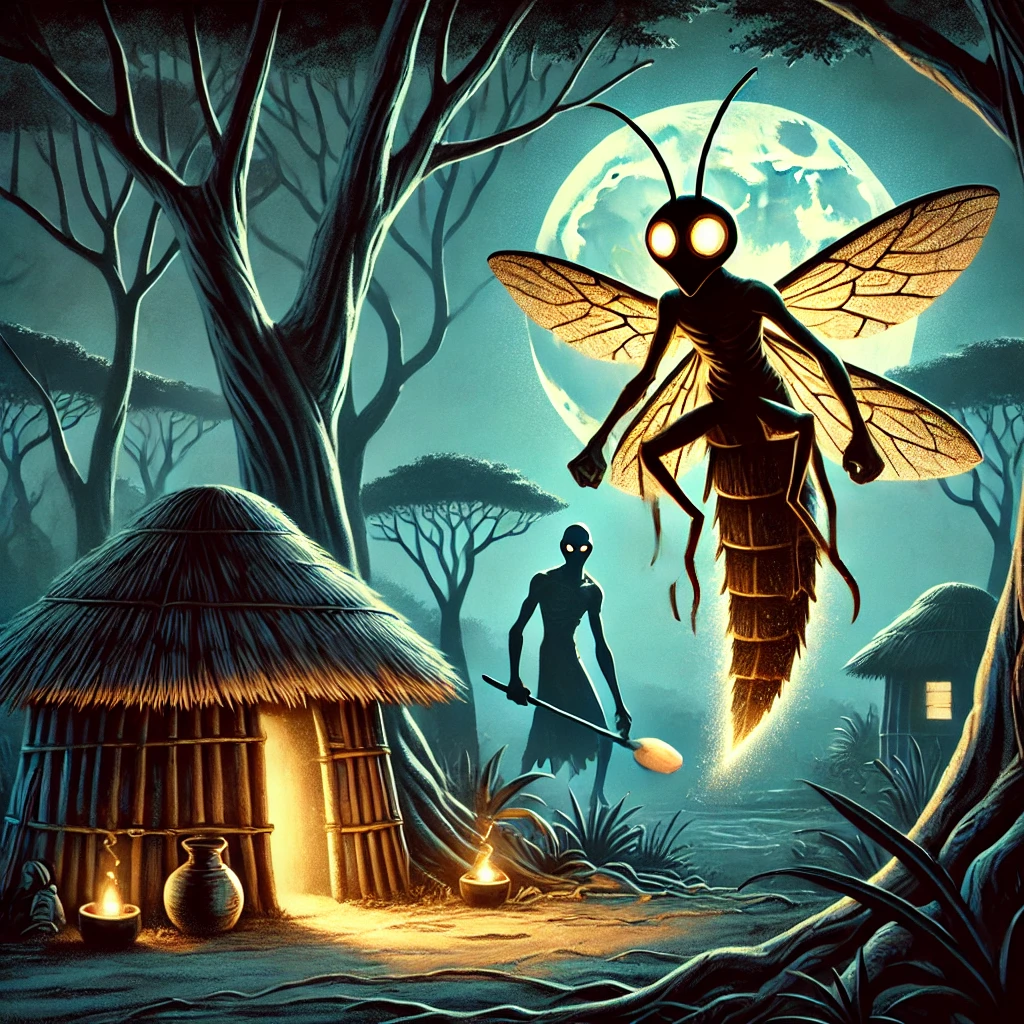
African folklore features a rich bestiary of supernatural creatures. These include the Tokoloshe (a mischievous dwarf-like being from Zulu tradition), the Adze (a firefly vampire from Ewe folklore), Mami Wata (a water spirit found across West and Central Africa), the Grootslang (a massive serpent from South African legend), Popobawa (a bat-like spirit from Zanzibar), and the Kongamato (a pterodactyl-like flying creature from Zambia).
Is African mythology still practised today?
Yes. African traditional religions and their diaspora offshoots are practised by hundreds of millions of people worldwide. Yoruba religion alone has an estimated 100 million adherents globally. Many African communities maintain traditional beliefs alongside Christianity or Islam, creating syncretic practices. Traditional healers, diviners, and spiritual leaders continue to play important roles in communities across the continent.