European folklore encompasses centuries of myth and legend from Celtic Ireland to the Slavic forests of Russia, from the Nordic fjords to the Mediterranean coast. This tradition gave the world banshees, selkies, vampires, werewolves, Baba Yaga, and the Wild Hunt. European folklore is deeply rooted in the landscape, with every river, mountain, and forest believed to harbour spirits.

The Three Ice Saints: Pancratius, Servatius, Bonifatius and the Last Frost

Stingy Jack: The Irish Folk Tale Behind the Jack-o-Lantern
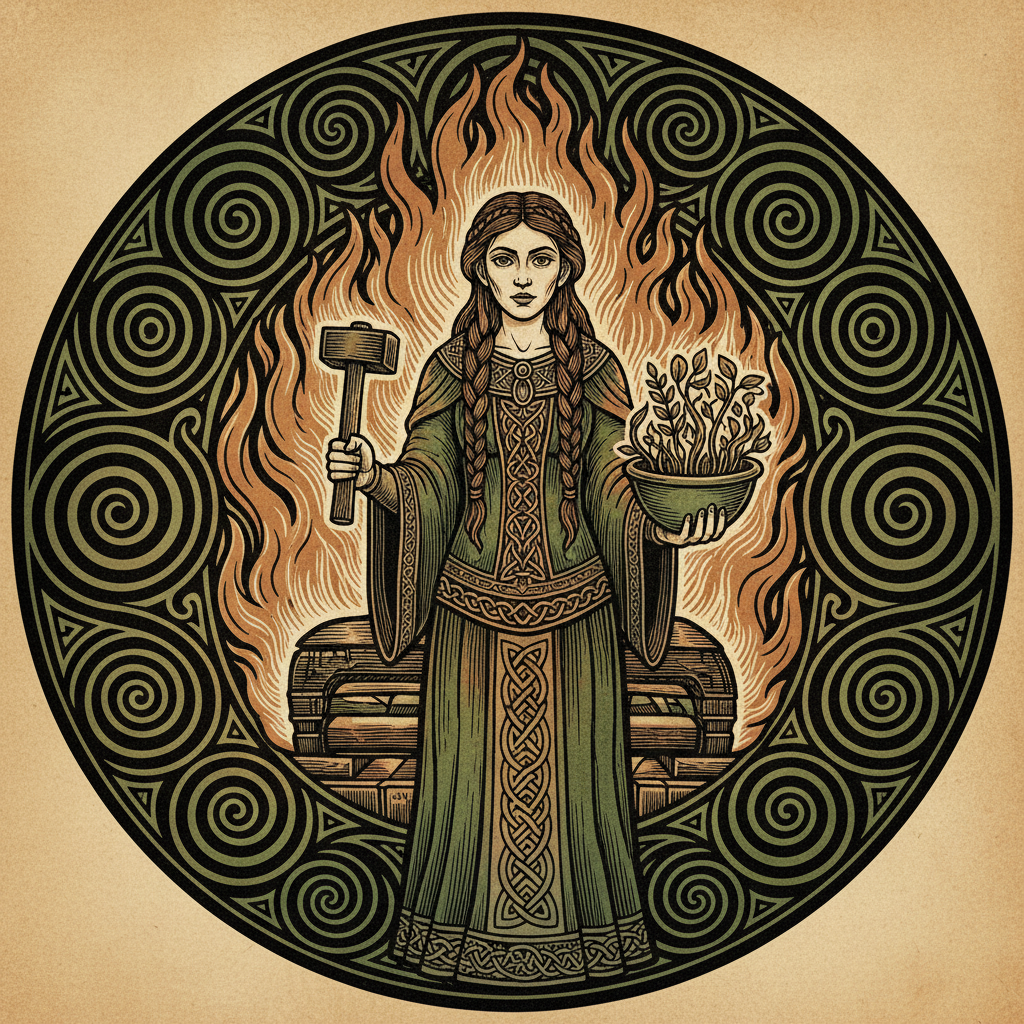
Brigid and Imbolc: The Celtic Goddess of Fire, Poetry, and the Spring Festival

Eostre: The Anglo-Saxon Goddess of Spring and the Dawn

Basilisk

Kikimora
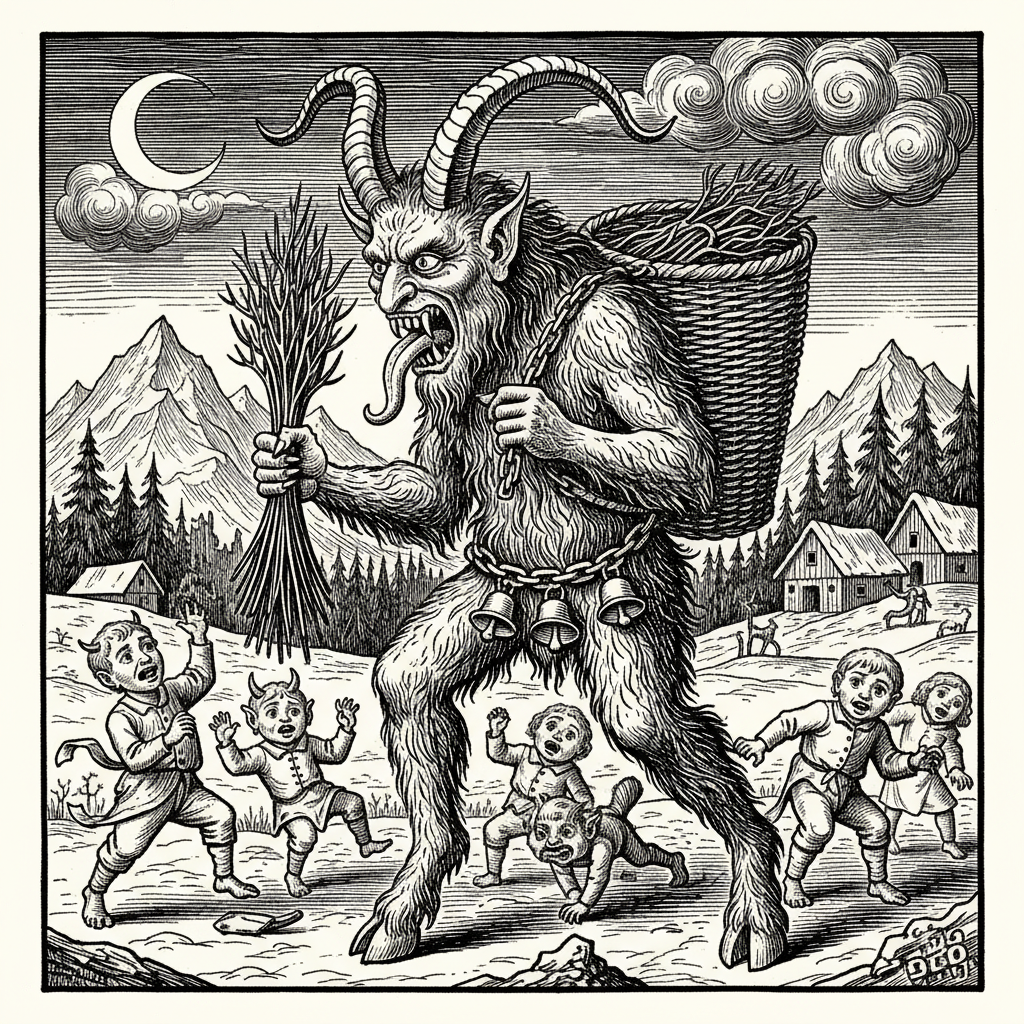
Krampus

Melusine
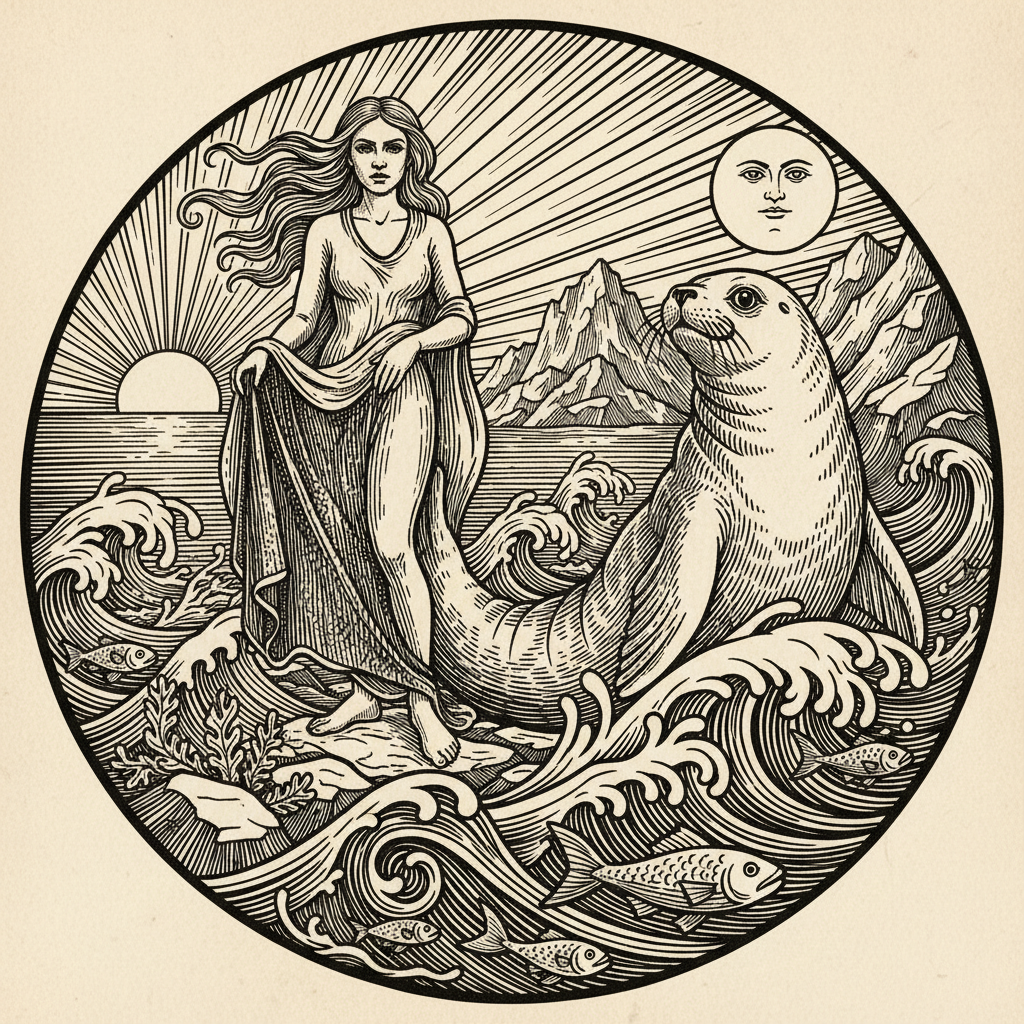
Selkie
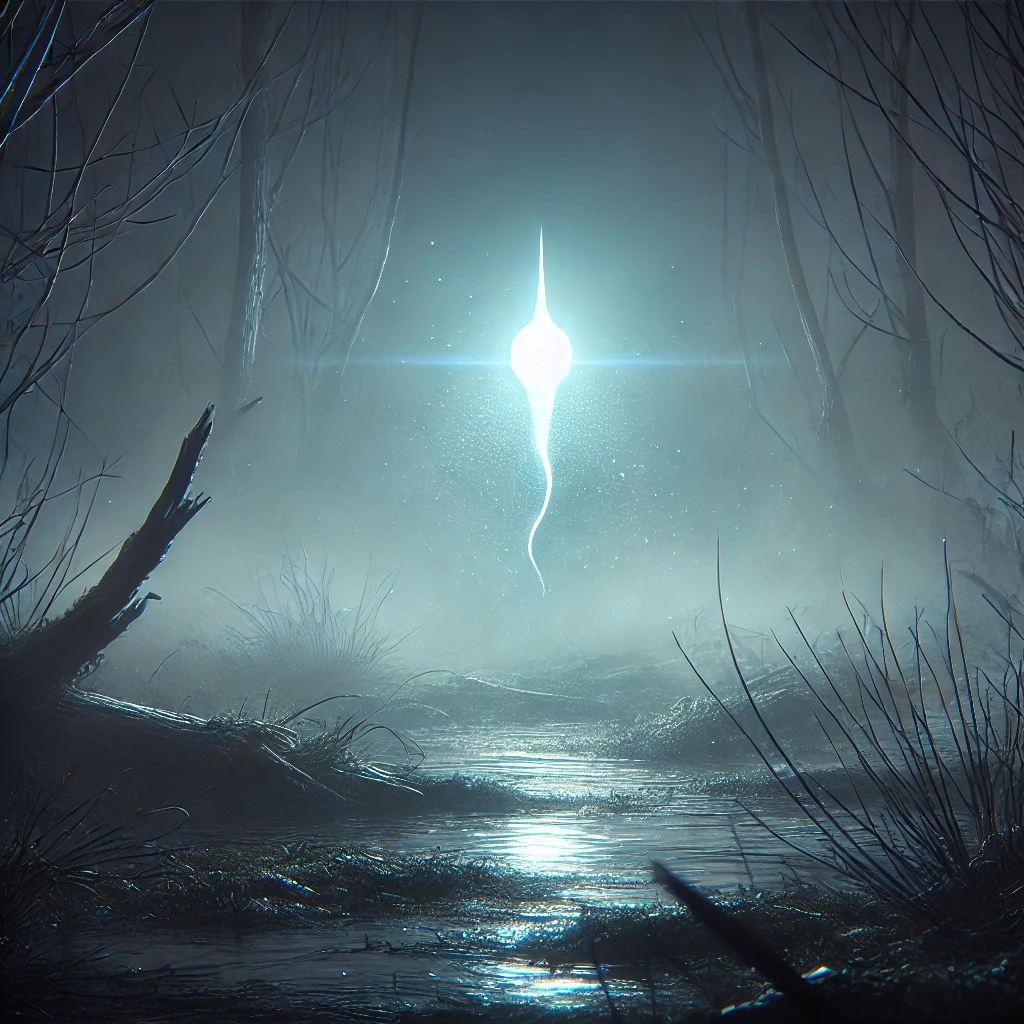
Will-o’-wisp
Latest Blog
Frequently Asked Questions
What is the difference between a myth, a legend, and a folktale?
Myths are sacred narratives that explain the origins of the world and fundamental truths about existence, usually involving gods. Legends are stories believed to be grounded in historical events or real people, though embellished over time (King Arthur, Robin Hood). Folktales are fictional stories told for entertainment or moral instruction, featuring stock characters like tricksters, witches, and talking animals. In practice, these categories blur constantly. A story can function as myth in one context and folktale in another.
What are fairies in European folklore?
Fairies in traditional European folklore are very different from the tiny winged creatures of modern children's stories. In Celtic and British traditions, fairies (also called the fae, sidhe, or fair folk) are powerful supernatural beings who live in a parallel realm. They can be helpful or dangerous, and crossing them risks madness, abduction, or death. Many fairy traditions originate from pre-Christian beliefs about nature spirits, ancestors, or fallen angels. Iron, running water, and certain herbs were believed to offer protection against them.
Where do vampire legends come from?
Vampire legends exist across Europe but are strongest in Slavic and Balkan traditions. The Romanian strigoi, the Serbian vampir (the origin of the English word), and the Greek vrykolakas all describe reanimated corpses that feed on the living. These beliefs were taken seriously well into the 18th century, with documented cases of bodies being exhumed and staked. Modern vampire fiction, starting with Bram Stoker's Dracula (1897), drew heavily on Romanian and Hungarian folklore but added many elements that have no basis in traditional belief.
What is the Wild Hunt?
The Wild Hunt is one of the most widespread legends in European folklore. It describes a ghostly procession of spectral riders, horses, and hounds that races across the night sky, usually during winter storms. The leader varies by region: Odin in Scandinavia, Herne the Hunter in England, King Arthur in Wales, and various historical or legendary figures elsewhere. Encountering the Wild Hunt was extremely dangerous. Witnesses risked being swept away, driven mad, or killed.
What are the origins of werewolf legends?
Werewolf beliefs are ancient, appearing in Greek mythology (Lycaon), Norse saga (Ulfhednar warriors), and across medieval Europe. In some traditions, transformation was voluntary (using a wolf skin belt or magical ointment). In others, it was a curse or divine punishment. During the European witch trial era (15th-17th centuries), werewolf trials ran parallel to witch trials, with accused individuals tortured into confessing to transformation and murder. Medical explanations for the belief include hypertrichosis, rabies, and ergot poisoning.
Who is Baba Yaga?
Baba Yaga is a witch figure from Slavic folklore who lives in a hut that stands on chicken legs and is surrounded by a fence of human bones. She flies through the air in a giant mortar, steering with a pestle. Baba Yaga is morally ambiguous. In some stories she helps heroes who approach her with proper respect. In others, she eats children. She represents the wild, untamed forces of nature and the threshold between the civilised world and the wilderness, between life and death.
What are selkies?
Selkies are shape-shifting beings from Celtic and Norse folklore (particularly Scottish, Irish, and Icelandic traditions) who live as seals in the sea but can shed their skin to take human form on land. The most common story involves a man who steals a female selkie's skin, forcing her to remain on land as his wife. Years later, she finds the hidden skin and returns to the sea, leaving her family behind. These stories explore themes of captivity, longing, the cost of love between different worlds, and the call of wild nature.
How did Christianity change European folklore?
Christianity profoundly reshaped European folklore over centuries. Many pre-Christian gods and spirits were reinterpreted as saints, demons, or fairies. Sacred springs became holy wells. Seasonal festivals were absorbed into the Christian calendar (Yule became Christmas, Ostara influenced Easter). Some pre-Christian beings were demonised: the horned Celtic god Cernunnos likely influenced later depictions of the Devil. But many folk beliefs survived alongside Christianity, creating a rich syncretic tradition that persists in folk customs, superstitions, and seasonal celebrations.
What is the significance of forests in European folklore?
Forests are among the most powerful symbols in European folklore, representing wilderness, danger, transformation, and the unknown. In fairy tales, the forest is where civilisation ends and the supernatural begins. Characters enter forests to face trials, encounter witches, and undergo transformation. This symbolism reflects historical reality: medieval European forests were genuinely dangerous places, home to wolves, outlaws, and (in the popular imagination) supernatural threats. The German concept of "Waldeinsamkeit" (forest solitude) captures the unique emotional quality forests held in European culture.
Are European folklore traditions still alive today?
Yes. Many European folklore traditions survive as living cultural practices. Krampus processions take place across Alpine regions every December. Midsummer celebrations with bonfires and folk rituals continue throughout Scandinavia. The Irish storytelling tradition (seanchai) is experiencing a revival. Morris dancing in England, Carnival traditions across Southern Europe, and mummers' plays all preserve pre-industrial folklore. Modern fantasy literature and gaming (from Tolkien to The Witcher) draw heavily on European folklore, ensuring these stories continue to evolve and reach new audiences.