Aboriginal Australian folklore is one of the oldest living storytelling traditions on Earth, stretching back over 65,000 years. These stories, collectively known as the Dreamtime or Tjukurpa, explain the creation of the land, the laws that govern human behaviour, and the spiritual connections between people, animals, and the natural world. From the Rainbow Serpent who carved out rivers and valleys to Bunjil the eagle who shaped the sky, Aboriginal mythology is inseparable from the Australian landscape itself.





Latest Blog
Frequently Asked Questions
What is the Dreamtime in Aboriginal culture?
The Dreamtime (also called Tjukurpa, Jukurrpa, or The Dreaming) is the foundational spiritual framework of Aboriginal Australian culture. It describes the era when ancestral beings shaped the land, created life, and established the laws that govern existence. The Dreamtime is not a past event that ended. It is an ongoing reality that connects the past, present, and future. Every rock, river, and animal carries Dreamtime significance.
How old is Aboriginal folklore?
Aboriginal Australian culture is the oldest continuous culture on Earth, with evidence of habitation dating back at least 65,000 years. Some Dreamtime stories are believed to encode memories of real geological events, such as sea level rises at the end of the last Ice Age over 10,000 years ago, making them among the oldest oral histories ever recorded.
Who is the Rainbow Serpent?
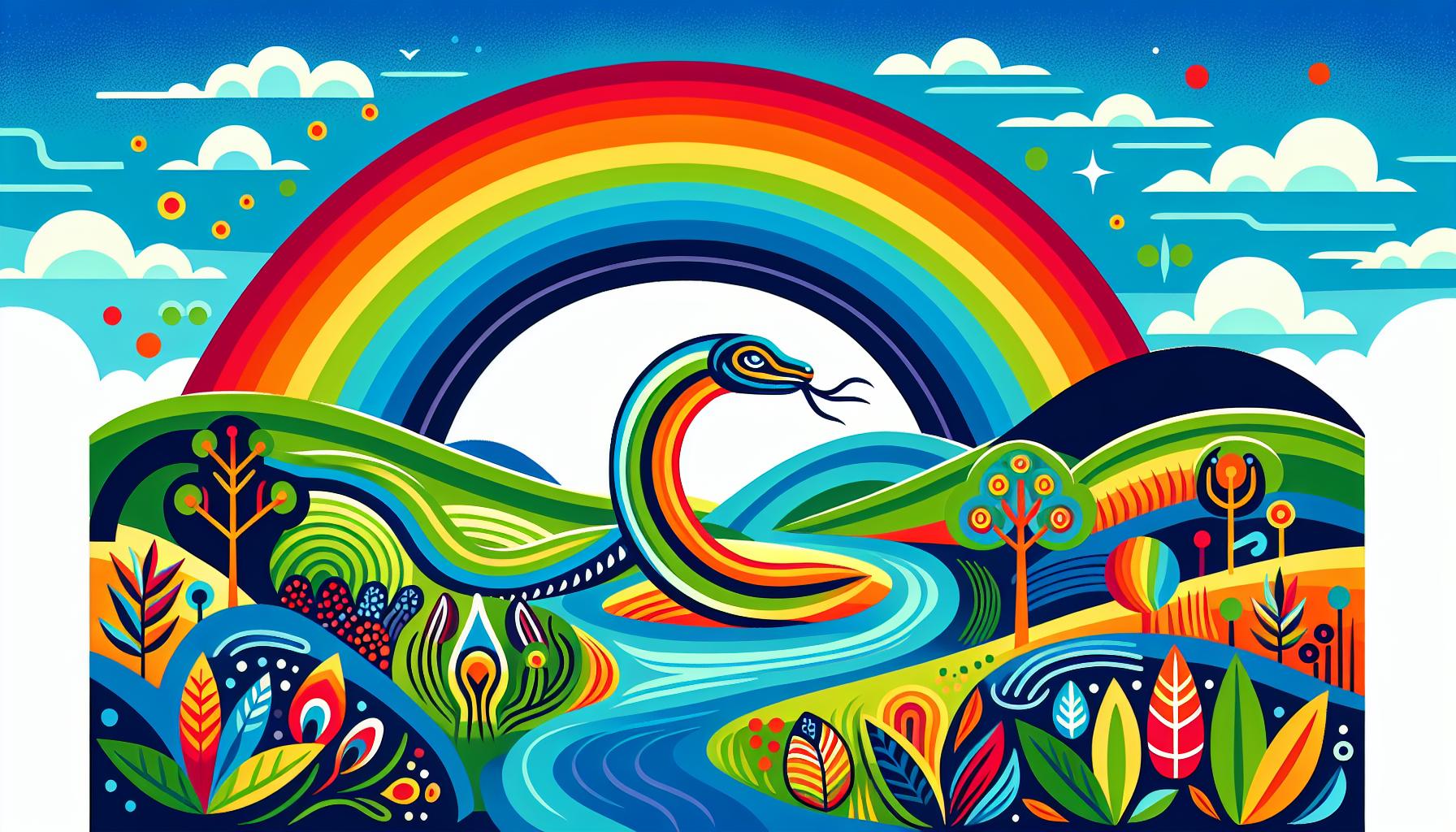
The Rainbow Serpent is one of the most widespread creator figures in Aboriginal mythology. It is associated with water, fertility, and the shaping of the landscape. Different nations know it by different names and tell different stories about it, but the core figure appears across much of Australia. The Rainbow Serpent is believed to have carved rivers, formed mountains, and established the rules governing water sources.
What are Songlines?
Songlines (also called Dreaming Tracks) are paths across the Australian landscape that follow the routes taken by creator beings during the Dreamtime. Each songline is associated with a specific song that describes the landscape and the events that occurred there. By singing the correct song, Aboriginal people can navigate vast distances across the continent. Songlines also connect different language groups and serve as trade and communication routes.
What is the role of Elders in Aboriginal folklore?
Elders are the custodians of Dreamtime knowledge. They are responsible for preserving sacred stories, teaching younger generations, conducting ceremonies, and maintaining the spiritual health of their community. Not all knowledge is shared publicly. Some stories are restricted by age, gender, or initiation level, and Elders control access to this sacred information.
What is the significance of rock art in Aboriginal culture?
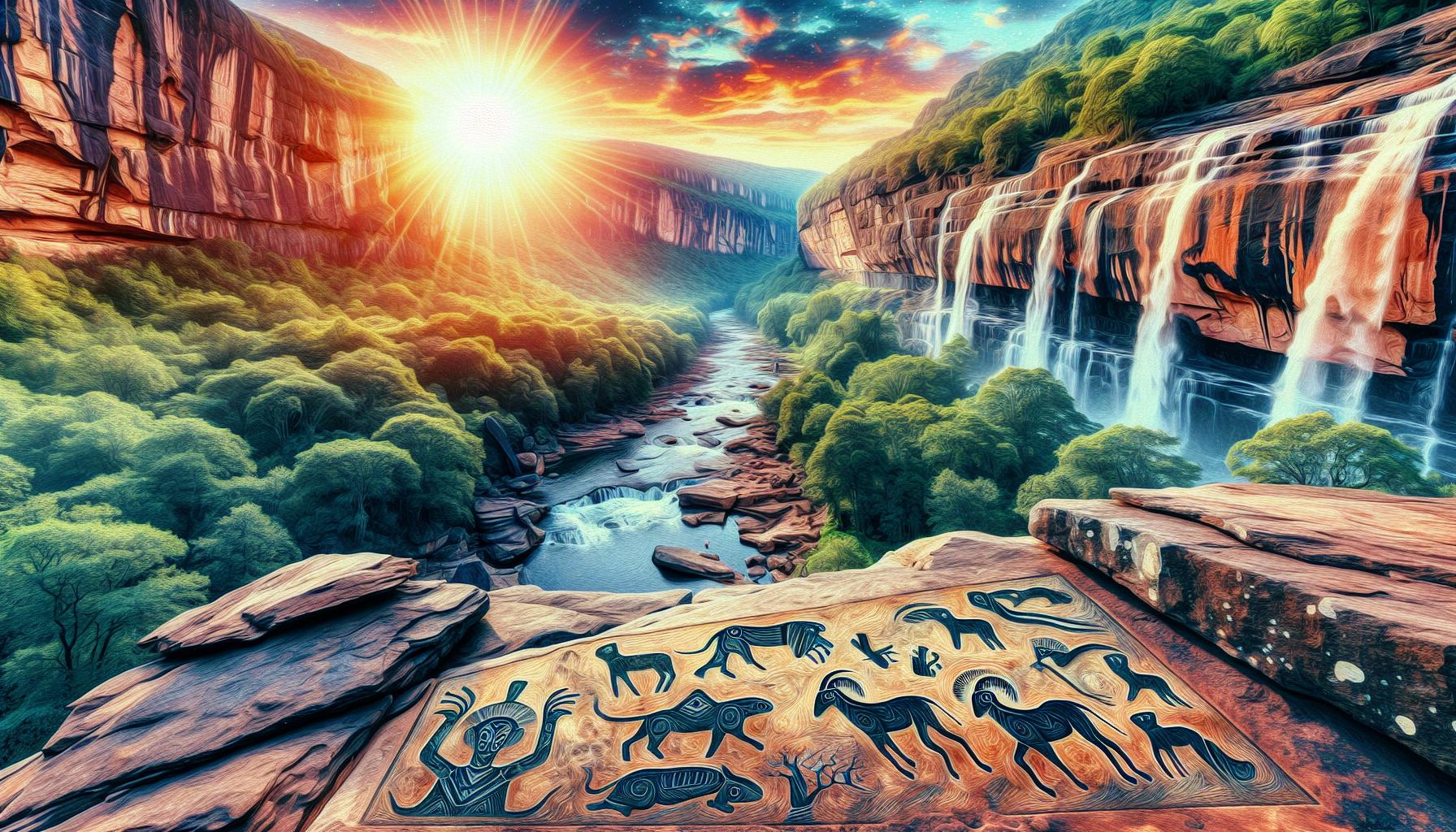
Aboriginal rock art is one of the oldest art traditions in the world, with some examples dating back over 40,000 years. Rock art serves as a visual record of Dreamtime stories, spiritual beliefs, and daily life. Many rock art sites are considered sacred and are still used for ceremonial purposes. The art includes depictions of creator beings, animals, hunting scenes, and abstract symbols with deep spiritual meaning.
How does Aboriginal folklore connect to the land?
In Aboriginal belief, the land is not just a physical environment but a living spiritual entity created and maintained by Dreamtime beings. Every feature of the landscape has a story and a spiritual custodian. Aboriginal people have obligations to care for specific areas of land through ceremony, song, and responsible stewardship. This connection to country is central to Aboriginal identity and wellbeing.
What are totems in Aboriginal culture?
Totems are animals, plants, or natural phenomena that serve as spiritual emblems for individuals, families, or clans. A person shares a spiritual connection with their totem and has responsibilities to protect and care for it. Totems establish kinship relationships, govern marriage rules, and connect people to specific Dreamtime stories and areas of land.
Are there different types of Aboriginal folklore across Australia?
Yes. Australia has over 250 distinct Aboriginal language groups, each with their own stories, creator beings, and cultural practices. While some themes (like the Rainbow Serpent) appear widely, the specific characters, events, and meanings vary significantly between regions. There is no single unified Aboriginal mythology but rather a rich collection of interconnected local traditions.
Is it appropriate for non-Aboriginal people to share these stories?
This is a matter of respect and cultural sensitivity. Some Aboriginal stories are shared openly as public knowledge, while others are sacred and restricted to specific people. Many Aboriginal communities welcome respectful engagement with their public stories but ask that sacred or ceremonial knowledge not be shared without permission. When engaging with Aboriginal folklore, it is important to acknowledge the source community and treat the material as living cultural heritage, not historical curiosity.