Biblical mythology draws from the Hebrew Bible, the Christian Old and New Testaments, apocryphal texts, and centuries of Jewish and Christian tradition. These stories describe the creation of the world, the fall of angels, the great flood, and the battles between divine and demonic forces. From the terrifying Leviathan and Behemoth to the celestial hierarchies of Cherubim and Seraphim, biblical mythology has shaped Western culture, art, and literature for over two thousand years.



Latest Blog
Frequently Asked Questions
What is the difference between biblical mythology and religious belief?
The term "biblical mythology" refers to studying the narrative, symbolic, and literary elements of biblical texts from an academic perspective. It does not judge these stories as true or false. Scholars examine biblical narratives alongside other world mythologies to understand shared themes, cultural contexts, and storytelling structures. Millions of people regard these texts as sacred scripture, and the academic study of biblical mythology respects that while applying the same analytical tools used for all mythological traditions.
What are angels in biblical tradition?
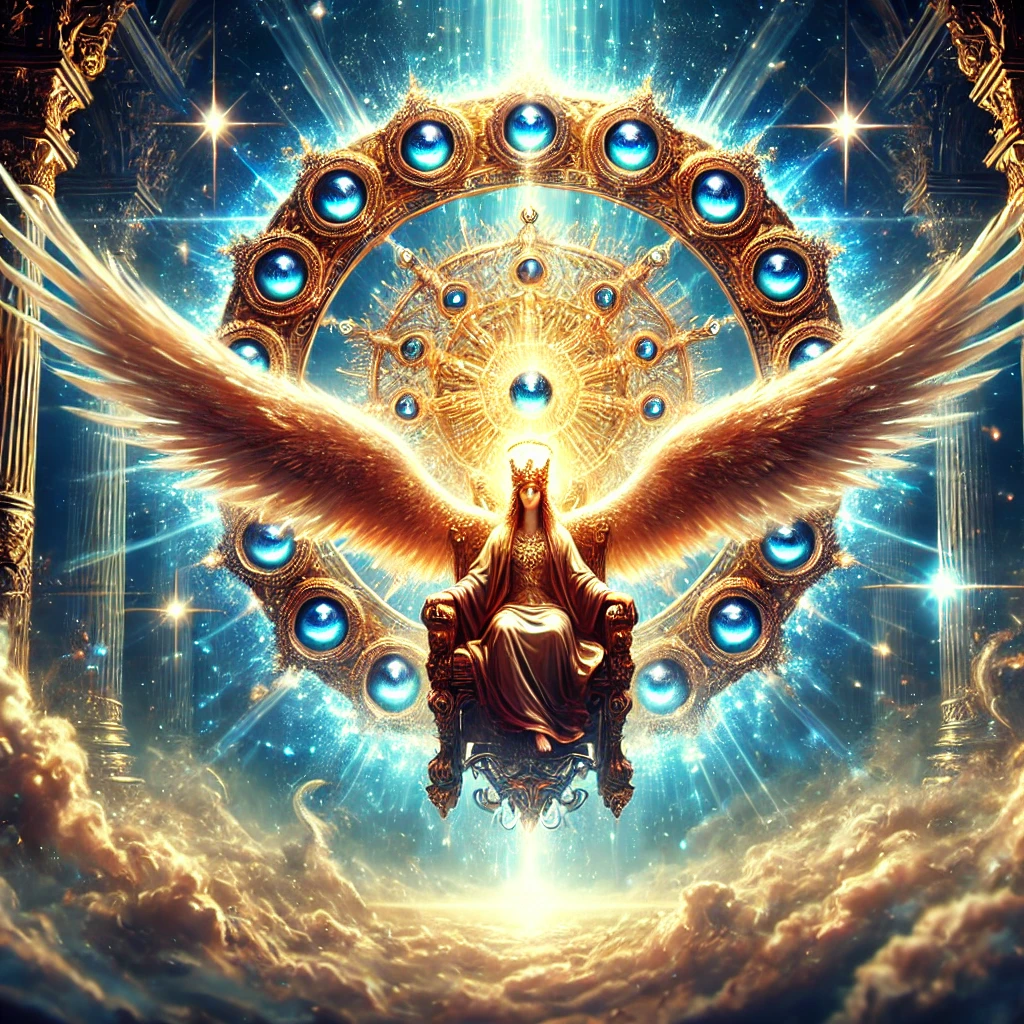
Angels in biblical tradition are supernatural beings created by God to serve as messengers, warriors, and servants of the divine will. The Bible describes several types: Seraphim (six-winged beings who surround God's throne), Cherubim (multi-faced guardians), Ophanim or Thrones (wheel-shaped beings covered in eyes), and Archangels like Michael and Gabriel. The popular image of angels as beautiful humans with wings is a later artistic invention. Biblical descriptions are often far stranger and more alien.
What are demons in biblical mythology?
The concept of demons evolved significantly across biblical history. In the Hebrew Bible, figures like Satan appear as members of God's heavenly court rather than rebellious adversaries. The idea of fallen angels who became demons developed later, particularly in texts like the Book of Enoch. Major demonic figures include Beelzebub, Asmodeus, Azazel, and Belphegor. Each has different origins and characteristics depending on which tradition and time period is being examined.
What is the Leviathan?
The Leviathan is a massive sea creature described in the Book of Job, Psalms, and Isaiah. It is depicted as a fire-breathing, armoured serpent or dragon that only God can subdue. Scholars connect the Leviathan to earlier Mesopotamian chaos monsters like Tiamat and the Canaanite sea serpent Lotan. In Jewish tradition, the Leviathan will be served as a feast for the righteous at the end of days.
What are the Nephilim?
The Nephilim are mysterious beings mentioned briefly in Genesis 6:4, described as the offspring of "the sons of God" and "the daughters of men." They are characterised as giants or mighty warriors who lived before the great flood. Their exact nature has been debated for thousands of years: interpretations range from fallen angel-human hybrids to descendants of Seth, to ancient legendary heroes. The Book of Enoch expands significantly on their origins and destructive nature.
What is Sheol and how does it differ from Hell?
Sheol is the Hebrew Bible's concept of the afterlife: a shadowy underworld where all the dead go, regardless of their moral conduct in life. It is not a place of punishment but a dim, quiet realm of shadows. The concept of Hell as a place of fiery punishment for the wicked developed much later, influenced by Greek, Persian, and intertestamental Jewish ideas. Gehenna, originally a real valley outside Jerusalem associated with child sacrifice, became a metaphor for divine punishment in later Jewish and Christian thought.
What is the Book of Enoch and why was it excluded from the Bible?
The Book of Enoch is a collection of Jewish texts written between the 3rd century BCE and 1st century CE. It describes the fall of the Watchers (angels who descended to earth and fathered the Nephilim), detailed accounts of heaven and hell, and apocalyptic visions. Despite being widely read in early Christianity and quoted in the New Testament (Jude 1:14-15), it was excluded from most biblical canons. The Ethiopian Orthodox Church is the only major denomination that considers it scripture.
What are the Four Horsemen of the Apocalypse?
The Four Horsemen appear in the Book of Revelation (chapter 6) as harbingers of the end times. They ride horses of different colours: White (often interpreted as conquest or pestilence), Red (war), Black (famine), and Pale (death). The Horsemen are released as the first four of seven seals are opened on a divine scroll. They have become one of the most recognisable images in Western culture, appearing in art, literature, and popular media for centuries.
What role does the number seven play in biblical mythology?
Seven is the most significant number in biblical tradition. God created the world in seven days. There are seven seals, seven trumpets, and seven bowls of wrath in Revelation. Seven churches are addressed in Asia Minor. The walls of Jericho fell after seven days of circling. This significance likely stems from ancient Near Eastern astronomy (seven visible celestial bodies) and the seven-day lunar cycle. Seven represents completeness, perfection, and divine order.
How has biblical mythology influenced Western art and culture?
Biblical mythology is arguably the single greatest influence on Western art, literature, music, and law. The stories of Adam and Eve, Noah's Ark, Moses, David and Goliath, and the life of Jesus have been depicted by virtually every major Western artist from Michelangelo to Rembrandt. Biblical imagery permeates the English language (scapegoat, forbidden fruit, good Samaritan, writing on the wall). Legal and moral frameworks across the West trace their roots to biblical narratives and commandments.