Inuit folklore emerges from the Arctic regions of Canada, Alaska, and Greenland, shaped by one of the harshest environments on Earth. These stories reflect a deep understanding of the natural world, where survival depends on respecting the spirits of animals, the sea, and the weather. Central figures include Sedna, the goddess of the sea who controls the marine animals, and Sila, the spirit of the air and weather. Inuit mythology blurs the boundary between human and animal, with shape-shifting and spirit communication central to the tradition.

Tupilak: Exploring the Cultural Significance and Craftsmanship of Inuit Sculptures
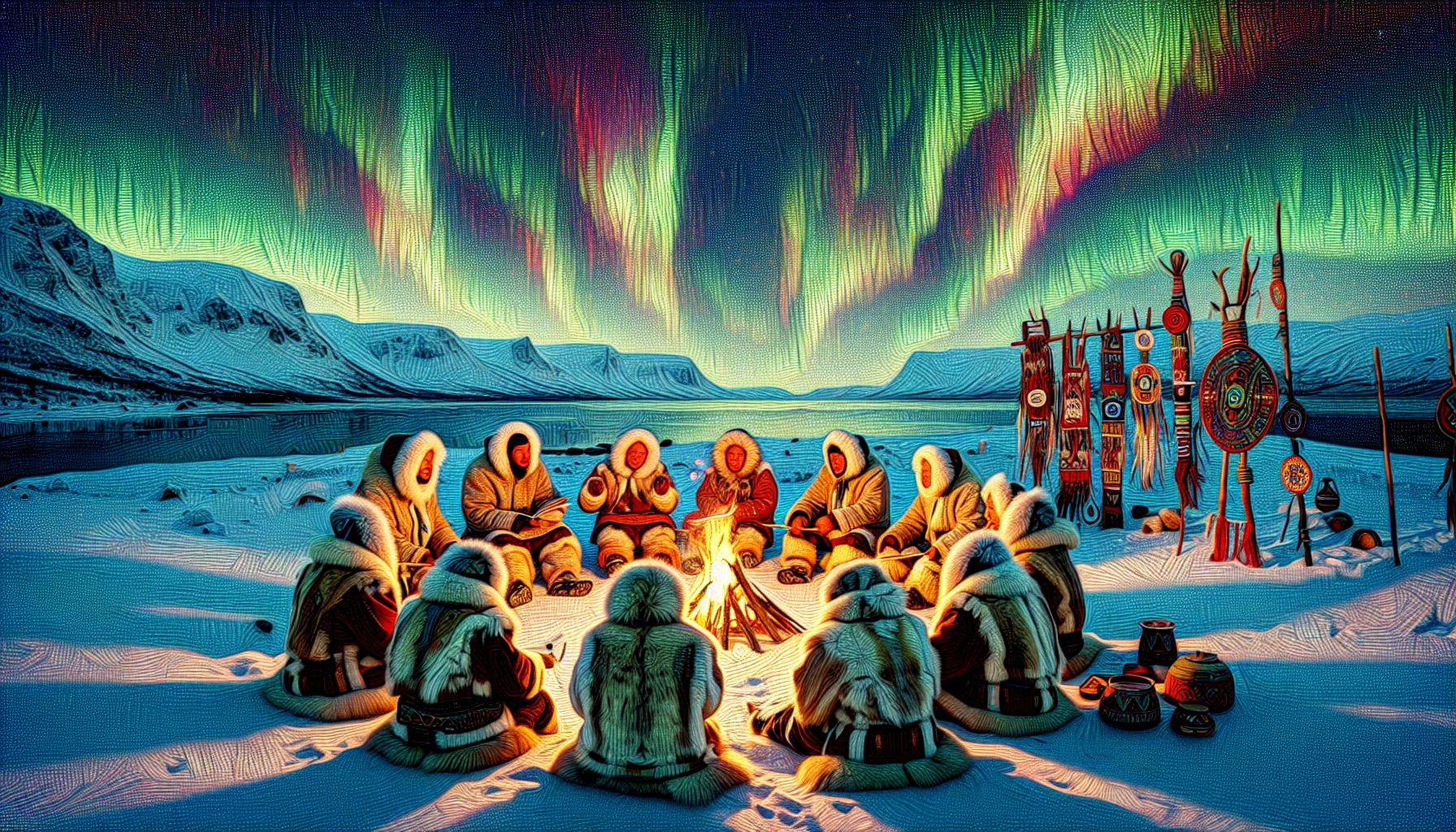
Exploring A’akuluujjusi: Inuit Tradition, Mythology and Cultural Legacy
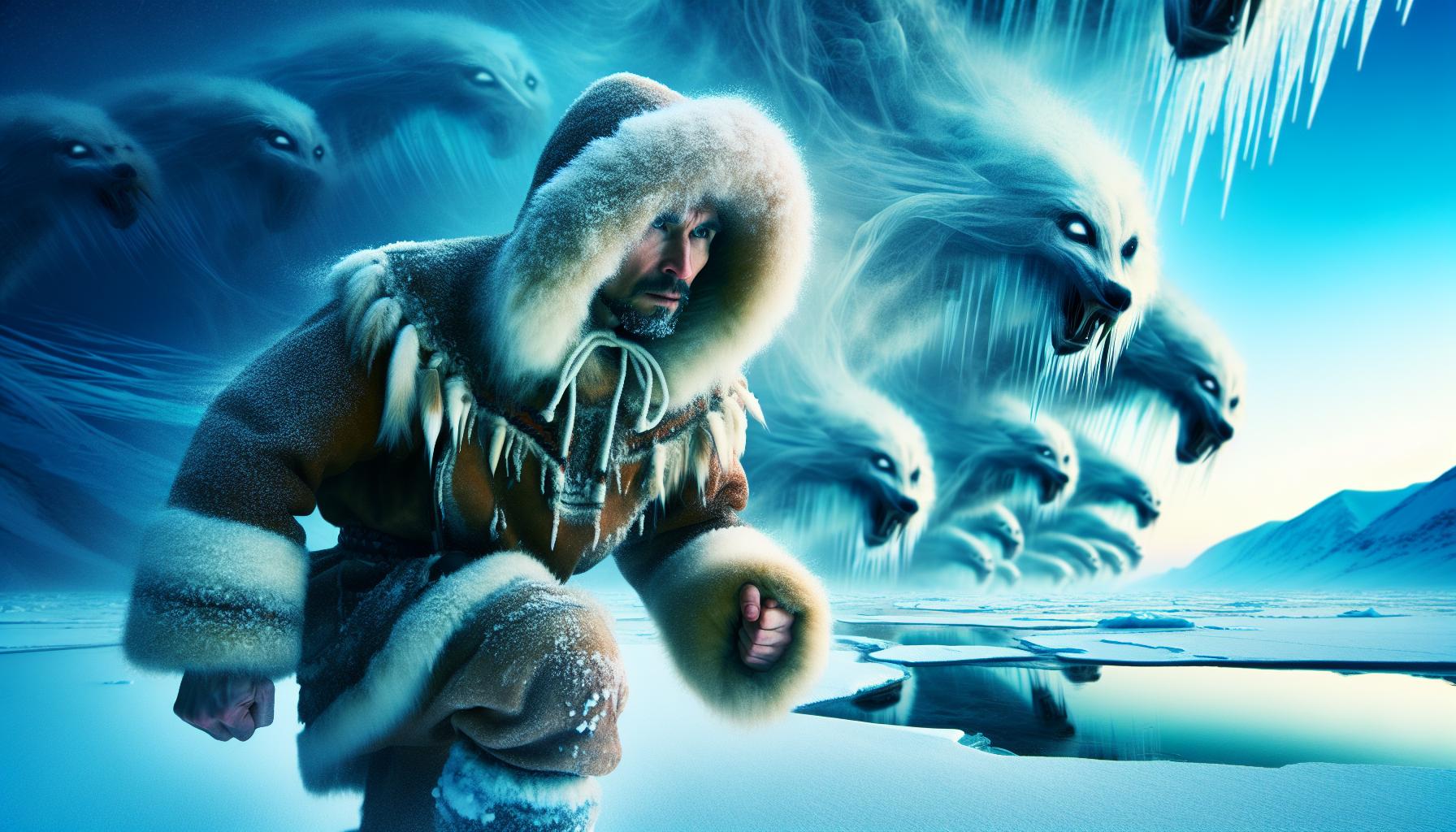
The Hunter and the Tupilak: Exploring Inuit Legends and Supernatural Bonds
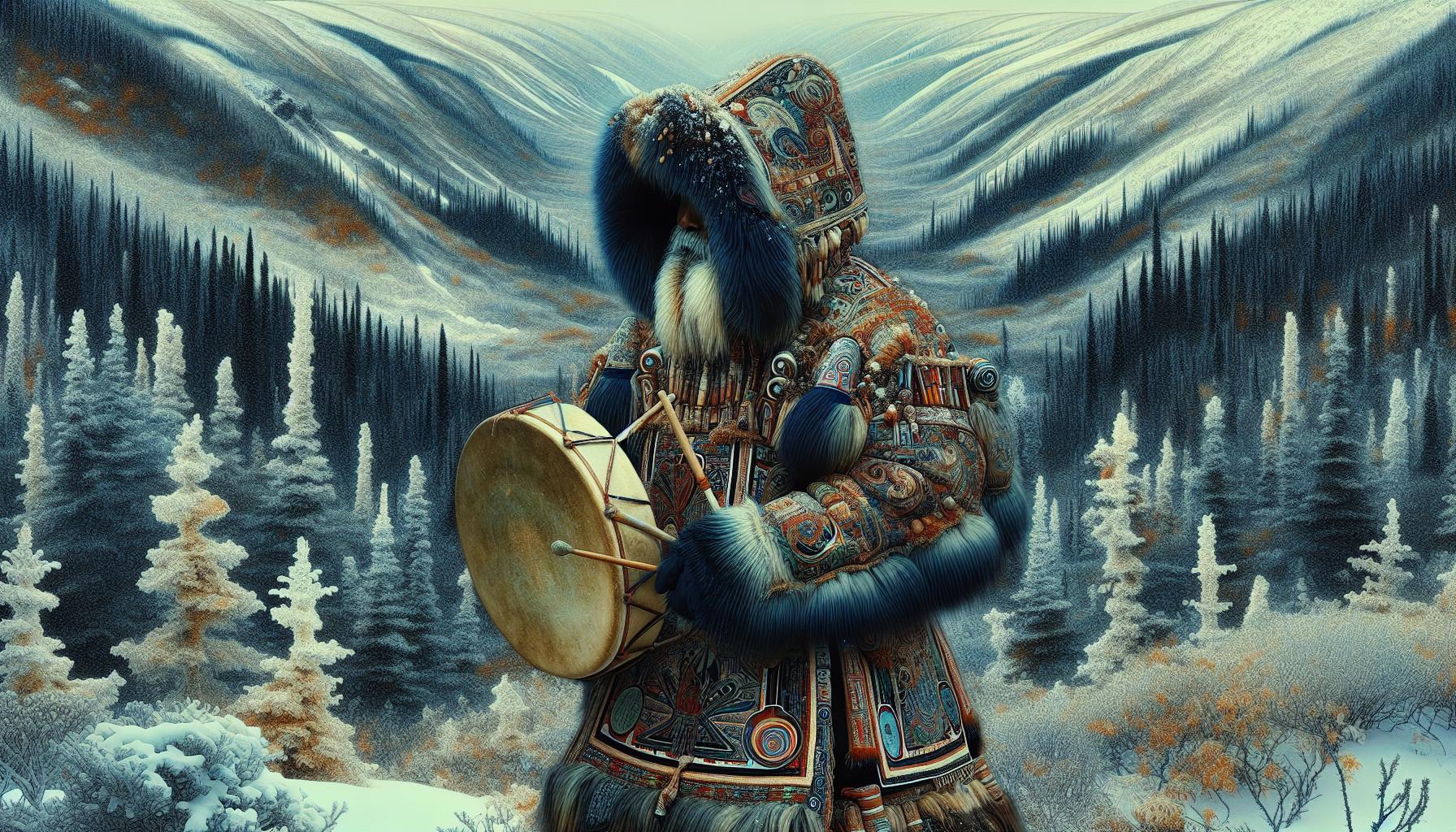
Angakkuq (Shaman): Inuit Spiritual Healers and Cultural Leaders
Keelut: Discover the Natural Beauty and Rich Culture of This Enchanting Destination
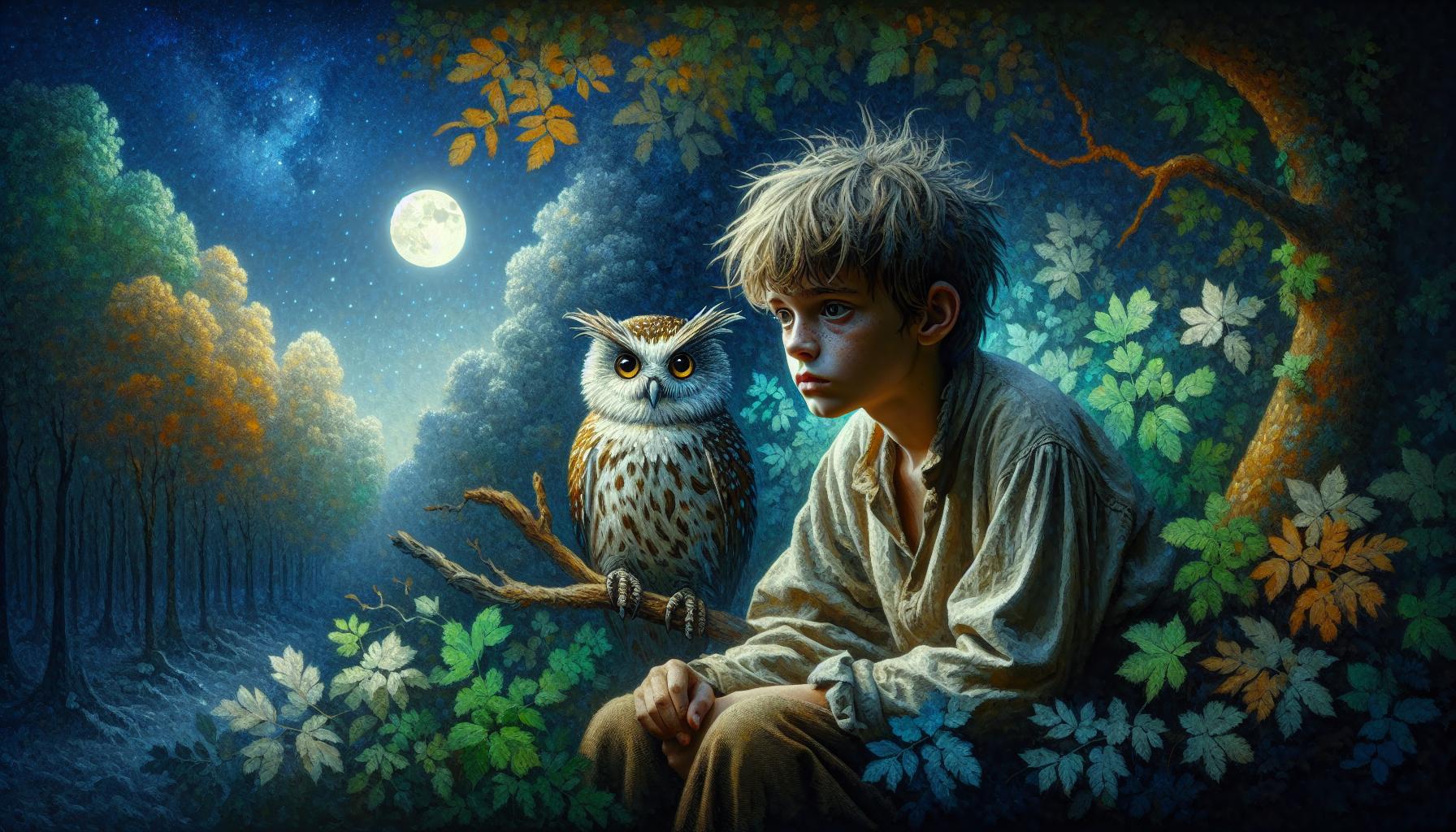
The Orphan and the Owl: A Heartwarming Tale of Resilience and Friendship
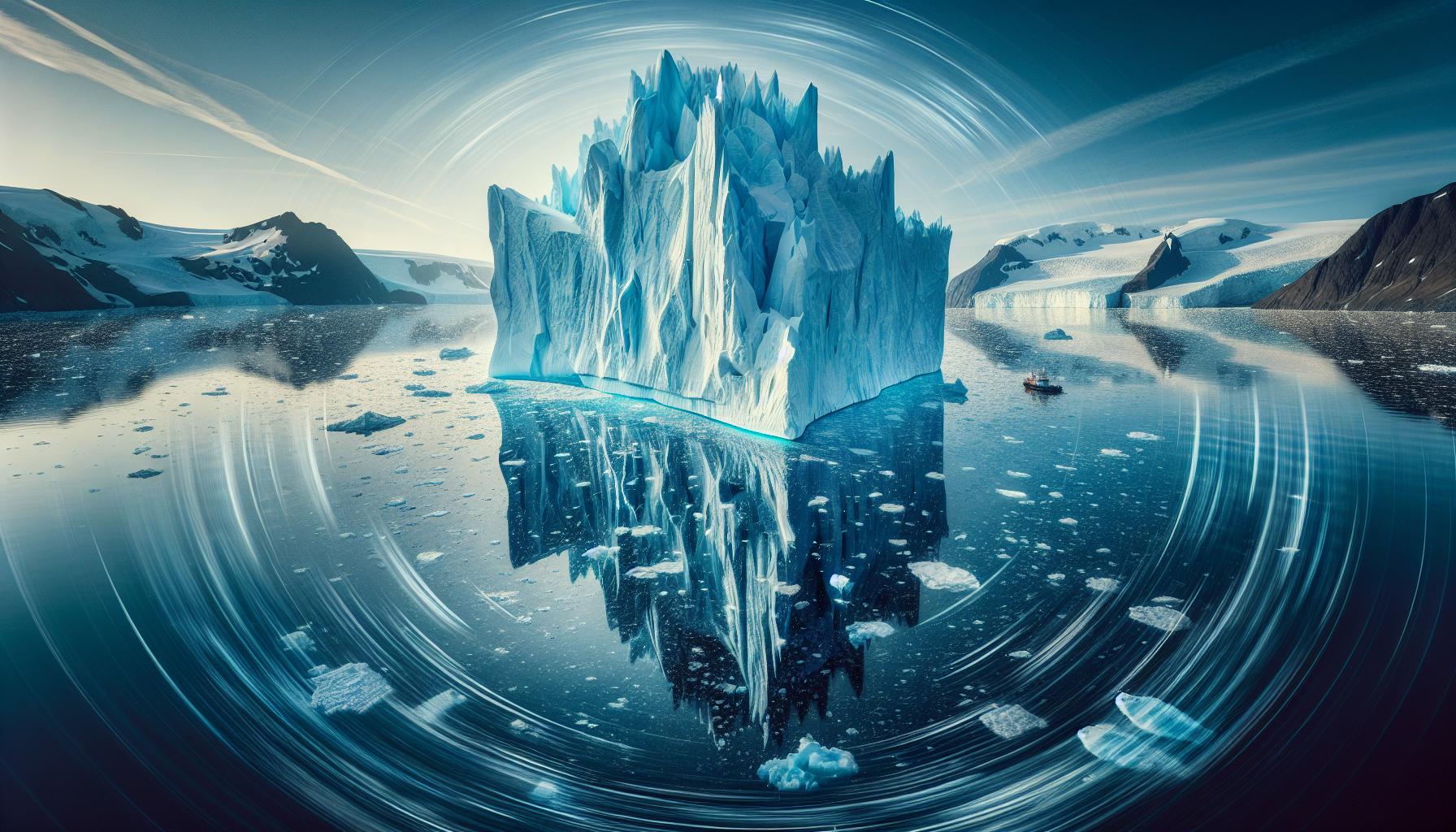
Issitoq: Greenland’s Largest Iceberg Ever Recorded and Its Impact on Climate Change
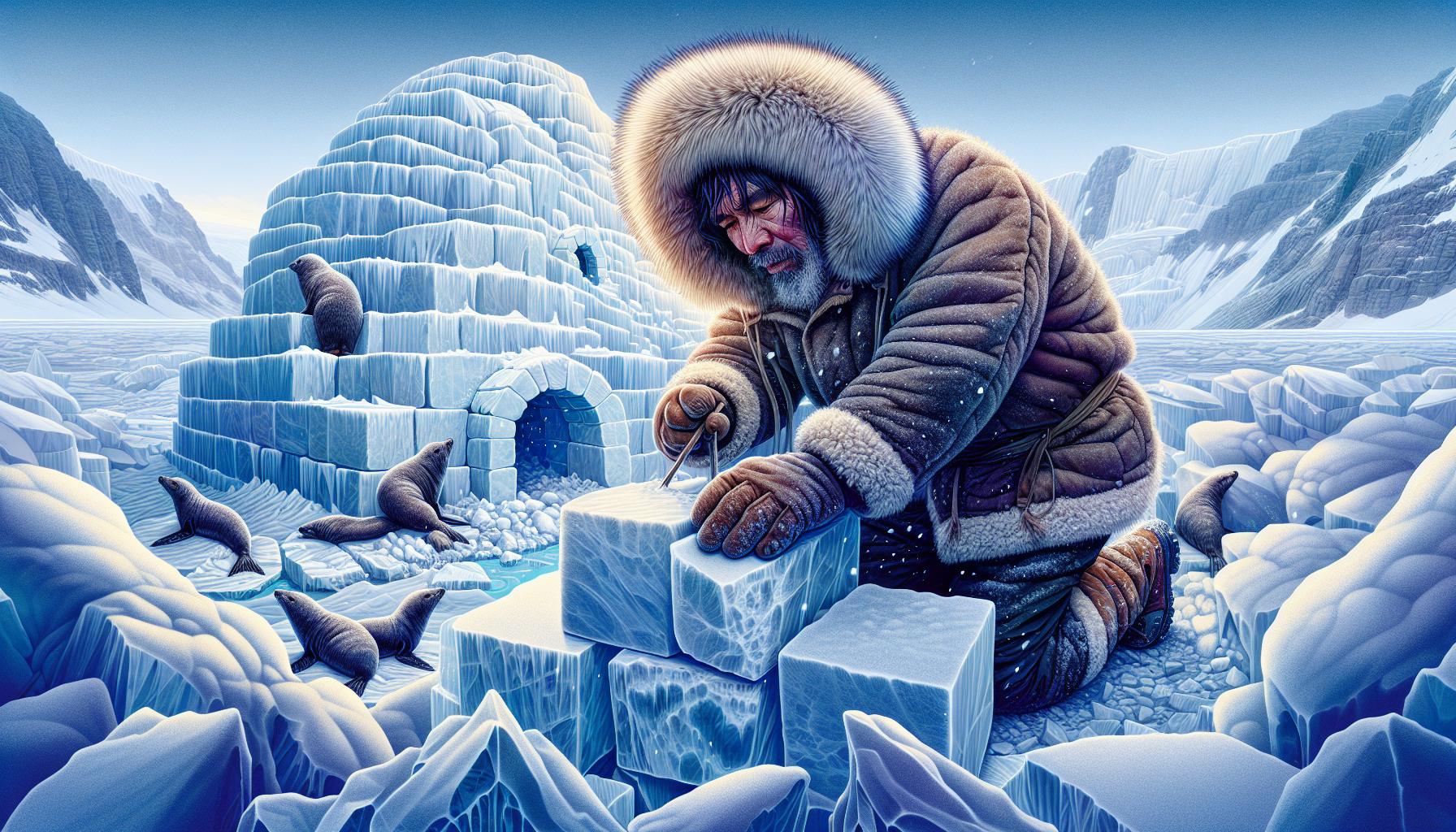
Nanook of the North: The Pioneering Documentary on Inuit Life and Culture
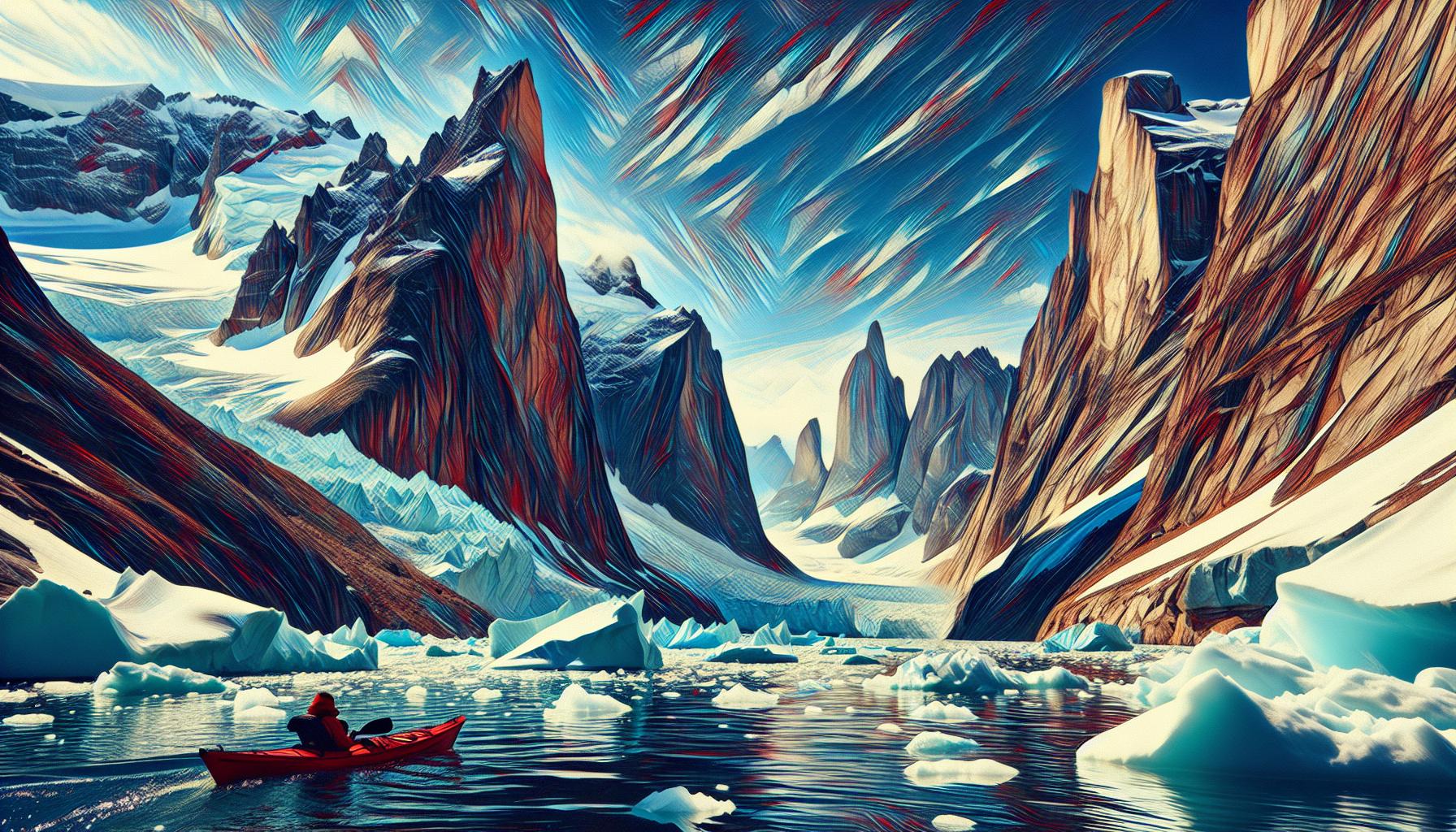
Explore Tornarsuk: Greenland’s Ultimate Fjord for Adventure and Northern Lights

Sila: Understanding Its Role in Ethics, Technology, and Modern Innovations
Latest Blog
Frequently Asked Questions
Who are the Inuit?
The Inuit are Indigenous peoples who inhabit the Arctic regions of Canada, Alaska, and Greenland. The word "Inuit" means "the people" in Inuktitut. Inuit culture developed in one of the most extreme environments on Earth, and their mythology reflects the challenges and wisdom of Arctic survival. It is important to note that "Eskimo" is considered outdated and potentially offensive by many Inuit people. Different Inuit groups include the Inuvialuit (western Canadian Arctic), Nunavummiut (central Arctic), and Kalaallit (Greenland).
Who is Sedna in Inuit mythology?
Sedna (also known as Nuliajuk or Taleelayuk depending on the region) is the goddess of the sea and marine animals. In the most common version of her story, she was a young woman whose fingers were cut off by her father as she clung to the edge of a kayak. Her severed fingers became the seals, walruses, and whales that sustain Inuit life. Sedna lives at the bottom of the ocean, and when she is displeased or her hair becomes tangled with human transgressions, she withholds the animals, causing famine. Shamans must journey to the sea floor to comb her hair and restore the hunt.
What is the role of animals in Inuit folklore?
Animals are not inferior beings in Inuit mythology but spiritual equals and sometimes superiors to humans. Many stories describe animals that can transform into humans and vice versa. The boundary between human and animal is fluid. Hunters must show deep respect to the animals they kill through specific rituals, offerings, and taboos. Each animal has a spirit (inua) that must be honoured. If these protocols are violated, the animal spirits will refuse to be caught, bringing starvation to the community.
What is an Angakkuq?
An Angakkuq (plural: Angakkuit) is an Inuit shaman, a spiritual specialist who mediates between the human world and the spirit world. Angakkuit can communicate with animal spirits, heal the sick, predict weather, locate game animals, and travel to the spirit world in trance states. Their powers are gained through visions, near-death experiences, or apprenticeship with an older shaman. They played a central role in maintaining the spiritual health of Inuit communities.
What is Sila in Inuit belief?
Sila is the Inuit concept of the spirit or consciousness of the air, weather, and the natural world. It is not a personified god but rather an all-encompassing force that governs wind, storms, temperature, and the balance of the natural world. Sila can be calm or wrathful, and its moods directly affect human survival in the Arctic. Sila is sometimes described as a universal consciousness that connects all living things. Respecting Sila means living in harmony with natural forces rather than trying to dominate them.
What are the Northern Lights in Inuit mythology?
The Inuit have several explanations for the Aurora Borealis. Some traditions describe the lights as the spirits of the dead playing a ball game with a walrus skull. Others see them as the torches of spirits guiding the recently deceased to the afterlife. In some regions, the lights are believed to be the spirits of animals (particularly foxes or seals). Some Inuit traditions warn that the lights can reach down and take people, especially children who stay out too late, and that whistling at the aurora can draw them closer.
How do Inuit creation stories explain the world?
Inuit creation stories vary across different communities, but common themes include the world being formed from the body of a primordial being, the separation of land and sea, and the origin of the sun and moon (often depicted as brother and sister who were separated and placed in the sky). Many Inuit traditions do not describe a single creation event but rather an ongoing process of transformation. The world was not created once but continues to be shaped by the interactions between humans, animals, and spirits.
What is the Inuit concept of the afterlife?
Inuit beliefs about the afterlife vary by region. Some traditions describe an underworld where the dead live comfortably and hunting is always good. Others speak of a sky world where the spirits of the dead dance and play (sometimes associated with the Northern Lights). The manner of death could determine which afterlife a person reached. In many traditions, those who died by violence or during childbirth went to a different realm than those who died of illness or old age. Proper burial practices and mourning rituals were important for ensuring the dead reached their destination safely.
What are Inuit mask traditions?
Inuit mask-making is a rich artistic and spiritual tradition, particularly among Yupik communities in Alaska. Masks were worn during ceremonial dances to represent animal spirits, mythological beings, and shamanic visions. They often feature transformational imagery, showing a being that is simultaneously human and animal. Masks could depict specific spirits from hunting stories, Sedna, Sila, or the helper spirits of shamans. The tradition nearly disappeared during the colonial era but has been revived by contemporary Inuit artists.
Is Inuit folklore still practised and told today?
Yes. While colonisation, residential schools, and Christian missionaries significantly disrupted traditional Inuit culture, there has been a strong revival of Inuit language, storytelling, and cultural practices in recent decades. Elders continue to share traditional stories with younger generations. Inuit mythology influences contemporary Inuit art, which is internationally recognised for its sculpture, printmaking, and textile work. Organisations like the Inuit Tapiriit Kanatami work to preserve and promote Inuit culture, including traditional knowledge and storytelling.