Greek mythology is arguably the most influential mythological tradition in Western civilisation, shaping art, literature, philosophy, and language for over two thousand years. From the twelve Olympian gods on Mount Olympus to the monsters at the edges of the known world, Greek mythology is a sprawling web of stories about gods, heroes, creatures, and the fundamental forces of the universe.

Selene: The Greek Goddess of the Moon

Chione: The Greek Snow Nymph and Daughter of the North Wind
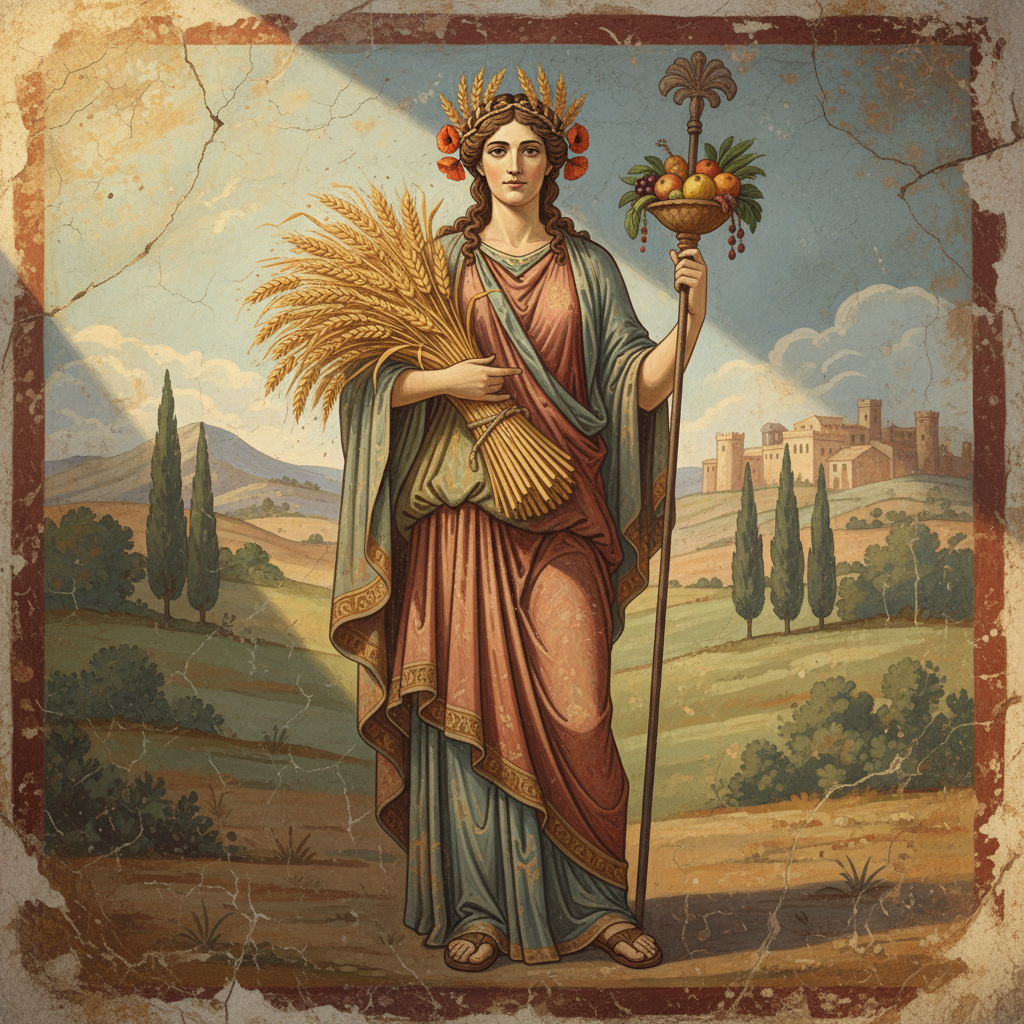
Demeter and Persephone: The Greek Goddesses of Harvest and the Seasons
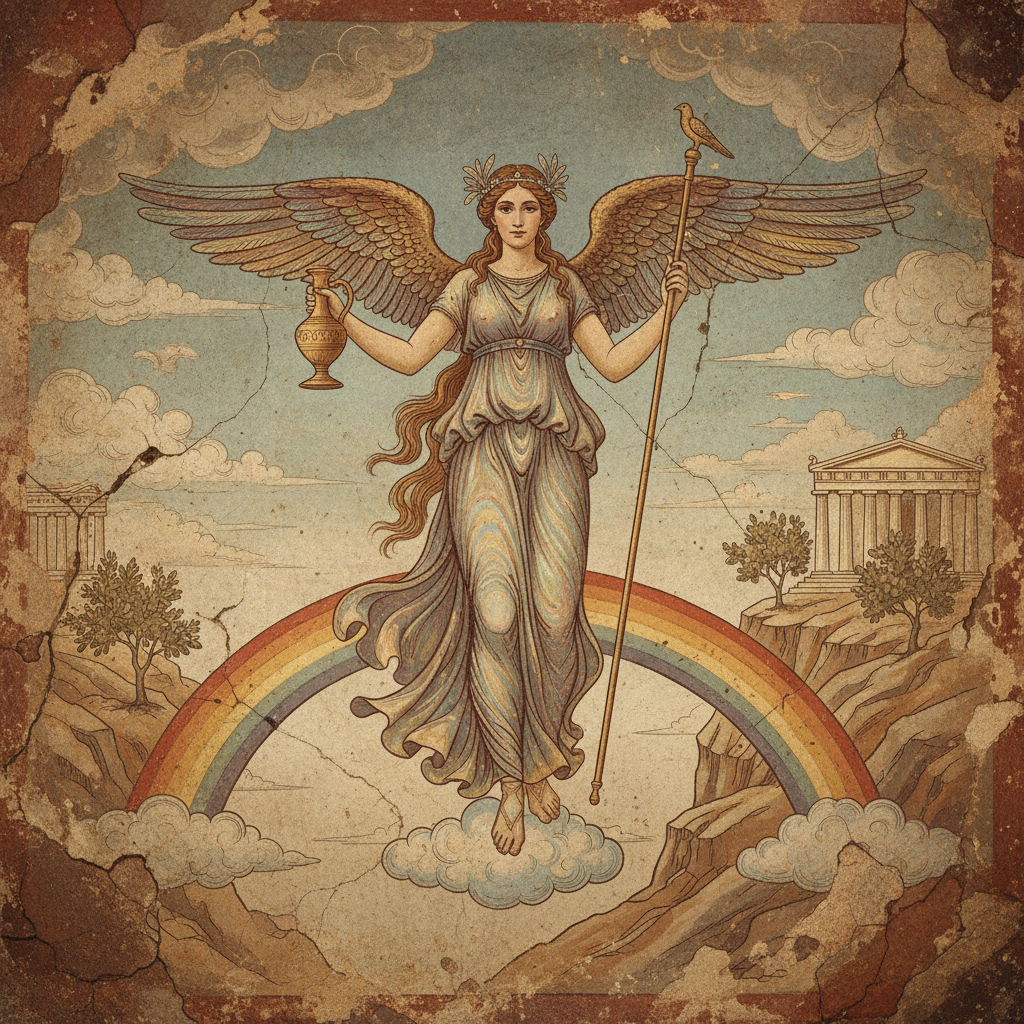
Iris: The Greek Goddess of the Rainbow and Divine Messenger
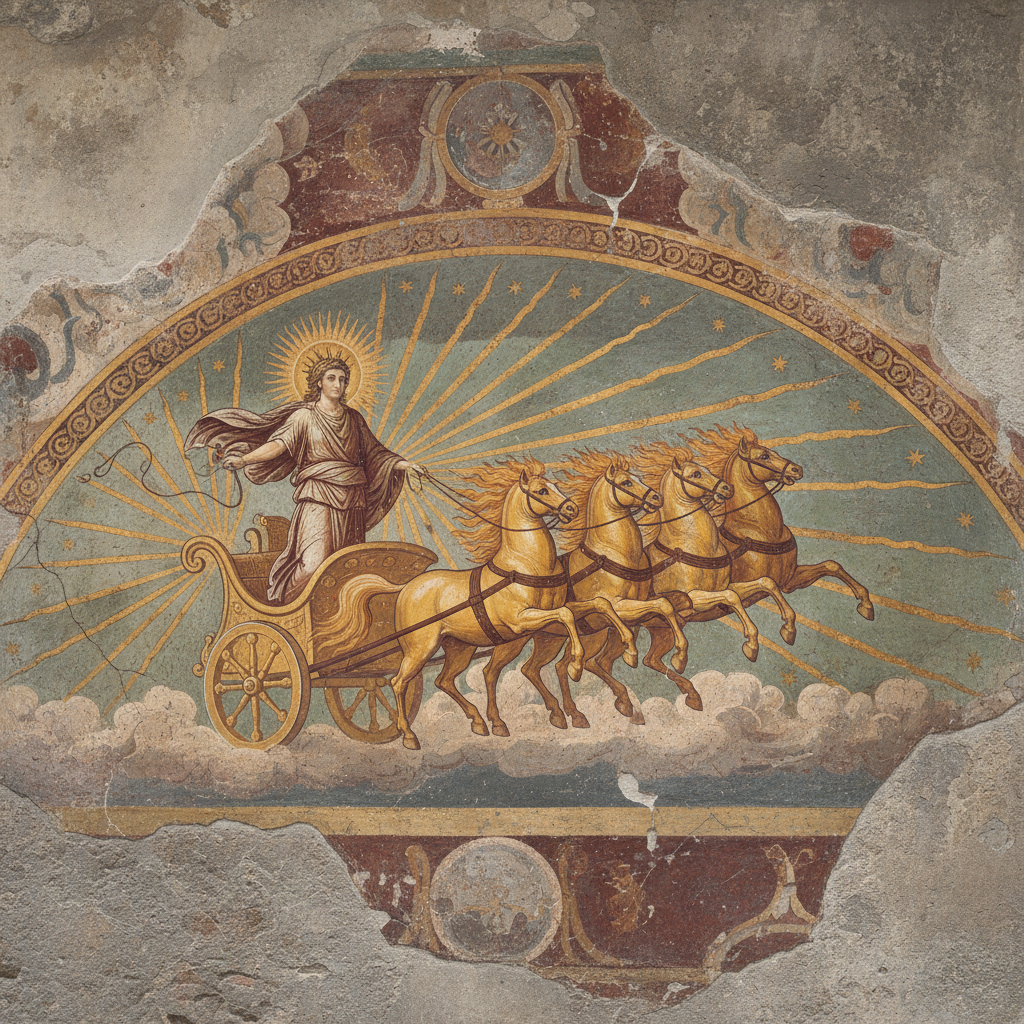
Helios and Phaethon: The Greek Sun God and His Falling Son

Anemoi: The Four Wind Gods of Greek Mythology
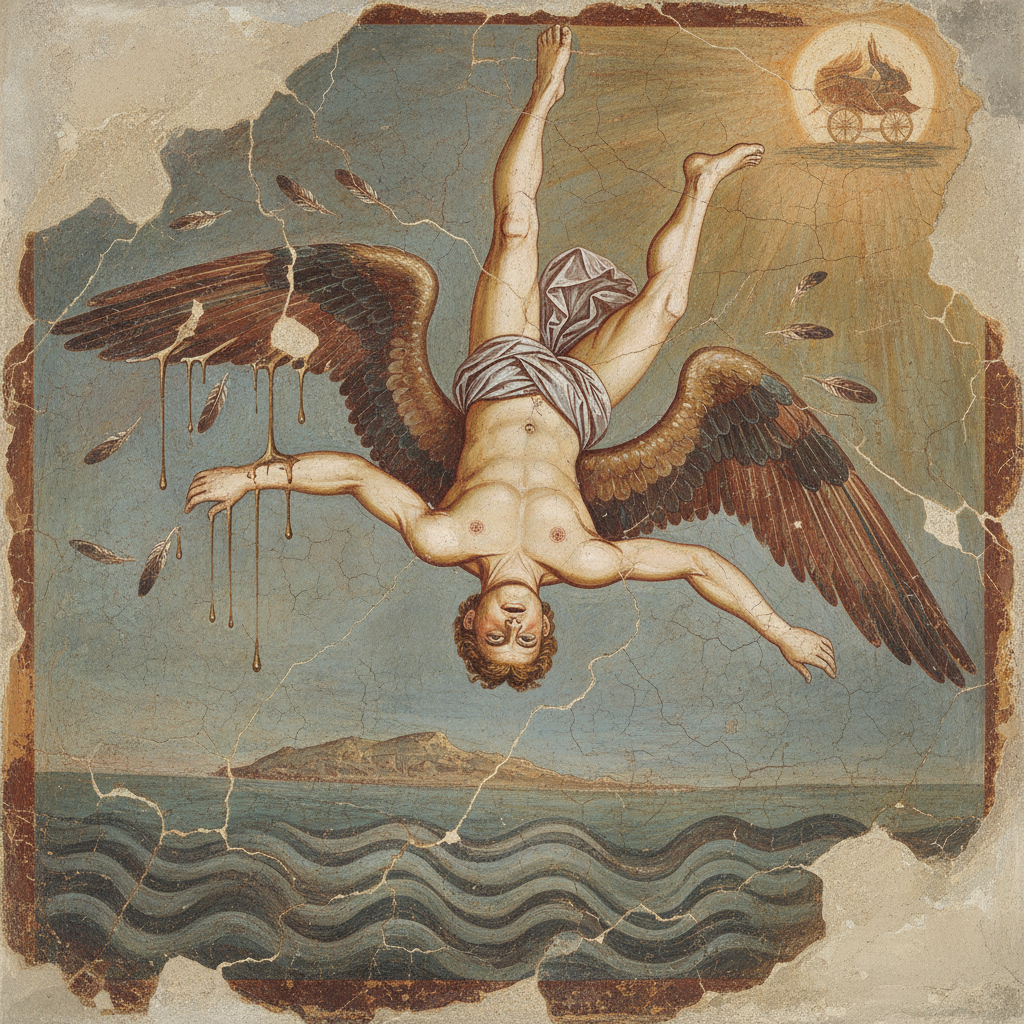
Icarus

Griffin

Echidna
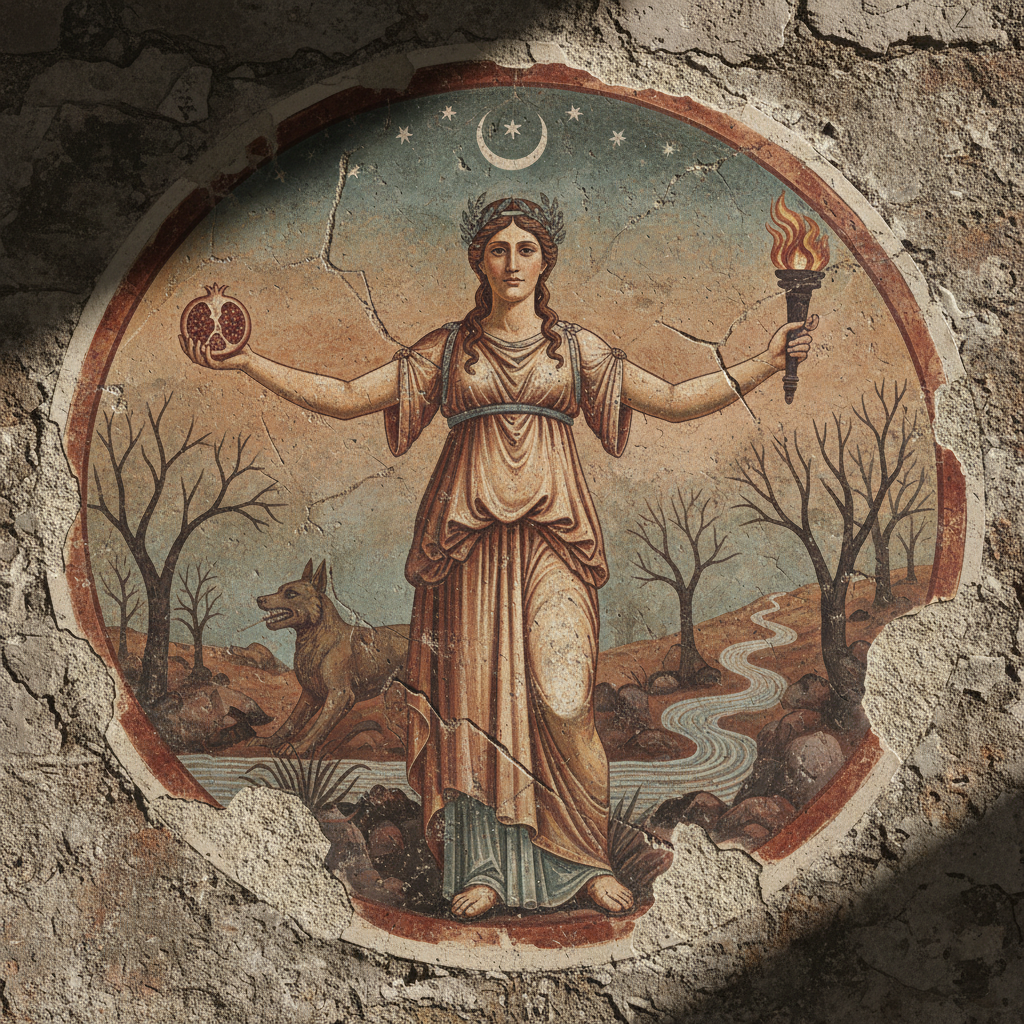
Persephone
Latest Blog
Frequently Asked Questions
Who are the twelve Olympian gods?
The twelve Olympians are the major gods who resided on Mount Olympus: Zeus (king of the gods, sky and thunder), Hera (marriage and family), Poseidon (the sea), Demeter (harvest), Athena (wisdom and warfare), Apollo (sun, music, prophecy), Artemis (the hunt and moon), Ares (war), Aphrodite (love and beauty), Hephaestus (forge and fire), Hermes (messengers and travellers), and Dionysus (wine and revelry). Hades ruled the underworld and is sometimes counted as a thirteenth.
What came before the Olympian gods?
Before the Olympians, the universe was ruled by the Titans, led by Kronos. Before the Titans came the Primordial gods: Chaos (the void), Gaia (Earth), Tartarus (the abyss), and Eros (desire). Gaia and Ouranos (Sky) produced the Titans. The Titans ruled during a Golden Age until Zeus and his siblings overthrew them in a ten-year war called the Titanomachy, imprisoning most Titans in Tartarus and establishing the Olympian order.
What is the Trojan War?
The Trojan War is the central event of Greek heroic mythology, described in Homer's Iliad and referenced throughout Greek literature. According to myth, the war began when Paris of Troy judged Aphrodite the fairest goddess and was rewarded with Helen, the most beautiful mortal woman, who was already married to Spartan king Menelaus. The Greeks assembled over a thousand ships and besieged Troy for ten years. The war ended when Odysseus devised the Trojan Horse, a hollow wooden horse filled with soldiers that was brought inside the city walls.
What is the Greek underworld like?
The Greek underworld (Hades) was ruled by the god Hades and his queen Persephone. The dead crossed the River Styx on Charon's ferry (paying with a coin placed in the mouth at burial). They were then judged: the virtuous went to Elysium (paradise), ordinary souls wandered the Asphodel Meadows (a neutral, grey existence), and the wicked were punished in Tartarus. Famous punishments include Sisyphus eternally rolling a boulder uphill and Tantalus standing in receding water beneath unreachable fruit.
What are the most famous Greek monsters?
Greek mythology features an extraordinary bestiary. The Minotaur (bull-headed man in the Labyrinth), Medusa (snake-haired Gorgon whose gaze turned people to stone), the Hydra (multi-headed serpent that grew two heads for each one cut off), Cerberus (three-headed guard dog of the underworld), the Chimera (lion-goat-serpent hybrid), Scylla and Charybdis (sea monsters flanking a narrow strait), the Sphinx (riddle-asking lion-woman), and the Cyclopes (one-eyed giants) are among the most recognised creatures in world mythology.
What is the difference between Greek and Roman mythology?
The Romans adopted much of Greek mythology but gave the gods Latin names: Zeus became Jupiter, Aphrodite became Venus, Ares became Mars, Athena became Minerva. Beyond naming, there are real cultural differences. Roman mythology placed greater emphasis on civic duty, the founding of Rome (through Aeneas, a Trojan refugee), and the divine right of the state. Greek mythology focused more on individual heroism, tragic flaws, and the complex personalities of the gods. Roman religion was also more ritualistic and state-focused than the Greek tradition.
Why are Greek myths still relevant today?
Greek myths endure because they address universal human experiences: love, jealousy, ambition, justice, mortality, and the relationship between humans and forces beyond their control. The stories are psychologically complex, with characters who are neither purely good nor evil. Freud named the Oedipus complex after a Greek myth. NASA names spacecraft after Greek figures. Greek mythological terms permeate the English language (narcissism, echo, chaos, panic, atlas, odyssey). Every generation finds new meaning in these ancient stories.
What are the Greek Fates?
The three Fates (Moirai) controlled the destiny of every mortal and, in some versions, even the gods. Clotho spun the thread of life, Lachesis measured its length, and Atropos cut it, ending the life. The Fates represent the Greek understanding that destiny is fixed and cannot be escaped, even by the most powerful beings. This fatalistic worldview is central to Greek tragedy, where heroes often meet their doom precisely because they try to avoid the fate prophesied for them.
What are the Labours of Heracles?
The Twelve Labours are tasks imposed on Heracles (Roman: Hercules) as penance for killing his family in a madness sent by Hera. They include: slaying the Nemean Lion, killing the nine-headed Hydra, capturing the Ceryneian Hind, catching the Erymanthian Boar, cleaning the Augean Stables, driving away the Stymphalian Birds, capturing the Cretan Bull, stealing the Mares of Diomedes, obtaining the belt of Hippolyta, herding the Cattle of Geryon, fetching the golden apples of the Hesperides, and capturing Cerberus from the underworld.
Did the ancient Greeks believe their myths were literally true?
This is a complex question. The Greeks did not have a concept of "belief" in the way modern religions do. Myths were woven into every aspect of Greek life: religion, politics, art, education, and daily ritual. Temples, festivals, and sacrifices were dedicated to the gods. However, Greek philosophers from as early as the 6th century BCE questioned whether the myths should be taken literally. Xenophanes criticised Homer for depicting gods with human flaws. Euhemerus suggested gods were deified historical figures. Most Greeks likely held a range of attitudes, from literal belief to symbolic interpretation.