Middle Eastern mythology encompasses some of the oldest recorded myths in history, from the Sumerian and Babylonian civilisations of ancient Mesopotamia to Persian and Arabian traditions. This mythology gave the world the Epic of Gilgamesh (the oldest surviving literature), the cosmic battle between Marduk and Tiamat, and the jinn of Arabian folklore. These stories laid the groundwork for themes that later appeared in the Abrahamic religions.


Latest Blog
Frequently Asked Questions
Why is Mesopotamian mythology considered the oldest?
Mesopotamia (modern-day Iraq) is often called the "cradle of civilisation" because it produced some of humanity's earliest cities, writing systems, and recorded stories. The Sumerians, who settled in southern Mesopotamia around 4500 BCE, developed cuneiform writing and used it to record myths, hymns, and epic poems. The Epic of Gilgamesh, dating to around 2100 BCE, is the oldest surviving work of literature. Many themes that appear in later Greek, Hebrew, and Indian mythology first appear in Mesopotamian texts.
What is the Epic of Gilgamesh about?
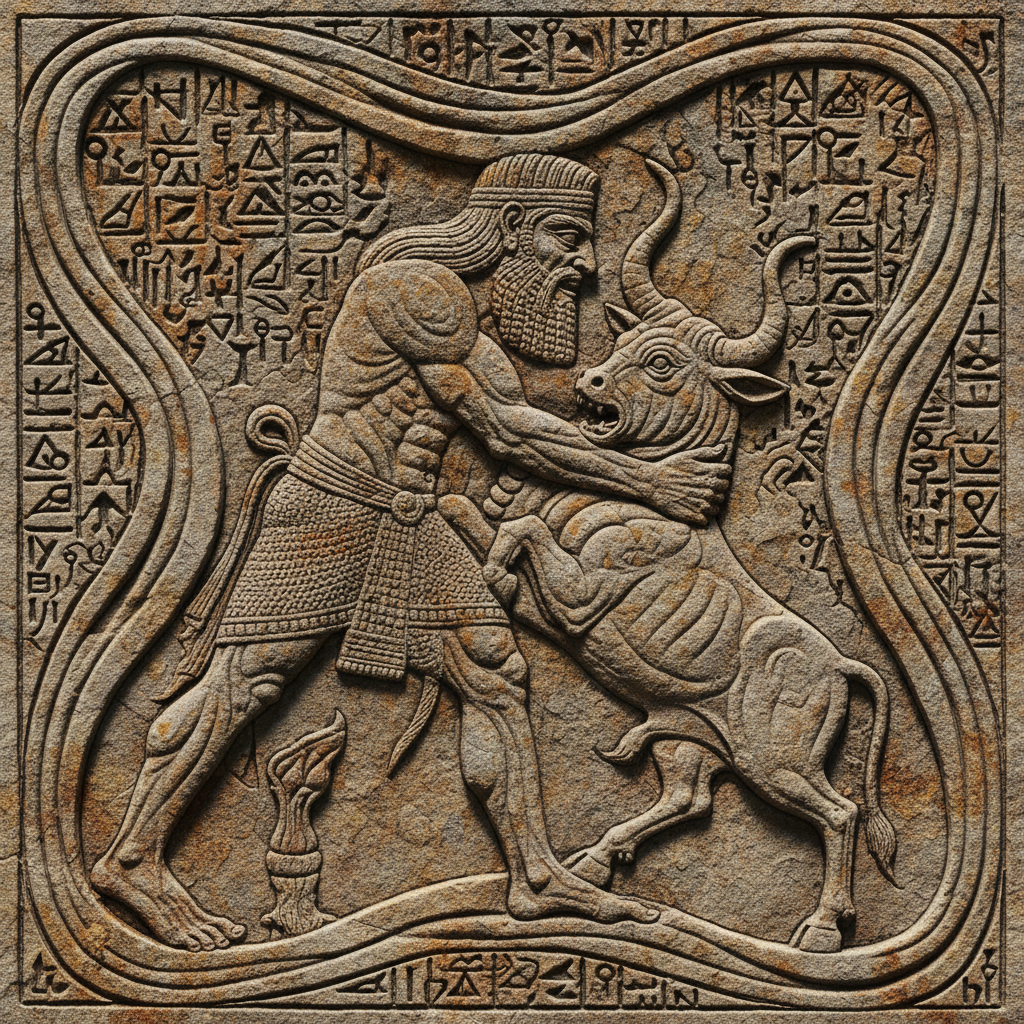
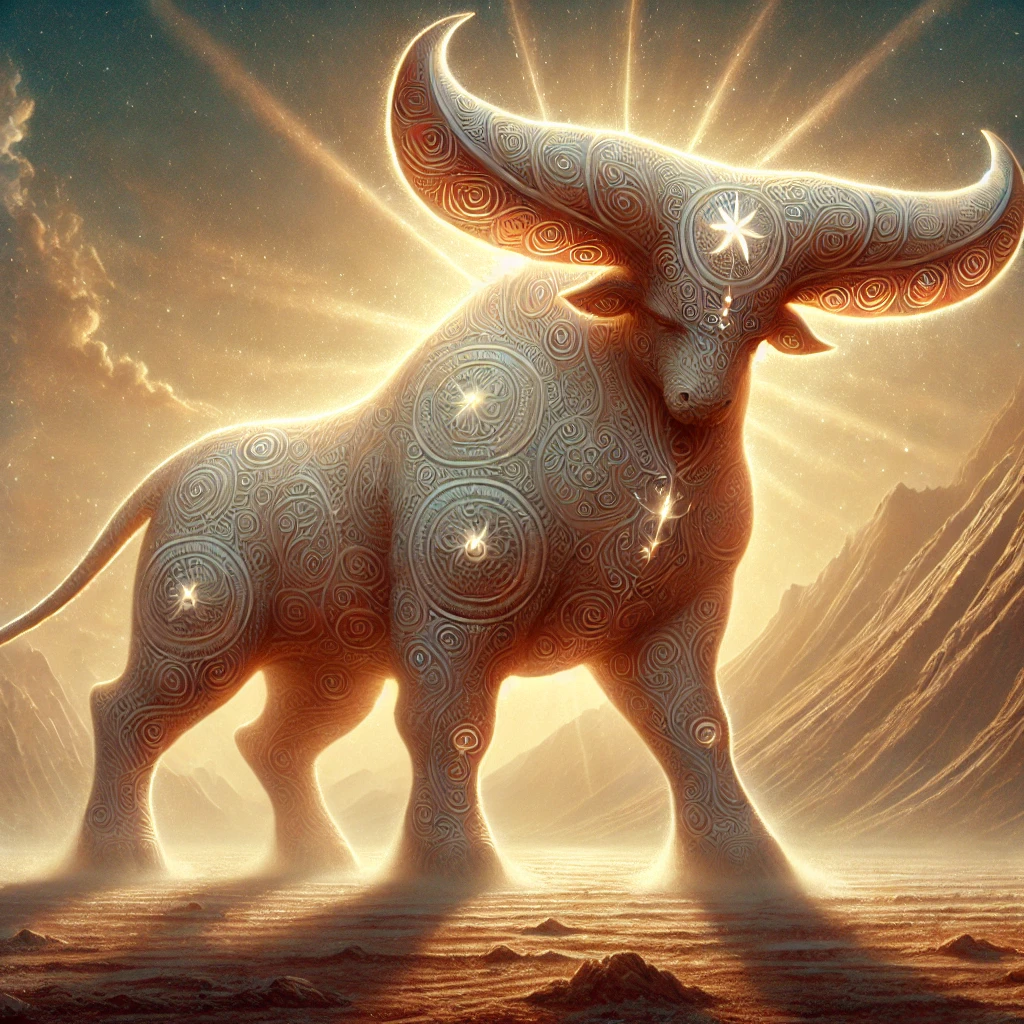
The Epic of Gilgamesh follows the king of Uruk, a powerful but tyrannical ruler. The gods create Enkidu, a wild man, to be his equal and rival. After fighting, they become close friends and embark on adventures together, including slaying the monster Humbaba and the Bull of Heaven. When Enkidu dies, Gilgamesh is devastated and sets out on a quest for immortality. He eventually finds Utnapishtim (the Mesopotamian Noah), who tells him the story of the great flood and reveals that immortality is not meant for mortals. Gilgamesh returns home accepting his mortality.
Who is Tiamat?
Tiamat is the primordial goddess of the salt sea in Babylonian mythology, described in the creation epic Enuma Elish. She represents chaos and the formless ocean that existed before creation. When the younger gods disturbed her peace, she created an army of monsters to destroy them. The god Marduk volunteered to fight her, killing Tiamat and splitting her body in half to create the heavens and the earth. Tiamat is one of the earliest dragon/chaos monster figures in world mythology.
What are jinn?
Jinn (also spelled djinn) are supernatural beings in Arabian and Islamic mythology, created from smokeless fire by God. They inhabit a parallel world alongside humans and possess free will, meaning they can be good, evil, or morally neutral. Jinn can be Muslim, Christian, Jewish, or pagan. Types include the powerful Ifrit (fire jinn), Marid (water jinn), and Ghul (shape-shifting predators). The Western concept of the "genie in a lamp" comes from the Arabian Nights but represents only a tiny fraction of the rich jinn tradition.
How did Mesopotamian mythology influence the Bible?
Many scholars have identified significant parallels between Mesopotamian and biblical narratives. The Gilgamesh flood story closely resembles the story of Noah. The creation account in Genesis shares structural similarities with the Enuma Elish. The Tower of Babel may reflect memories of Mesopotamian ziggurats. The Garden of Eden has parallels with the Sumerian paradise of Dilmun. These similarities likely result from cultural contact during the Babylonian exile of the Jews (6th century BCE) and the broader shared cultural milieu of the ancient Near East.
What is Zoroastrian mythology?
Zoroastrianism is one of the world's oldest monotheistic religions, founded by the prophet Zoroaster in ancient Persia (modern Iran). Its mythology centres on the cosmic battle between Ahura Mazda (the supreme god of truth and light) and Angra Mainyu (the spirit of destruction and lies). This dualistic struggle between good and evil influenced Jewish, Christian, and Islamic concepts of heaven, hell, angels, demons, and the final judgement. Zoroastrian mythology also includes the idea of a future saviour (Saoshyant) who will bring about the final renovation of the world.
What is the Enuma Elish?
The Enuma Elish ("When on High") is the Babylonian creation epic, dating to around 1100 BCE though drawing on older Sumerian sources. It describes how the universe emerged from the mixing of fresh water (Apsu) and salt water (Tiamat), how the first gods were born, and how the young god Marduk defeated Tiamat and created the world from her body. The text served both as mythology and political propaganda, establishing Marduk (and by extension Babylon) as the supreme power in the cosmos.
What creatures appear in Middle Eastern mythology?
Middle Eastern mythology features a rich array of creatures. The Lamassu (winged bull with a human head) guarded Assyrian palaces. The Simurgh (a benevolent bird) appears in Persian mythology. The Roc (a giant bird capable of carrying elephants) features in Arabian tales. The Mushussu (dragon-serpent) was the sacred animal of Marduk. The Pazuzu (wind demon) was paradoxically invoked as protection against other demons. The Ghul (from which "ghoul" derives) was a shape-shifting predator that haunted deserts and graveyards.
What is the significance of the flood story across Middle Eastern cultures?
Flood narratives appear repeatedly in Middle Eastern mythology. The Sumerian Ziusudra, the Babylonian Utnapishtim, and the biblical Noah all tell remarkably similar stories: a god warns a righteous man about an impending flood, instructs him to build a boat, and saves him along with animals and family. The prevalence of these stories likely reflects real experiences of catastrophic flooding in Mesopotamia, where the Tigris and Euphrates rivers regularly flooded. Each culture adapted the core narrative to reflect its own theological concerns.
What happened to Middle Eastern pagan religions?
The ancient polytheistic religions of Mesopotamia, Canaan, and Arabia gradually declined over centuries. In Mesopotamia, the old gods lost worshippers as the political structures that supported their temples collapsed under successive conquests (Persian, Greek, Roman). In Arabia, the rise of Islam in the 7th century CE replaced the pre-Islamic polytheistic traditions, though some elements (such as the Kaaba in Mecca and certain jinn beliefs) were incorporated into Islamic practice. The Zoroastrian tradition survived longest, and a small Zoroastrian community still exists in Iran and India (where they are known as Parsis).