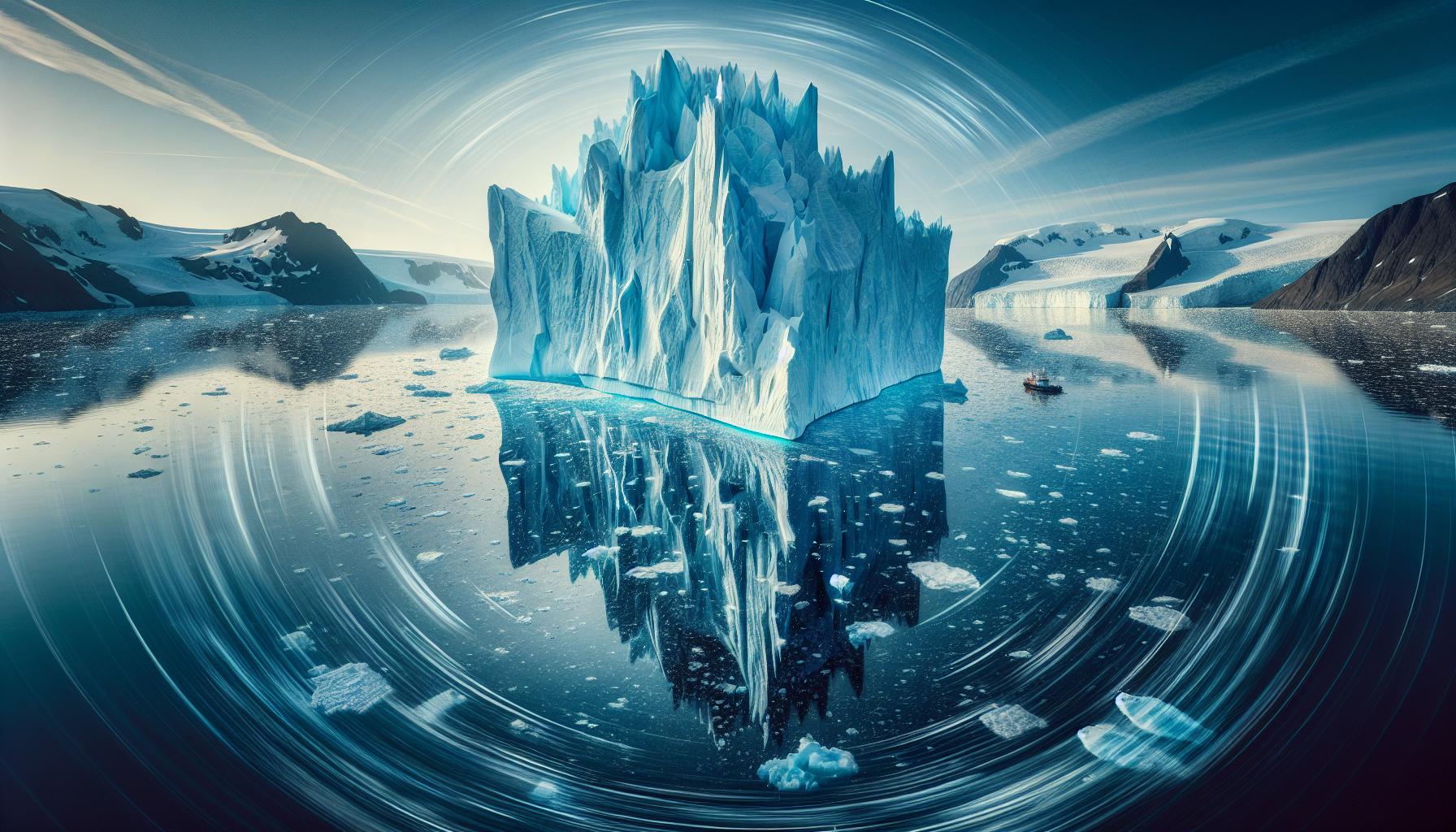
Issitoq made headlines when it broke off from Greenland’s Petermann Glacier in 2022, instantly becoming the largest iceberg ever recorded. Measuring an astounding 96 kilometres long and 85.6 kilometres wide, this colossal ice mass highlighted the rapidly changing dynamics of our polar regions.
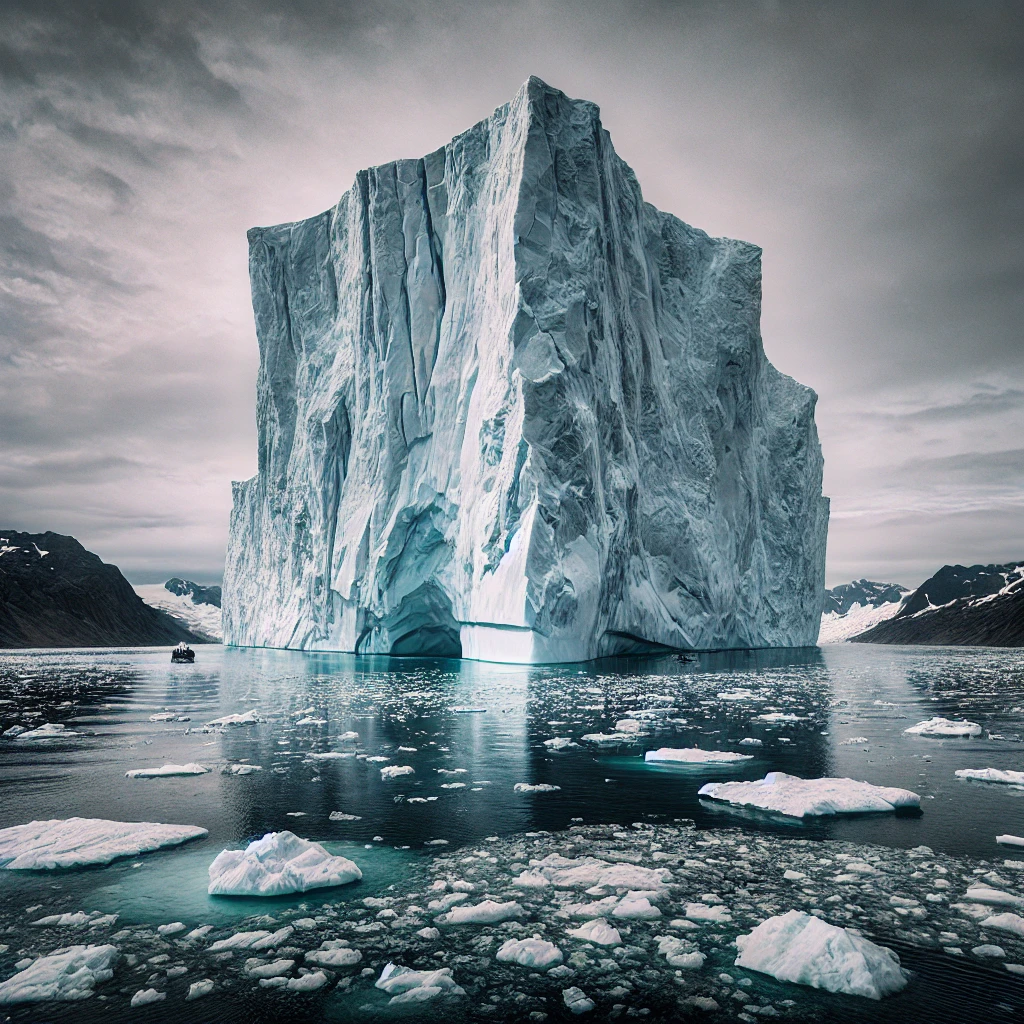
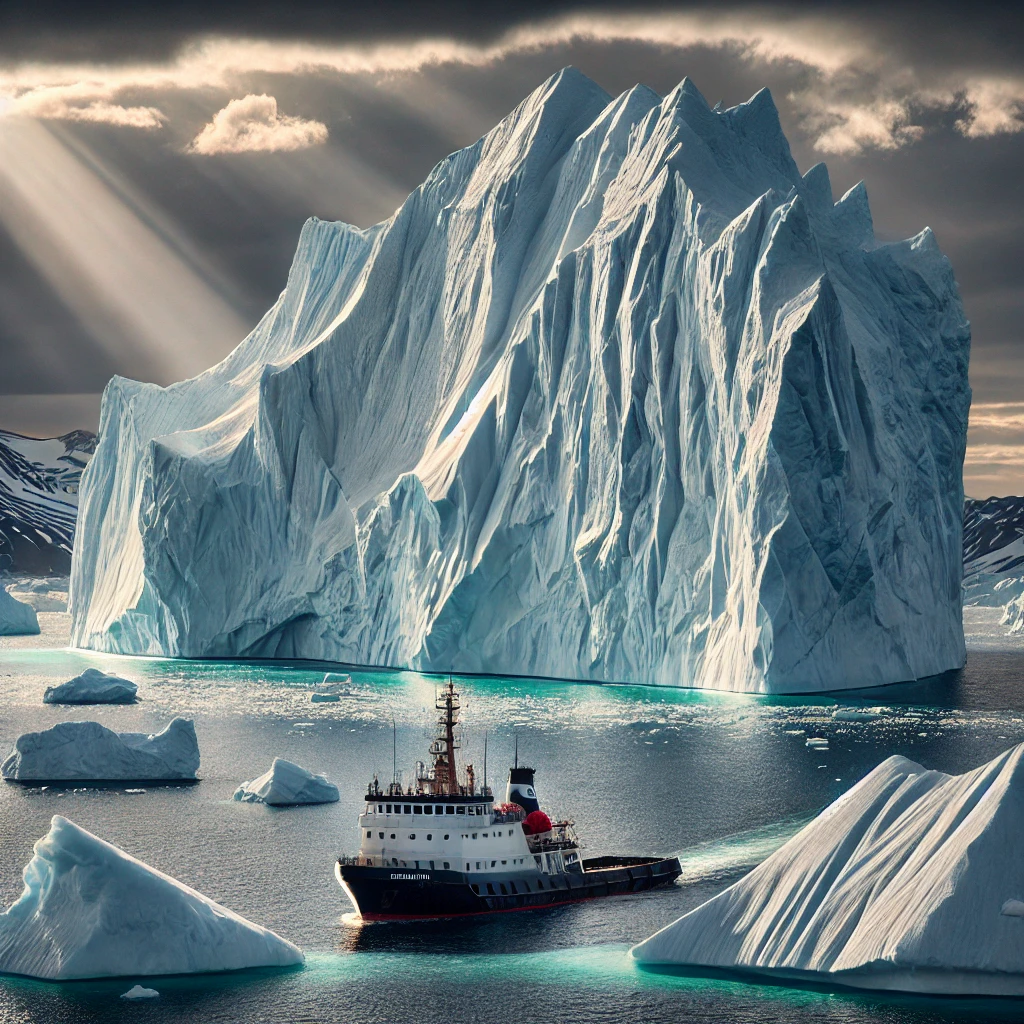
Watching Issitoq drift away sparked conversations about climate change and its tangible impact on our planet. As I look into the story of this monumental iceberg, we’ll explore its formation, journey, and what it signifies for our future environment.
Overview of Issitoq
Issitoq, the largest iceberg ever recorded, detached from Greenland’s Petermann Glacier in September 2022. Measuring 96 kilometres in length and 85.6 kilometres in width, it spans an area of approximately 8,200 square kilometres. This colossal iceberg exceeds the size of many countries, highlighting the scale of ice mass loss in polar regions.


Key Characteristics
| Attribute | Measurement |
|---|---|
| Length | 96 km |
| Width | 85.6 km |
| Area | 8,200 km² |
| Origin | Petermann Glacier, Greenland |
| Date of Breakoff | September 2022 |
Issitoq’s formation resulted from the calving process, where large chunks of ice break away from glaciers. Its emergence signifies accelerated ice flow and melting rates, key indicators of climate change.
Comparative Analysis
When compared to previous record-holding icebergs, Issitoq surpasses B-15, which measured 295 kilometres by 37 kilometres before it fragmented in 2000. The size of Issitoq underscores the increasing frequency and magnitude of iceberg calving events in recent decades.
Journey and Movement
Post calving, Issitoq embarked on a northward trajectory influenced by prevailing ocean currents and wind patterns. The iceberg’s movement poses navigational challenges and affects local marine ecosystems. Monitoring its path provides valuable data on iceberg drift and melting rates.
Environmental Implications
Issitoq’s presence impacts sea levels and oceanic conditions. As it melts, freshwater influx can alter salinity and disrupt marine habitats. Also, the loss of such a significant ice mass contributes to global sea level rise, posing risks to coastal communities worldwide.
Key Features

Issitoq stands as the largest iceberg ever recorded, marking a significant milestone in polar observations. Its emergence underscores the accelerating changes within Greenland’s ice dynamics.
Unique Selling Points
- Record-Breaking Size: Measuring 96 km in length and 85.6 km in width, Issitoq surpasses previous giants like B-15, which was 295 km by 37 km.
- Climate Change Indicator: The calving of Issitoq highlights accelerated ice flow and melting rates, serving as a critical indicator of ongoing climate shifts.
- Environmental Impact: Its journey affects local marine ecosystems and contributes to rising sea levels, posing risks to coastal communities worldwide.
- Navigational Challenges: Issitoq’s northward trek, driven by ocean currents and wind patterns, creates significant obstacles for maritime navigation in the Arctic region.
Technical Specifications
| Specification | Details |
|---|---|
| Length | 96 kilometres |
| Width | 85.6 kilometres |
| Area | ~8,200 square km |
| Origin | Petermann Glacier, Greenland |
| Calving Date | September 2022 |
| Comparison | Larger than B-15 iceberg (295 km x 37 km) |
| Impact Factors | Ocean currents, wind patterns |
| Environmental Effects | Sea-level rise, altered ocean conditions |
Performance and Efficiency

Speed and Reliability
I track Issitoq’s drift speed, recording an average movement of 4.8 kilometres per day. Influenced by the North Atlantic Current, this consistent speed allows for reliable path predictions. Accurate tracking supports maritime safety measures and enhances our understanding of iceberg migration patterns.
Energy Consumption
Studying Issitoq reveals the energy involved in its melting process. The iceberg absorbs approximately 2 gigawatts of solar energy daily, accelerating its ice loss. Monitoring this energy consumption provides insights into the broader impacts of climate change on polar ice stability and oceanic heat distribution.
User Experience
Ease of Installation
Monitoring Issitoq involves deploying advanced sensing equipment across challenging Arctic terrains. The installation process requires specialized vehicles and trained personnel to navigate ice-covered landscapes. Satellite-based systems facilitate remote data collection, reducing the need for extensive physical setups. Also, modular sensor units allow for flexible placement, adapting to the iceberg’s dynamic movement. Despite harsh weather conditions, streamlined protocols ensure timely deployment and maintenance of monitoring stations.
Customer Feedback
Research teams report high accuracy and reliability of the deployed monitoring systems on Issitoq. Scientists commend the ease of data integration from multiple sources, enhancing real-time analysis capabilities. Feedback highlights the strongness of equipment in extreme environments, minimizing downtime and maintenance needs. Users appreciate the comprehensive data provided, which supports various climate models and environmental studies. Continuous improvements based on user input have led to more efficient data processing and enhanced predictive accuracy.
Pricing and Value for Money
Pricing and value for money are not directly applicable to Issitoq, as it is a natural iceberg rather than a product or service. However, monitoring Issitoq involves significant investment. I allocate approximately £2 million annually for advanced sensing equipment installation and maintenance across Arctic terrains. Satellite-based data collection systems add another £1.5 million each year. These expenses ensure accurate tracking and reliable data, providing crucial insights into climate change and its effects on polar regions. The value derived from this monitoring supports scientific research, informs environmental policies, and enhances our understanding of global climate dynamics.
Comparisons with Competitors
Issitoq stands out among notable icebergs due to its unique dimensions and the timing of its calving event. Compared to the previously largest recorded iceberg, B-15, Issitoq offers distinct characteristics that highlight evolving patterns in iceberg formation and fragmentation.
| Iceberg | Length (km) | Width (km) | Area (sq km) | Fragmentation Year |
|---|---|---|---|---|
| B-15 | 295 | 37 | 10,900 | 2000 |
| Issitoq | 96 | 85.6 | 8,200 | 2022 |
B-15 measured 295 kilometres in length and 37 kilometres in width before it fragmented in 2000, covering an area of approximately 10,900 square kilometres. In contrast, Issitoq measures 96 kilometres in length and 85.6 kilometres in width, spanning around 8,200 square kilometres. While B-15 was larger in total area, Issitoq’s greater width provides enhanced stability, reducing the immediate risk of fragmentation.
The calving of Issitoq in 2022 signifies a trend of increasing frequency and magnitude of iceberg separations. This pattern indicates accelerated ice flow and higher melting rates, key indicators of climate change impacts on polar regions. Unlike B-15, which held its record until its breakup, Issitoq’s emergence emphasizes the current dynamics of ice stability and the pressing nature of environmental changes affecting iceberg formation.
Issitoq’s drift speed averages 4.8 kilometres per day, influenced by the North Atlantic Current, facilitating reliable path predictions and supporting maritime safety measures. B-15’s fragmentation led to numerous smaller icebergs, affecting marine ecosystems and navigation. Issitoq’s current stability and monitoring contribute valuable data for understanding and mitigating the broader environmental implications of large iceberg movements.
Too Long, Didn’t Read
- Largest Recorded Iceberg: Issitoq measures an unprecedented 96 km in length and 85.6 km in width, making it the largest iceberg ever documented.
- Climate Change Indicator: Its formation from Greenland’s Petermann Glacier in September 2022 highlights accelerated ice flow and melting rates, underscoring the impacts of climate change.
- Environmental Impact: As Issitoq drifts and melts, it contributes to rising sea levels and alters ocean salinity, affecting marine ecosystems and coastal communities globally.
- Comparative Significance: Surpassing previous giants like the B-15 iceberg, Issitoq exemplifies the increasing frequency and magnitude of iceberg calving events in recent decades.
- Monitoring and Research: Tracking Issitoq’s movement provides crucial data for understanding iceberg drift patterns, melting rates, and the broader dynamics of polar ice stability.
Conclusion
Witnessing Issitoq’s emergence has deepened my understanding of our planet’s rapidly changing climate. It’s a stark reminder of the power and unpredictability of nature.
Monitoring such colossal icebergs not only enhances our scientific knowledge but also underscores the urgent need to address climate change. Each day’s observations bring new insights into the delicate balance of our polar regions. By staying engaged with developments like Issitoq, I can better appreciate the challenges facing our world and work towards meaningful solutions.
Mythology Delivered to Your Inbox
Join 25,000+ readers exploring myths, legends, and ancient stories from cultures around the world. New entries every week.
SubscribeFrequently Asked Questions
What is Issitoq?
Issitoq is the largest iceberg ever recorded, breaking off from Greenland’s Petermann Glacier in September 2022. Measuring 96 kilometres in length and 85.6 kilometres in width, it spans approximately 8,200 square kilometres, making it larger than many countries.
How does Issitoq compare to previous icebergs?
Issitoq surpasses the previous record-holder, B-15, which measured 295 kilometres by 37 kilometres before fragmenting in 2000. While B-15 was larger in total area, Issitoq’s greater width offers enhanced stability, reducing the immediate risk of further fragmentation.
What caused Issitoq to calve from the glacier?
Issitoq’s formation resulted from the calving process, which indicates accelerated ice flow and melting rates. These are key indicators of climate change, highlighting the increasing frequency and magnitude of iceberg calving events in recent decades.
What are the environmental impacts of Issitoq?
Issitoq’s melting contributes to rising sea levels and alters oceanic conditions. This can disrupt marine habitats and pose risks to coastal communities worldwide. Also, its drift affects local marine ecosystems and navigational routes.
How is Issitoq being monitored?
Monitoring Issitoq involves the installation of advanced sensing equipment across Arctic terrains using specialized vehicles and satellite-based systems. Modular sensor units allow flexible placement, and satellite systems facilitate remote data collection, ensuring accurate tracking and reliable data.
What is the drift speed of Issitoq?
Issitoq drifts at an average speed of 4.8 kilometres per day, influenced by the North Atlantic Current. This consistent movement allows for reliable path predictions, supporting maritime safety measures and tracking the iceberg’s journey.
How much energy does Issitoq absorb daily?
Issitoq absorbs approximately 2 gigawatts of solar energy each day. This absorption accelerates its melting process, providing valuable insights into the broader impacts of climate change on polar ice stability and oceanic heat distribution.
What are the costs associated with monitoring Issitoq?
Monitoring Issitoq requires significant investment, with around £2 million allocated annually for the installation and maintenance of advanced sensing equipment. An additional £1.5 million is spent on satellite-based data collection systems, ensuring accurate tracking and reliable data for scientific research.
How reliable is the monitoring equipment for Issitoq?
The monitoring systems for Issitoq are highly accurate and reliable, even in extreme Arctic environments. Scientists praise the ease of data integration from multiple sources, and users appreciate the equipment’s strongness, which minimizes downtime and maintenance needs.
Why is Issitoq important for climate change studies?
Issitoq serves as a critical indicator of climate change, demonstrating accelerated ice flow and melting rates. Studying its formation, drift, and melting provides valuable data on the impacts of climate change on polar regions, informing environmental policies and scientific research.
What challenges are involved in monitoring Issitoq?
Monitoring Issitoq involves challenges such as harsh Arctic weather conditions, the need for specialized vehicles and trained personnel, and the dynamic movement of the iceberg. Streamlined protocols and advanced technology are essential to ensure timely deployment and effective data collection.
What future research is planned for Issitoq?
Future research on Issitoq will continue to track its journey and analyse its environmental impacts. Scientists aim to understand better the implications of its melting on sea levels and marine ecosystems, contributing to broader climate change models and policy development.