Too Long, Didn’t Read
- Boomerangs hold a vital place in Aboriginal history, reflecting thousands of years of cultural development and ingenuity.
- Boomerangs embody the enduring strength and resilience of Aboriginal culture.
- Boomerangs serve not only as tools but also as profound symbols that convey the deep-rooted values and beliefs of Aboriginal communities.
- Tourism benefits from the legacy of boomerangs, attracting visitors interested in Aboriginal culture.
Boomerangs hold a special place in Aboriginal folklore, far beyond their reputation as hunting tools. I’ve always been fascinated by how these iconic artifacts weave into the rich history of Indigenous stories and traditions. Exploring their significance reveals a deeper connection between the land, the people, and their cultural heritage.
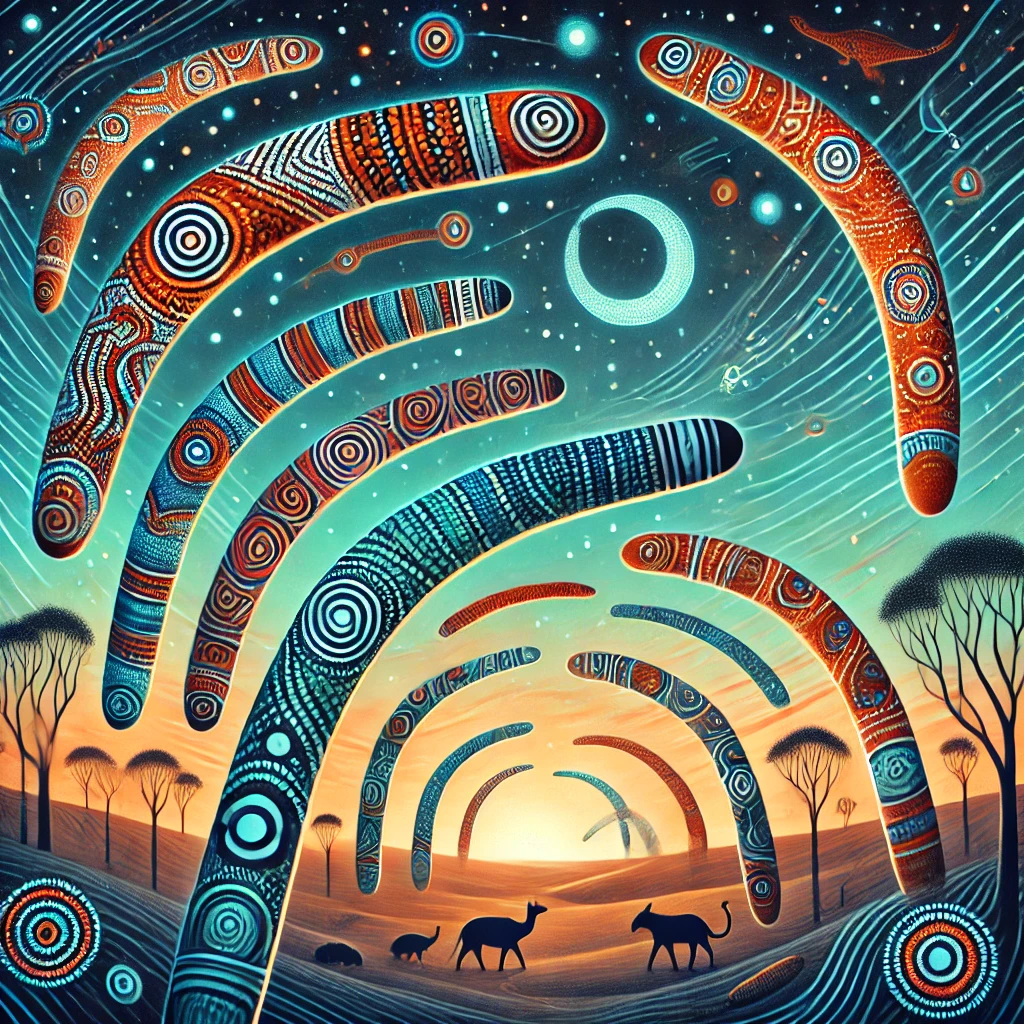

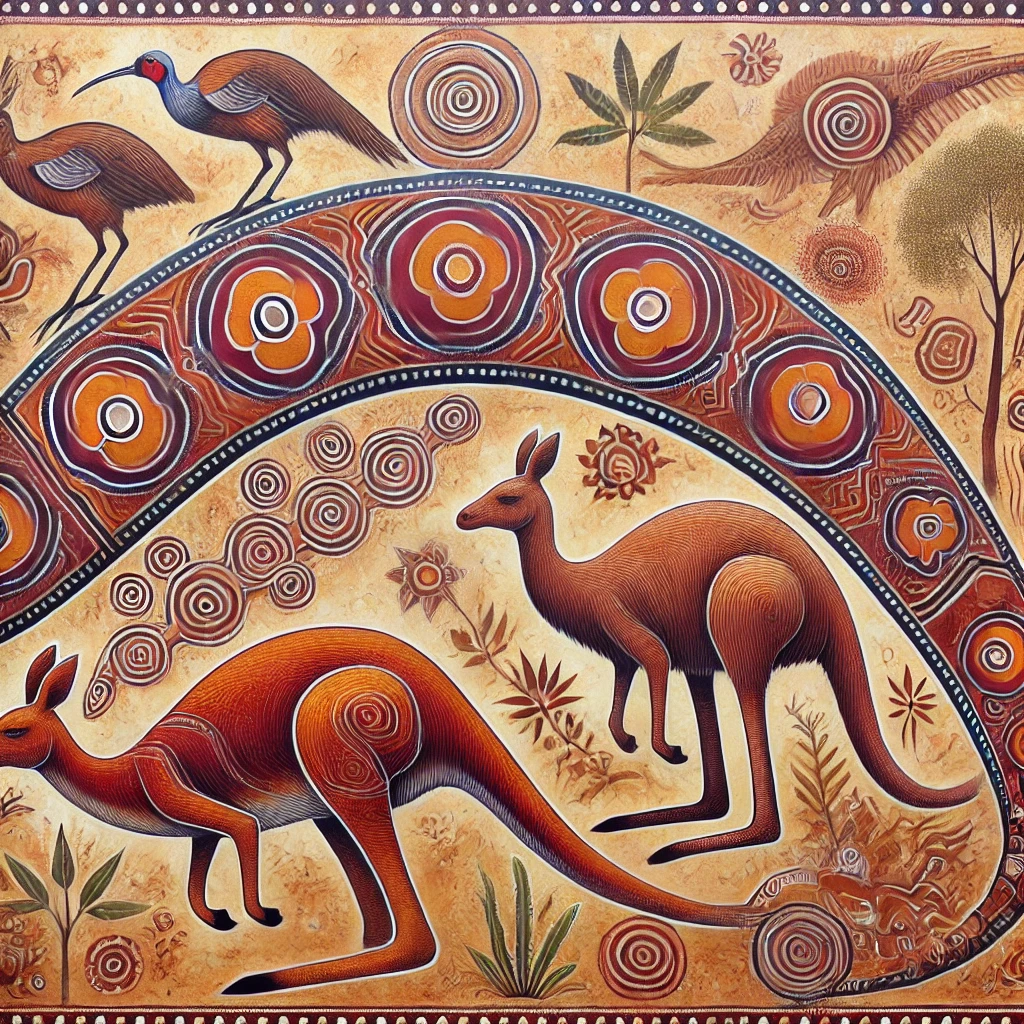
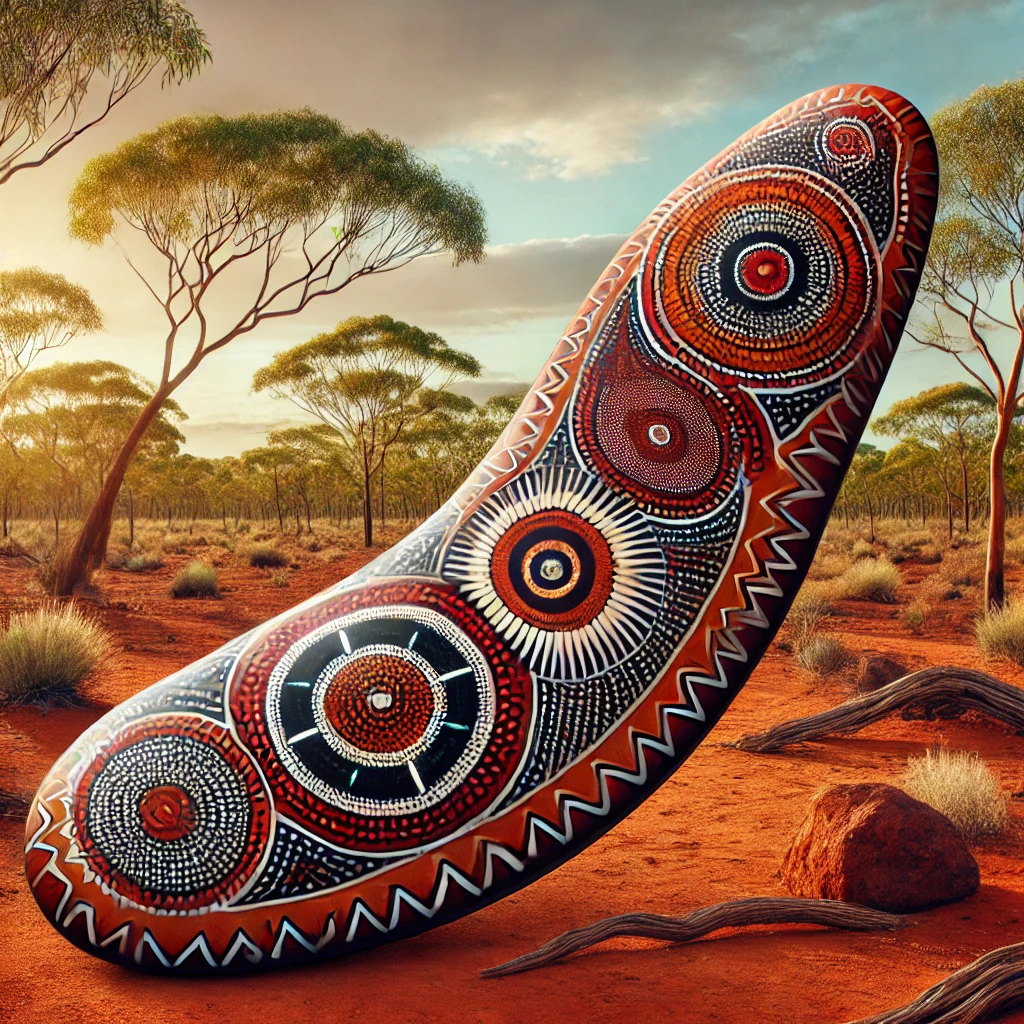
Looking into Aboriginal legends, boomerangs emerge not just as symbols of skill and ingenuity but also as carriers of spiritual meaning. They feature prominently in tales that teach lessons, preserve history, and celebrate the natural world. Understanding the role of boomerangs in these narratives offers a unique perspective on the enduring legacy of Aboriginal cultures.
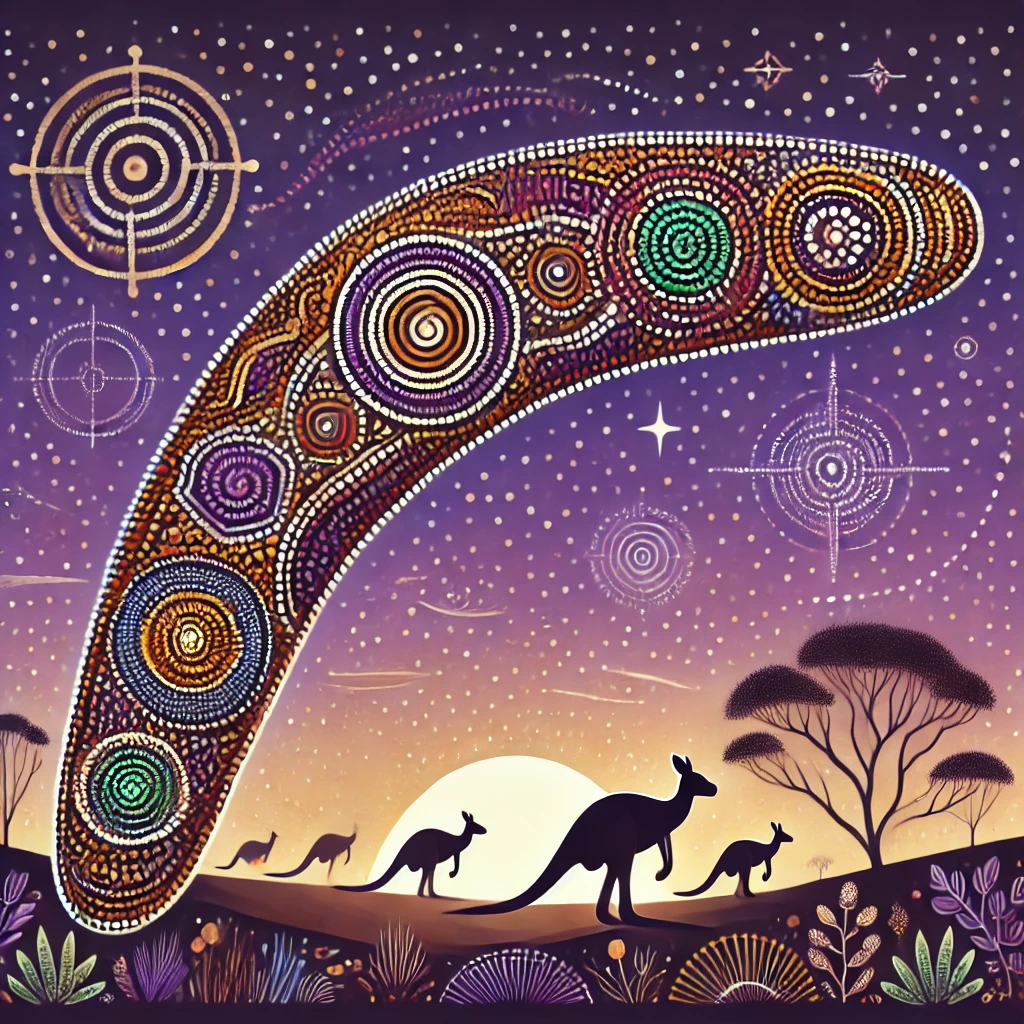
Definition And Types of Boomerangs
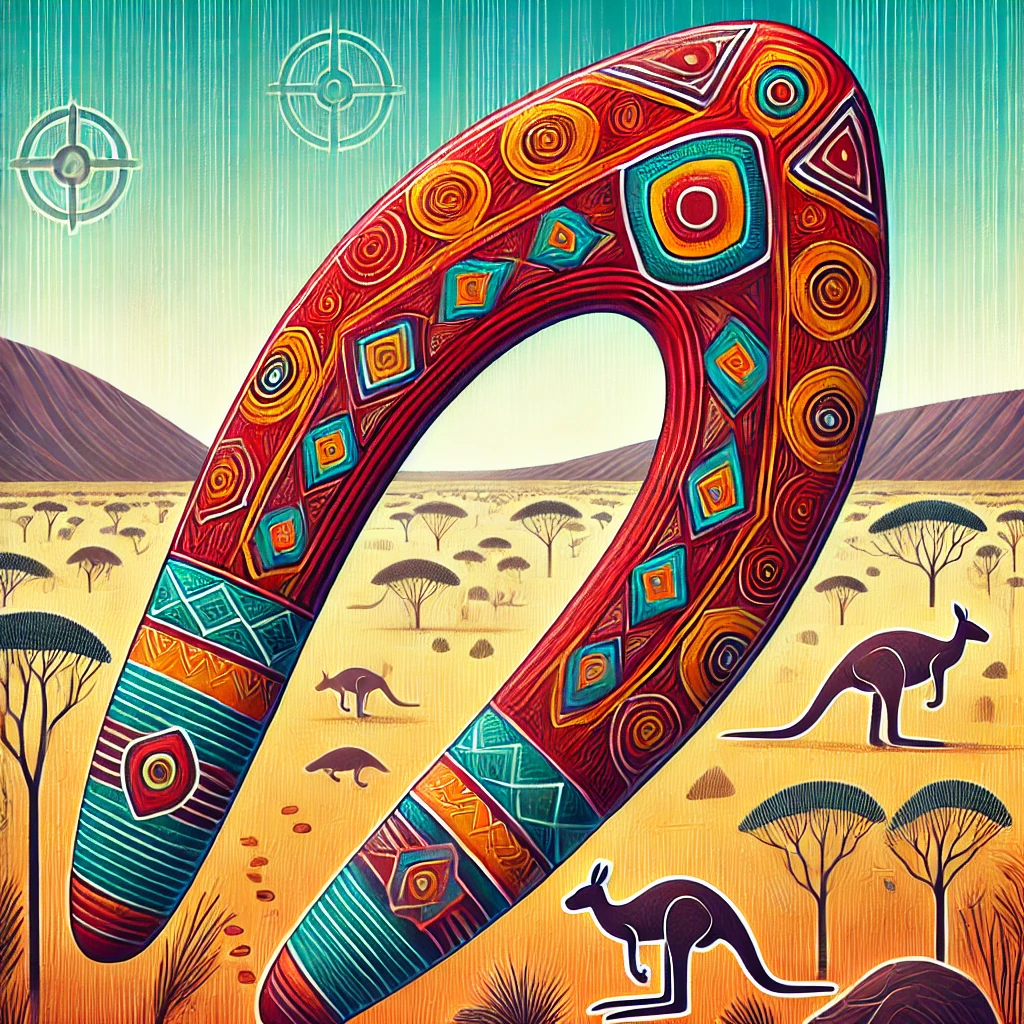
I understand boomerangs as curved wooden objects integral to Australian Aboriginal culture for thousands of years. Crafted from a single piece of wood, they are heated and bent to achieve specific curves and longitudinal twists. Boomerangs serve various purposes, including hunting, warfare, digging, cutting, and making music.
Returning Boomerangs
I identify returning boomerangs as those designed to return to the thrower after being thrown. They are typically V-shaped, lightweight, and measure between 16 to 20 inches (35 to 45 centimetres) in length. Returning boomerangs are primarily used as toys for young Aboriginal boys to practise their throwing skills or in sporting events. Also, they aid in hunting birds by hovering over them to drive the birds into nets.
Historical Significance
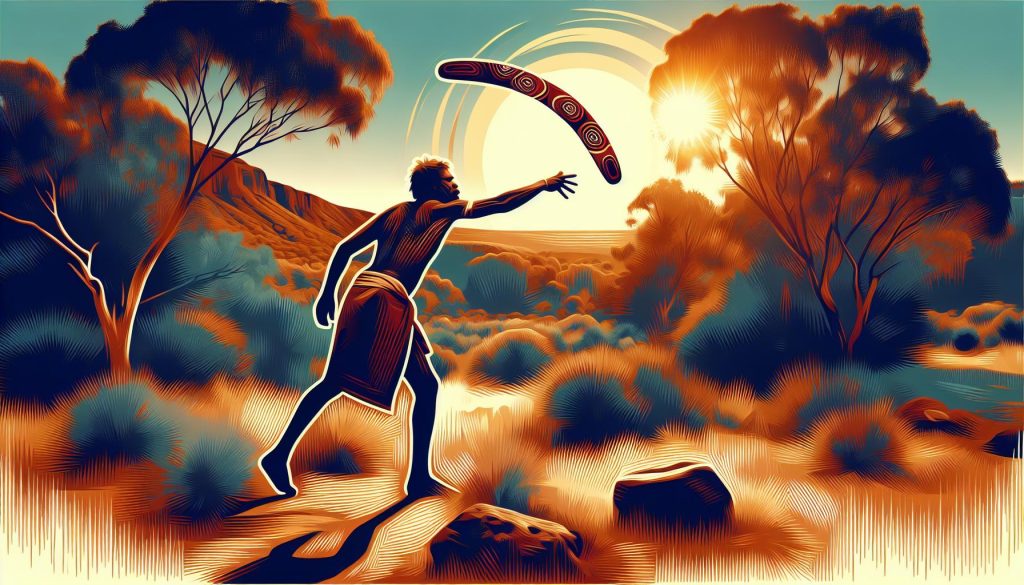
Boomerangs hold a vital place in Aboriginal history, reflecting thousands of years of cultural development and ingenuity. Their enduring presence underscores the deep connection between Indigenous Australians and their environment.
Origin in Aboriginal Culture
The boomerang originates from Aboriginal folklore and Dreamtime stories, embedding it deeply within Indigenous traditions. Archaeological evidence from sites like Wyrie Swamp in South Australia indicates that boomerangs have been crafted and used for at least 10,000 years. Also, some of the oldest rock art in the world, including depictions of boomerangs in the Kimberley region, dates back up to 50,000 years. These artifacts highlight the boomerang’s significance in cultural continuity and spiritual narratives across different Aboriginal communities.
Traditional Uses
Traditionally, boomerangs served multiple purposes beyond hunting. They were crafted from various materials such as wood, bone, and stone, demonstrating the resourcefulness of Aboriginal peoples. Boomerangs were used in hunting and warfare, aiding in the capture of birds and driving enemies. They also played a role in daily tasks like digging and cutting. Also, certain boomerangs were designed for musical purposes, showcasing their versatility. The returning boomerang, typically V-shaped and measuring between 35 to 45 centimetres, was primarily used as a training tool for young boys to develop their throwing skills and in sporting events to build community engagement.
Symbolism in Folklore
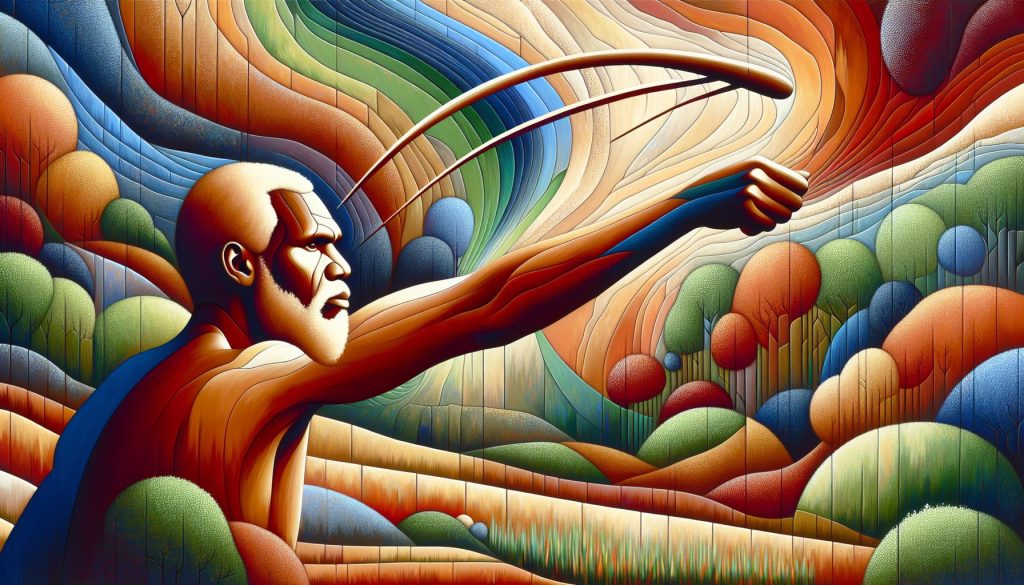
Boomerangs embody the enduring strength and resilience of Aboriginal culture. They signify Aboriginal people’s continuous presence on the Australian continent, tracing back at least 10,000 years. This longevity highlights their ability to adapt and thrive across millennia.
Central to Dreamtime stories, boomerangs reveal the sacred and powerful narratives of Aboriginal traditions. For instance, the Rainbow Serpent gifting the boomerang underscores its spiritual importance and connection to the natural world. These stories preserve cultural knowledge and impart essential life lessons.
The boomerang’s shape and flight pattern reflect the circular nature of life, death, and rebirth. Its motion symbolizes harmony with nature, illustrating the balance Aboriginal people maintain with their environment. This cyclical representation reinforces the community’s respect for the natural order and their role within it.
| Symbolism Aspect | Description |
|---|---|
| Cultural Endurance | Represents Aboriginal people’s 10,000-year presence and resilience on the Australian continent. |
| Dreamtime Connection | Features in sacred stories, such as the Rainbow Serpent’s gift, highlighting its spiritual significance. |
| Cycle of Life | Shape and motion symbolize the circular nature of existence and harmony with nature. |
Boomerangs serve not only as tools but also as profound symbols that convey the deep-rooted values and beliefs of Aboriginal communities.
Cultural Impact and Legacy
Boomerangs significantly influence contemporary Aboriginal identity, symbolising resilience and cultural pride. They feature prominently in Aboriginal art, appearing in paintings, sculptures, and ceremonial objects that convey traditional stories and values. Educational programmes incorporate boomerangs to teach Indigenous history and craftsmanship, building appreciation among younger generations and non-Indigenous communities.
Tourism benefits from the legacy of boomerangs, attracting visitors interested in Aboriginal culture. Demonstrations and workshops allow tourists to experience the art of boomerang crafting and throwing, enhancing cultural exchange and economic support for Indigenous communities.
In popular culture, boomerangs represent Australian heritage globally. They appear in media, advertising, and sporting events, promoting awareness of Aboriginal traditions. This visibility reinforces the boomerang’s status as a national symbol, bridging ancient practices with modern recognition.
Preservation initiatives ensure the traditional knowledge of boomerang making remains intact. Elders pass down techniques and meanings to apprentices, maintaining the integrity of cultural practices. Museums and cultural centres display boomerangs, documenting their historical and cultural significance for future generations.
Overall, the cultural impact and legacy of boomerangs extend beyond their utilitarian origins, embodying the enduring spirit and identity of Aboriginal peoples.
Modern Interpretations
Today, boomerangs symbolise more than their traditional roles. They represent Aboriginal resilience and cultural pride. Museums display boomerangs in exhibitions, showcasing their historical and artistic value. Educational programmes incorporate boomerangs to teach Indigenous craftsmanship and history, building understanding among diverse audiences.
In contemporary Aboriginal art, boomerangs feature prominently in paintings and sculptures. Artists use them to convey traditional stories and contemporary experiences, bridging past and present. Sporting events also highlight boomerangs, celebrating their heritage through competitions and demonstrations.
Tourism benefits from the allure of boomerangs, attracting visitors to cultural centres offering workshops and live demonstrations. These activities promote cultural exchange and provide economic support to Indigenous communities. Also, boomerangs appear in modern media and advertising, reinforcing their status as national symbols and enhancing global recognition of Aboriginal culture.
Preservation initiatives ensure the traditional knowledge of boomerang-making persists. Elders pass down crafting techniques to younger generations, maintaining the skill and significance of these artefacts. Digital archives and cultural centres document boomerangs’ history, ensuring their stories remain accessible for future generations.
| Aspect | Modern Interpretation |
|---|---|
| Cultural Representation | Symbol of resilience and pride in exhibitions |
| Education | Teaching Indigenous craftsmanship and history |
| Art | Featured in contemporary paintings and sculptures |
| Sporting Events | Celebrated through competitions and demonstrations |
| Tourism | Attracts visitors to cultural centres and workshops |
| Media Presence | Appears in advertising and modern media as national symbols |
| Preservation | Elders teach crafting techniques to younger generations |
These modern interpretations ensure that boomerangs continue to embody the enduring spirit and identity of Aboriginal peoples, bridging traditional significance with contemporary relevance.
Too Long, Didn’t Read
- Boomerangs in Aboriginal folklore transcend their role as hunting tools, embodying deep cultural and spiritual meanings.
- With origins over 10,000 years ago, boomerangs are a vital part of Aboriginal heritage and identity.
- Traditional boomerangs were versatile, used for hunting, warfare, daily tasks, and musical purposes.
- In folklore, boomerangs symbolize resilience, spiritual connections, and the cyclical nature of life.
- Today, boomerangs influence Aboriginal art, education, tourism, and the preservation of cultural traditions.