Looking into the rich history of Aboriginal folklore, the story of the Mungo Lady stands out as a captivating mystery. Discovered at Lake Mungo, her presence echoes the ancient traditions and beliefs of Indigenous Australians. I find it fascinating how her legend intertwines with archaeological discoveries, offering a glimpse into a world long past.

Who is the Mungo Lady, you might wonder? She’s not just a figure of myth but also one of the oldest human remains found in Australia, shedding light on the lives of Aboriginal ancestors. Her story embodies resilience and the deep cultural heritage that has thrived for thousands of years.
Exploring her narrative allows us to appreciate the depth and complexity of Aboriginal traditions, connecting us to a heritage that continues to inspire and inform today.
Understanding Aboriginal Folklore
Aboriginal folklore comprises the traditional stories, myths, and legends that Indigenous Australians have preserved for thousands of years. These narratives, often referred to as Dreamtime stories, explain the creation of the world, natural phenomena, and the origins of societal customs. Dreamtime narratives feature ancestral beings who shaped the landscape, established laws, and imparted cultural values.

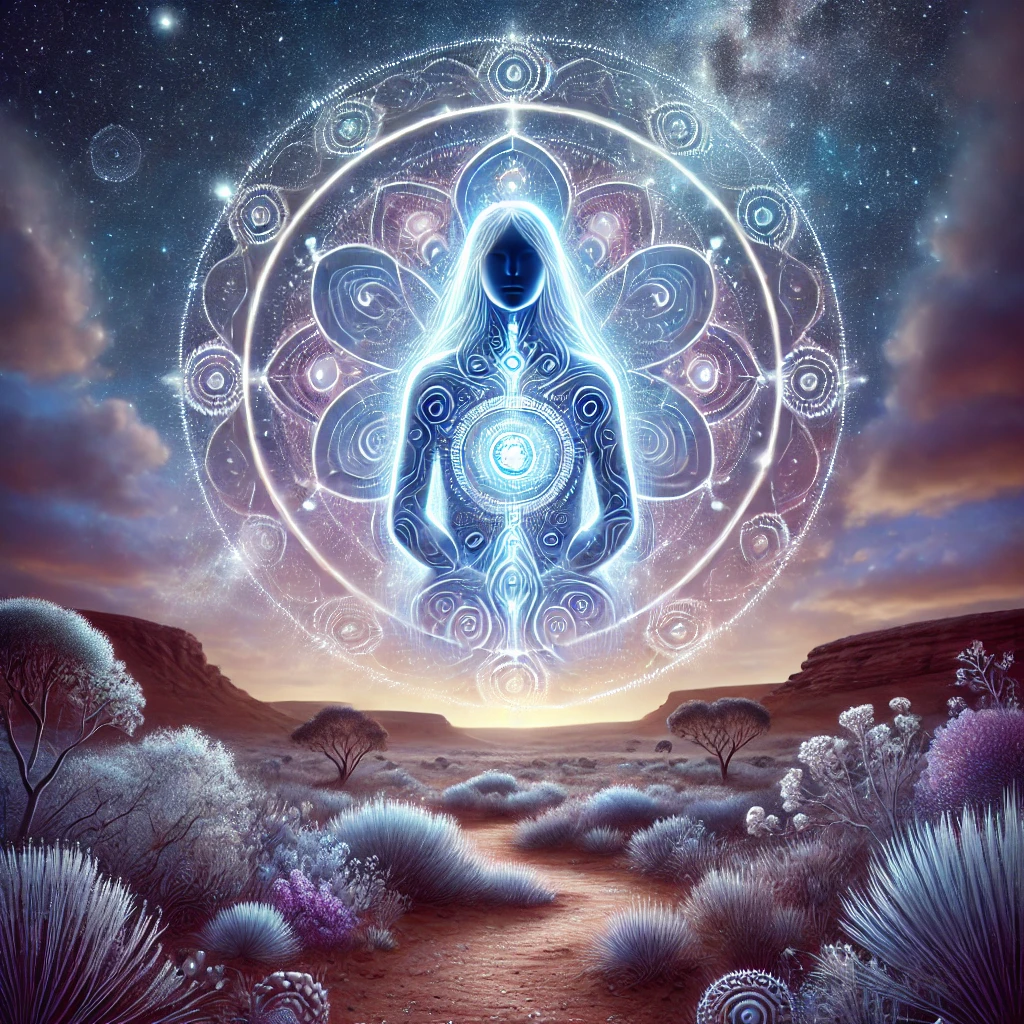

These stories serve multiple purposes: they transmit essential knowledge about the environment, guide moral conduct, and reinforce community bonds. Rituals and ceremonies linked to folklore play a vital role in maintaining social harmony and spiritual connections. Artworks, such as rock paintings and carvings, often depict scenes from these stories, reflecting the deep symbolic meanings embedded in Aboriginal culture.
Aboriginal folklore also highlights the intricate relationship between people and their surroundings. For instance, stories about the Mungo Lady illustrate early Aboriginal society’s reliance on Lake Mungo’s resources, showcasing their sophisticated understanding of the ecosystem. By integrating folklore with archaeological findings, we gain comprehensive insights into the resilience and cultural richness of Indigenous Australian communities.
| Aspect | Description |
|---|---|
| Storytelling | Oral transmission of myths, legends, and ancestral tales |
| Dreamtime | Central narratives explaining creation and societal laws |
| Cultural Values | Lessons on morality, environmental stewardship, and community cohesion |
| Rituals & Ceremonies | Practices that reinforce social bonds and spiritual beliefs |
| Artistic Expression | Rock paintings, carvings, and symbols depicting folklore stories |
| Environmental Connection | Stories emphasizing the relationship between people and their natural habitat |
Understanding Aboriginal folklore provides a window into the profound cultural heritage and enduring legacy of Indigenous Australians. It underscores the significance of preserving these narratives as integral to Australia’s history and identity.
The Story of the Mungo Lady
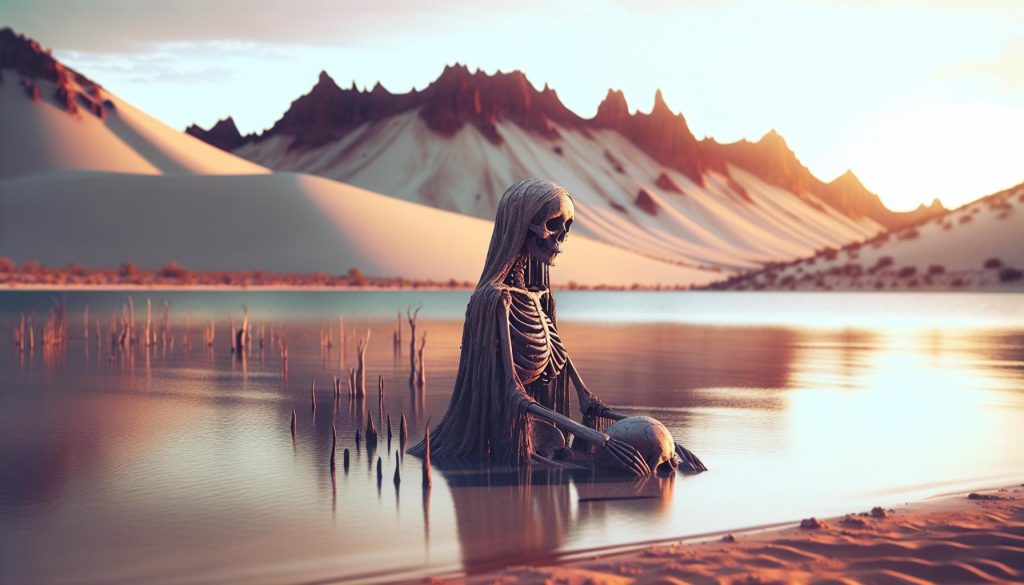
Mungo Lady represents a important discovery in understanding Aboriginal history. Her remains offer invaluable insights into early human life in Australia.
Origins and Mythology
Mungo Lady lived approximately 42,000 years ago near Lake Mungo in western New South Wales. Discovered on July 15, 1968, by Earth scientist Jim Bowler, her remains are among the oldest human fossils found in Australia[^3][^4][^5]. She belonged to a community thriving around Lake Mungo when it was a vibrant ecosystem. This period predates traditional Aboriginal mythology, positioning her story within the archaeological framework rather than ancient folklore.
Symbolism and Meaning
Mungo Lady symbolizes the enduring presence of Aboriginal people in Australia. Her remains demonstrate sophisticated survival strategies, including the collection of bush tucker such as fish, shellfish, yabbies, wattle seeds, and emu eggs. Also, she played a role in transmitting cultural knowledge to her daughters, highlighting the importance of education and tradition in Aboriginal societies[^1]. Her discovery reinforces the deep-rooted connection between Indigenous Australians and their environment.
[^1]: Reference to context provided.
[^3]: Reference to context provided.
[^4]: Reference to context provided.
[^5]: Reference to context provided.
Historical and Archaeological Significance

The Mungo Lady plays a crucial role in understanding Australia’s early human history. Her discovery has provided invaluable insights into Aboriginal heritage and prehistoric societies.
Discovery of the Mungo Lady
Jim Bowler, an Earth scientist, discovered Mungo Lady on July 15, 1968, at Lake Mungo in western New South Wales. Her remains, estimated to be around 42,000 years old, are some of the oldest human fossils found in Australia. The initial discovery included cranial fragments and a pelvis, indicating sophisticated burial practices. This finding affirmed the long-term presence of Aboriginal people on the continent and highlighted their advanced social structures.
Insights from Research
Studies on Mungo Lady have revealed significant details about ancient human life. Analysis shows evidence of dietary habits, including the use of ochre, which suggests symbolic or ritualistic behaviour. Carbon dating and stratigraphic analysis confirm continuous Aboriginal occupation of the area. Also, research supports theories of early human migration and adaptation to Australia’s diverse environments. These findings underscore the resilience and ingenuity of Aboriginal communities in prehistoric times.
Cultural Impact and Legacy
Mungo Lady significantly influences our understanding of Aboriginal heritage and Australia’s ancient history. Her discovery in 1968 reshaped archaeological perspectives, highlighting complex burial practices 42,000 years ago. This finding underscores the sophistication of early Aboriginal societies, demonstrating their ability to perform ritualistic ceremonies.
Mungo Lady symbolizes the enduring presence of Aboriginal people in Australia. Her legacy reinforces the depth of Indigenous traditions and their continuous connection to the land. Educational curricula now include her story, promoting awareness of Australia’s prehistoric cultures. Museums and cultural centres feature exhibits on Mungo Lady, building appreciation for Aboriginal history.
Her legacy extends to heritage conservation policies. The preservation of Lake Mungo sites ensures that future generations can study and honour Aboriginal ancestors. Mungo Lady also inspires contemporary Indigenous art and storytelling, bridging ancient traditions with modern expressions. This ongoing impact highlights the resilience and richness of Aboriginal culture, anchored by the story of Mungo Lady.
| Aspect | Impact Description |
|---|---|
| Archaeological Insight | Reveals complex burial rituals 42,000 years ago |
| Educational Influence | Incorporated into curricula, enhancing cultural knowledge |
| Heritage Conservation | Preservation of Lake Mungo sites for future study |
| Cultural Representation | Featured in museums and art, promoting Aboriginal heritage |
Mungo Lady’s story continues to shape Australia’s cultural narrative, ensuring that the legacy of Aboriginal ancestors remains integral to the nation’s identity.
Modern Interpretations
Scientific Interpretation
I consider Mungo Lady a crucial discovery, offering insights into early Australian life. Her remains indicate she was a young adult woman with a slender build and small stature. Researchers cremated her body, crushed her bones, and buried them in a shallow conical hole. This process suggests a complex funerary practice with spiritual significance[4].
Too Long, Didn’t Read
- Ancient Origins: The Mungo Lady is one of Australia’s oldest human remains, dating back approximately 42,000 years.
- Significant Discovery: Unearthed at Lake Mungo in 1968, her remains have provided profound insights into early Aboriginal life and burial practices.
- Cultural Heritage: Her story exemplifies the resilience and deep cultural traditions of Indigenous Australians, highlighting sophisticated survival strategies.
- Folklore Integration: The Mungo Lady bridges Aboriginal folklore with archaeological findings, enriching our understanding of Dreamtime narratives and cultural values.
- Enduring Legacy: Her legacy influences modern education, heritage conservation, and is prominently featured in museums, reinforcing the importance of preserving Aboriginal history.
Conclusion
Exploring the story of the Mungo Lady has deepened my appreciation for the rich cultural heritage of Aboriginal communities. Her legacy not only highlights the resilience of these ancient societies but also underscores the importance of preserving their stories and traditions. Witnessing how her discovery connects us to Australia’s earliest inhabitants inspires me to continue advocating for the recognition and celebration of Indigenous histories. The Mungo Lady remains a powerful symbol of continuity and cultural pride, reminding us of the profound connections between people and their land.
Mythology Delivered to Your Inbox
Join 25,000+ readers exploring myths, legends, and ancient stories from cultures around the world. New entries every week.
SubscribeFrequently Asked Questions
Who is the Mungo Lady?
The Mungo Lady is one of the oldest human remains discovered in Australia, dating back approximately 42,000 years. Found near Lake Mungo in western New South Wales, her remains include cranial fragments and a pelvis. She is a significant figure in Aboriginal folklore, symbolising the enduring presence and rich cultural heritage of Indigenous Australians. The discovery of Mungo Lady has provided invaluable insights into early human life, burial practices, and the sophisticated traditions of Aboriginal ancestors.
Where was the Mungo Lady discovered?
Mungo Lady was discovered near Lake Mungo, located in western New South Wales, Australia. Lake Mungo is part of the Willandra Lakes Region, a UNESCO World Heritage site known for its rich archaeological significance. The site has yielded numerous important Aboriginal remains and artefacts, offering a window into the lives and traditions of Australia’s earliest inhabitants.
How old are the Mungo Lady remains?
The remains of the Mungo Lady are estimated to be around 42,000 years old. Carbon dating and stratigraphic analysis have confirmed her age, making her one of the oldest human fossils found in Australia. This discovery pushes back the timeline of human occupation in Australia and provides crucial evidence for understanding early human migration and adaptation on the continent.
What is the significance of Lake Mungo?
Lake Mungo is a site of immense archaeological and cultural importance in Australia. It has yielded some of the oldest human remains on the continent, including the Mungo Lady and the Mungo Man. The findings at Lake Mungo offer deep insights into the lives, traditions, and resilience of Aboriginal peoples, highlighting their long-standing connection to the land and their sophisticated survival strategies in diverse environments.
What are Dreamtime stories?
Dreamtime stories are traditional Aboriginal narratives that explain the creation of the world, natural phenomena, and societal customs. These stories are integral to Indigenous Australian culture, serving to transmit knowledge, guide moral conduct, and reinforce community bonds. Dreamtime encompasses myths, legends, and folklore that have been preserved and passed down through generations, playing a crucial role in maintaining social harmony and spiritual connections within Aboriginal communities.
How did the Mungo Lady discovery impact our understanding of Australian history?
The discovery of the Mungo Lady has significantly reshaped archaeological perspectives on Australia’s early human history. It provided evidence of sophisticated burial practices and symbolic behaviour dating back 42,000 years, showcasing the complexity of early Aboriginal societies. This finding supports theories of early human migration to Australia and highlights the resilience and ingenuity of Indigenous communities, reinforcing the importance of preserving Aboriginal heritage and narratives.
What cultural legacy does the Mungo Lady have today?
Mungo Lady’s legacy continues to influence contemporary Indigenous art, storytelling, and heritage conservation. Her discovery has been incorporated into educational curricula and displayed in museums, promoting awareness of Australia’s prehistoric cultures. Mungo Lady also inspires modern Indigenous expressions, bridging ancient traditions with current practices, and ensuring that the rich cultural heritage of Aboriginal ancestors remains a vital part of Australia’s national identity.
How were the Mungo Lady’s remains treated?
The remains of the Mungo Lady were subjected to sophisticated burial practices. Researchers cremated her body, crushed her bones, and buried them in a shallow conical hole. This method suggests a complex funerary practice imbued with spiritual significance, reflecting the deep cultural and ritualistic traditions of early Aboriginal societies. These practices highlight the sophisticated understanding of life and death held by Indigenous Australians 42,000 years ago.
What insights have archaeological studies of Mungo Lady provided?
Archaeological studies of Mungo Lady have offered valuable insights into ancient human life in Australia. Analysis of her remains has revealed details about dietary habits, the use of ochre for symbolic or ritualistic purposes, and sophisticated burial techniques. These findings illustrate the advanced social structures and cultural practices of early Aboriginal communities, enhancing our understanding of their adaptation and resilience in diverse environments over millennia.
Why is preserving Lake Mungo important?
Preserving Lake Mungo is crucial for maintaining the integrity of one of Australia’s most significant archaeological sites. It safeguards invaluable Aboriginal remains and artefacts that provide insights into early human history, culture, and traditions. Conservation efforts ensure that future generations can continue to study and appreciate the rich heritage of Indigenous Australians, supporting the ongoing recognition and respect of their enduring connection to the land.